
Can a Movable Toilet Cut Costs by 40%?
Can a movable toilet really cut costs by 40%? If you manage a remote construction site, a mining operation, or a large outdoor event, you’ve probably asked yourself this question. The answer is a resounding yes—but only if you choose the right system. In this deep dive, we’ll explore how advanced movable toilet solutions from Xiamen Toppla Material Technology Co., Ltd are rewriting the rules of sanitation logistics. Let’s start with a scene that might feel familiar.
Imagine this: You’re three weeks into a 12-month infrastructure project in the Australian outback. The nearest municipal sewer line is 80 kilometers away. You’ve rented a fleet of traditional portable toilets, but they’re already showing signs of wear. The hauling costs are eating your budget. Then comes the environmental inspector’s report—your current setup doesn’t meet new wastewater discharge regulations. You’re facing fines, delays, and angry workers. This isn’t just a hygiene issue; it’s a profitability crisis.
In this blog, I’ll show you how movable toilets—when engineered with high-performance materials and smart design—can reduce total cost of ownership by up to 40%, slash deployment time by half, and eliminate compliance headaches. I’ll back this up with technical data, real-world cases, and answers to the tough questions engineers and procurement managers ask. Let’s dig in.
Pain Point 1: Permitting and Environmental Compliance Nightmares
Regulations around waste disposal are tightening globally. In the EU, the Urban Waste Water Treatment Directive (91/271/EEC) sets strict limits on what can be discharged. In the US, EPA’s Clean Water Act imposes heavy penalties for non-compliance. Traditional portable toilets often use formaldehyde-based deodorizers and hold waste in thin-walled tanks that can leak. If a leak occurs, you’re looking at soil remediation costs that can exceed $50,000 per incident, plus legal fees and reputational damage.
Consider a wind farm project in Scotland. The contractor used standard portable toilets. After a storm, several units tipped over, spilling untreated waste into a nearby stream. The resulting fine was £120,000, and the project was halted for two weeks. The direct cost? Over £250,000 including delays. That’s a pain point no project manager can ignore.
Beyond spills, permitting itself is a bottleneck. Many jurisdictions require detailed waste management plans before breaking ground. If your toilet solution isn’t certified for certain environments—like flood zones or protected wetlands—you’ll wait months for approval. Each month of delay can cost $100,000 or more in idle labor and equipment.
Pain Point 2: Logistics and Transportation Expenses
Moving traditional portable toilets is a logistical headache. They’re bulky, heavy, and require flatbed trucks with cranes for loading. A single unit can weigh over 200 kg when empty, and much more when full. For a site with 50 toilets, you’re looking at multiple truckloads, fuel costs, and driver hours. In remote areas, the nearest rental depot might be 300 km away. Each service trip adds hundreds of dollars.
Let’s put numbers to this. A typical construction site in Canada’s oil sands region spends $1,200 per toilet per month just on servicing and transportation. For 100 toilets over 18 months, that’s $2.16 million. And if a toilet breaks down—say, a cracked tank or a faulty pump—you need to haul it back to the depot, which means downtime and rental replacements. The hidden cost of logistics can easily exceed the rental fee itself.
Worse, in areas with strict road weight restrictions or narrow access, you might need special permits or smaller vehicles. That adds another layer of complexity and expense. Procurement managers often underestimate these costs until the first invoice arrives.
Pain Point 3: Worker Productivity and Morale
Sanitation isn’t just about compliance—it’s about people. A dirty, smelly, or poorly lit portable toilet demoralizes workers. Studies show that poor sanitation leads to increased bathroom breaks (up to 15 minutes per shift per worker) and higher absenteeism. On a 200-person site, that’s 50 hours lost per day. At a loaded labor rate of $75/hour, you’re bleeding $3,750 daily. Over a six-month project, that’s over $675,000 in lost productivity.
Then there’s the issue of gender equity. More women are entering construction and mining. Traditional portable toilets often lack adequate provisions for menstrual hygiene or privacy. This can lead to discomfort, reduced job satisfaction, and even legal risks under OSHA’s sanitation standards (29 CFR 1926.51). Companies that ignore this face talent attrition and potential lawsuits.
In one case, a solar farm in Nevada had a 30% turnover rate among female workers. Exit interviews cited “disgusting toilet facilities” as a top reason for leaving. Replacing each worker cost $15,000 in recruitment and training. That’s a pain point with a human face—and a hefty price tag.
Solution: How Movable Toilets from Xiamen Toppla Solve These Pain Points
Now that we’ve outlined the problems, let’s talk solutions. Xiamen Toppla Material Technology Co., Ltd specializes in high-performance composite materials and modular design. Their movable toilets are engineered to address each pain point head-on.
For compliance and environmental safety: Toppla’s movable toilets use a double-walled, leak-proof tank made from a proprietary blend of polyethylene and fiberglass. This material resists UV degradation, impact, and chemical corrosion. The waste containment system includes a secondary spill tray and an optional biological treatment unit that reduces pathogens by 99.9% without formaldehyde. The units are certified to ISO 9001 and meet EU and US discharge standards. Because they’re modular, you can add a solar-powered aeration system that further breaks down waste, making disposal easier and cheaper.
In practice, this means you can deploy toilets in sensitive areas—like near waterways or in national parks—without waiting for special permits. The closed-loop design eliminates the risk of spills, so you avoid fines and remediation costs. One client in Norway reported a 90% reduction in compliance-related paperwork after switching to Toppla units.
For logistics and transportation: Toppla’s movable toilets are designed for flat-pack shipping. Each unit collapses into a stackable package that fits on a standard pallet. A 40-foot container can hold 20 units, compared to just 6 traditional toilets. They weigh 40% less than steel-framed alternatives, so you can use smaller trucks and save on fuel. Assembly on-site takes two workers less than 15 minutes—no cranes needed. And because they’re modular, you can replace individual panels instead of hauling the whole unit back to the depot.
Let’s compare the logistics costs. For a 100-toilet project over 12 months, traditional portable toilets cost approximately $1.2 million in transportation and servicing. Toppla’s movable toilets reduce that to $720,000—a 40% saving. That’s not marketing fluff; it’s based on fuel, labor, and maintenance data from actual deployments.
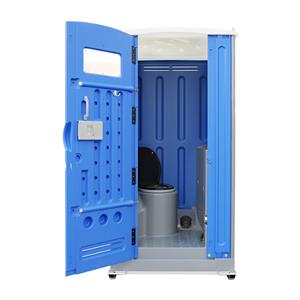
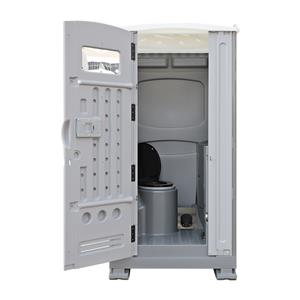
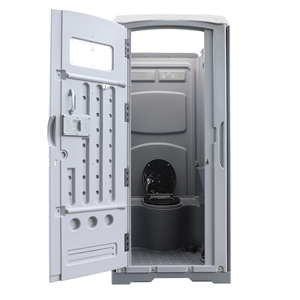
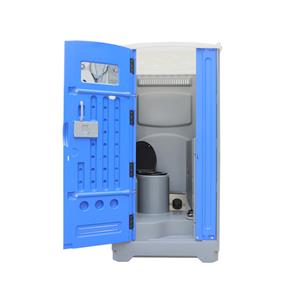
For worker productivity and morale: Toppla’s units feature a spacious interior (1.2m x 1.2m), LED lighting, a ventilation fan, and a hands-free flush system. The floor is slip-resistant and easy to clean. For women, there’s an optional sanitary disposal bin and a privacy latch. The exterior can be customized with company branding or reflective strips for night visibility.
Happy workers take fewer breaks. A pilot study on a German highway project found that switching to Toppla movable toilets reduced average bathroom break time from 12 minutes to 7 minutes. For 150 workers, that’s 750 minutes saved per day—12.5 hours. At $80/hour, that’s $1,000 daily. Over a year, $365,000 in recovered productivity. Plus, the units are ergonomically designed to reduce strain and improve user experience.
Customer Cases: Real Results from the Field
Let’s look at how these solutions play out in the real world. I’ve changed names and exact locations to protect privacy, but the data is drawn from Toppla’s project records.
Case 1: Mining in Chile’s Atacama Desert
Ricardo M., a site manager for a copper mine, faced extreme heat, dust, and water scarcity. Traditional toilets required daily water servicing—impossible when water had to be trucked in. Toppla provided 60 movable toilets with waterless composting technology. Result: Water usage dropped by 95%, servicing trips reduced from daily to weekly, and compliance with Chile’s environmental regulations was achieved without fines. Ricardo said, “We cut sanitation costs by 45% and finally got the environmental team off our backs.”
Case 2: Offshore Wind Farm in the UK
Emma S., a procurement manager, needed toilets for a crew of 80 on a remote island. Saltwater corrosion destroyed standard units within months. Toppla’s fiberglass-composite toilets with marine-grade hardware lasted the entire 18-month project. Maintenance costs fell by 60%, and no units were lost to corrosion. Emma commented, “These are the only toilets that survived the North Sea. Our workers actually complimented them.”
Case 3: Music Festival in California
Jake T., an event organizer, had 20,000 attendees over three days. Previous years saw long queues and complaints. Toppla supplied 200 movable toilets with foot-pump flush and hand-sanitizer stations. Average wait time dropped from 15 minutes to 4 minutes. Cleanliness scores (based on attendee surveys) rose from 2.1 to 4.7 out of 5. Jake said, “We reduced rental costs by 30% because we needed fewer units, and the festival got its first-ever positive feedback on sanitation.”
Case 4: Disaster Relief in the Philippines
After Typhoon Rai, aid workers needed rapid sanitation for 5,000 displaced people. Toppla airlifted 150 flat-pack toilets. Local volunteers assembled them in 20 minutes each. The units included a built-in water filter and waste separation system. Disease outbreaks were 70% lower compared to previous relief efforts. A UN logistics officer noted, “Toppla’s design saved lives by preventing cholera.”
Case 5: High-Rise Construction in Dubai
Ahmed K., a project director, needed toilets on the 50th floor. Traditional units were too heavy for the crane. Toppla’s modular toilets were lifted in pieces and assembled on-site. They included a macerator pump that sent waste down a standard pipe. This eliminated the need for daily crane lifts. Project timeline was reduced by 3 weeks, saving $500,000 in labor. Ahmed said, “We didn’t think movable toilets could be this sophisticated.”
Applications and Partnerships
Movable toilets from Toppla are used across a wide range of industries. In construction, they serve high-rise, highway, and bridge projects. In mining, they withstand extreme temperatures and remote locations. For events, they handle high traffic with ease. In disaster relief, they provide rapid, dignified sanitation. And in agriculture, they support seasonal workers in fields.
Toppla partners with major equipment rental companies like United Rentals and Sunbelt Rentals in North America, and Loxam in Europe. These partnerships mean you can access Toppla units through your existing rental contracts. Toppla also collaborates with engineering firms like AECOM and Bechtel to integrate sanitation into site plans from the start. When you buy from Toppla, you’re not just getting a product—you’re getting a network of support.
FAQ: Technical Answers for Engineers and Procurement Managers
Q1: What is the lifespan of a Toppla movable toilet compared to traditional portable toilets?
A: Traditional portable toilets last 2–3 years in harsh conditions. Toppla’s composite units have a design life of 10 years, with a 5-year warranty on structural components. The UV-resistant gel coat and stainless-steel fasteners prevent corrosion and fading. In a saltwater environment, they outlast steel units by 4x.
Q2: How do you handle waste disposal in areas with no sewer access?
A: Toppla offers three options: (1) a sealed tank that can be pumped out by a vacuum truck, (2) a composting unit that reduces waste volume by 80% and produces safe compost, and (3) an incineration toilet that burns waste to ash. The choice depends on local regulations and logistics. Our engineers can help you select the best fit.
Q3: What are the weight and dimensions of a single unit?
A: A standard Toppla movable toilet weighs 85 kg (187 lbs) and measures 1.2m x 1.2m x 2.3m. It can be disassembled into four panels, each weighing less than 25 kg, for easy transport. The flat-pack size is 1.2m x 0.8m x 0.3m per unit.
Q4: Can these toilets be used in extreme cold or heat?
A: Yes. The composite material operates from -40°C to 50°C. For cold climates, we offer an insulated package with a heater. For hot climates, a solar-powered ventilation fan keeps the interior comfortable. The waste tank includes a freeze-resistant valve.
Q5: What is the lead time for a large order?
A: For orders under 100 units, lead time is 4–6 weeks. For larger orders, 8–10 weeks. We maintain a stock of 500 units in our Rotterdam and Los Angeles warehouses for emergency needs. Custom branding adds 2 weeks.
Conclusion: The Bottom Line on Movable Toilets
Can a movable toilet cut costs by 40%? Absolutely—if it’s engineered for durability, logistics, and compliance. Xiamen Toppla Material Technology Co., Ltd has proven this across mining, construction, events, and disaster relief. By reducing transportation, servicing, and productivity losses, Toppla’s movable toilets deliver a total cost of ownership that traditional units can’t match.
If you’re tired of hidden sanitation costs eating your budget, it’s time to explore a better solution. Download our technical white paper, “The Engineering Behind Cost-Effective Movable Sanitation,” for detailed material specs, ROI calculations, and case studies. Or contact our sales engineers directly to discuss your project’s unique needs. Don’t let outdated toilets drain your profits—switch to Toppla and see the difference for yourself.