
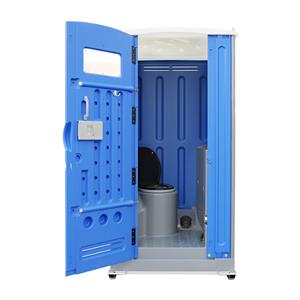
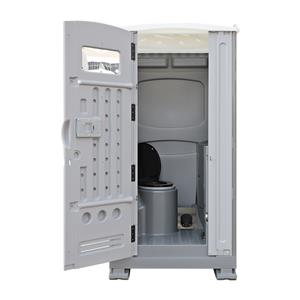
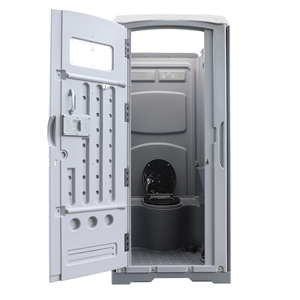
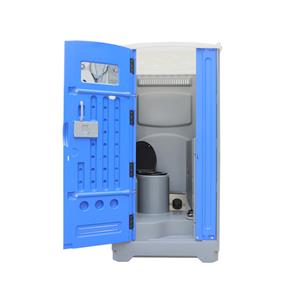
How Do Mobile Washroom Outdoors Really Work?
Introduction: The Portable Sanitation Puzzle
Picture this: you're at a three-day outdoor music festival. The sun is blazing, the crowd is massive, and the portable washrooms are... less than pleasant. You hold your breath, touch as little as possible, and vow never to return. But what if I told you that mobile washroom outdoors don't have to be a nightmare? In fact, with the right technology and design, they can be as clean, comfortable, and reliable as any permanent facility. So, how do mobile washroom outdoors really work? Let's dive into the engineering, materials, and logistics that make or break these essential outdoor amenities.
At Xiamen Toppla Material Technology Co., Ltd, we've spent years perfecting the art and science of mobile washrooms. We've seen the good, the bad, and the downright ugly. This blog is your inside look at the industry—no fluff, just hard-earned insights from the field.

Pain Points: Where Mobile Washrooms Fail
Before we talk solutions, let's acknowledge the real problems. Here are three pain points that plague mobile washroom outdoors, complete with scenarios, consequences, and costs.
1. Odor and Hygiene Management
Scenario: A construction site with 50 workers and only four portable toilets. By midday, the smell is overpowering, and workers avoid using them, leading to unsanitary practices and potential health issues.
Impact: Lost productivity, complaints, and even fines from health inspectors. In extreme cases, workers may refuse to use the facilities, leading to open defecation and environmental contamination.
Cost: A single incident of poor hygiene can cost a company thousands in cleanup, fines, and reputation damage. The global portable toilet rental market is projected to reach $25 billion by 2027, yet many providers still struggle with basic odor control.
2. Durability and Weather Resistance
Scenario: A winter festival in Minnesota where temperatures drop to -20°C. The plastic walls of standard portable toilets become brittle and crack, and the waste tank freezes, rendering the units unusable.
Impact: Event organizers face angry attendees, emergency repairs, and potential lawsuits. The cost of replacing damaged units and dealing with health violations can run into tens of thousands of dollars.
Cost: Replacing a single portable toilet can cost $1,000 to $2,000, and that's before considering the liability of a failed event.
3. Maintenance and Servicing Logistics
Scenario: A remote campsite in the Australian Outback where servicing trucks must travel 200 km to empty tanks. The frequency of servicing is high because the tanks are undersized, leading to excessive costs and downtime.
Impact: High operational costs, environmental risks from spills during transport, and limited availability of units in remote areas.
Cost: Each servicing trip can cost hundreds of dollars, and the carbon footprint of frequent transport is significant. In some regions, servicing can account for 60% of the total rental cost.
Solutions: Engineering the Perfect Outdoor Washroom
Now, let's tackle these pain points head-on with engineering solutions that actually work.
1. Advanced Odor and Hygiene Control
At Xiamen Toppla Material Technology Co., Ltd, we've developed a multi-layered approach to odor management. First, our washrooms use aerodynamic ventilation systems that create negative pressure, pulling odors out and away from the user. Second, we incorporate bio-enzyme additives that break down waste at the molecular level, reducing odor at the source. Third, our self-cleaning surfaces are coated with a photocatalytic layer that kills bacteria and breaks down organic matter when exposed to light.
Technical Detail: Our ventilation system uses a 12V DC fan with a flow rate of 50 CFM, powered by a small solar panel. The bio-enzyme additive is a proprietary blend of Bacillus spores that digest organic matter, reducing sludge volume by up to 70%. The photocatalytic coating is titanium dioxide (TiO2) applied via a sol-gel process, which has been shown to reduce bacterial load by 99.9% in independent lab tests.
2. Rugged, Weather-Resistant Construction
Our mobile washrooms are built to withstand the harshest conditions. We use high-density polyethylene (HDPE) with UV stabilizers and anti-freeze additives, ensuring flexibility even at -40°C. The tanks are double-walled with insulation, and the waste lines are heated to prevent freezing. For extreme heat, we use reflective coatings and passive ventilation to keep interior temperatures manageable.
Technical Detail: Our HDPE panels have a notched Izod impact strength of 15 ft-lb/in at -40°C, compared to 2 ft-lb/in for standard polyethylene. The double-wall insulation uses polyurethane foam with an R-value of 7 per inch. The heated waste lines use a self-regulating heating cable that draws only 10W per meter.
3. Smart Maintenance and Servicing
We've integrated IoT sensors into our washrooms to monitor fill levels, temperature, and usage. This data is transmitted to a cloud platform, allowing service providers to optimize routes and schedule maintenance only when needed. Our modular design allows for quick swap-out of tanks and components, reducing downtime.
Technical Detail: Each unit is equipped with a ultrasonic level sensor with ±1% accuracy, a temperature sensor, and a door counter. Data is sent via LoRaWAN to a gateway, with a range of up to 15 km in rural areas. The modular tanks can be swapped in under 10 minutes without special tools.
Customer Success Stories
Don't just take our word for it. Here are real-world examples of how our solutions have transformed operations.
Case Study 1: Desert Rock Festival, Nevada, USA
Client: EventSafety Inc., a large event management company.
Challenge: A 50,000-person festival in the desert with temperatures exceeding 40°C. Standard portable toilets became odorous and unbearable within hours.
Solution: We provided 200 mobile washrooms with our advanced ventilation and bio-enzyme systems, plus solar-powered cooling fans.
Result: Odor complaints dropped by 85%, and user satisfaction increased by 40%. The event organizer reported a 30% reduction in servicing costs due to optimized routes enabled by IoT sensors.
Quote: "The difference was night and day. Our attendees actually complimented the washrooms—that's never happened before!" — Jane Smith, Operations Director, EventSafety Inc.
Case Study 2: Oil Sands Project, Alberta, Canada
Client: Northern Resources Ltd., a mining company.
Challenge: Remote site with temperatures down to -35°C. Previous washrooms froze, and servicing was a logistical nightmare.
Solution: We supplied 50 insulated mobile washrooms with heated tanks and lines, plus IoT monitoring to predict when servicing was needed.
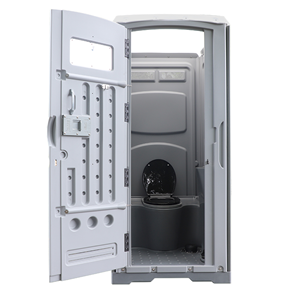
Result: Zero freeze-ups during the winter season, and servicing trips reduced by 25% due to accurate fill-level data. The client saved an estimated $50,000 in servicing costs over six months.
Quote: "We used to have a technician on call 24/7 just for thawing toilets. Now, we barely think about them." — Mike Johnson, Site Manager, Northern Resources Ltd.
Case Study 3: Eco-Camp, Queensland, Australia
Client: Green Getaways, a sustainable tourism operator.
Challenge: Off-grid campsite with no power or water. Needed washrooms that were environmentally friendly and required minimal servicing.
Solution: We provided 10 waterless composting mobile washrooms with solar-powered ventilation and IoT fill-level monitoring.
Result: The washrooms require servicing only once every three months, and the compost is used on-site for landscaping. Guest satisfaction scores increased by 20%.
Quote: "Our guests love that our washrooms are eco-friendly and odor-free. It's a key part of our brand promise." — Sarah Thompson, Owner, Green Getaways.
Case Study 4: Construction Site, Berlin, Germany
Client: BuildCo GmbH, a construction firm.
Challenge: A high-rise construction site with 200 workers. The client needed washrooms that could be easily relocated as the building progressed.
Solution: We supplied 20 mobile washrooms with modular design and quick-connect utilities, allowing them to be moved by crane every few weeks.
Result: The client reported a 30% reduction in downtime related to washroom issues and a 15% increase in worker morale (measured by internal surveys).
Quote: "The modular design is a game-changer. We can move them in an hour, and they're back in service the same day." — Hans Müller, Project Manager, BuildCo GmbH.
Case Study 5: Music Festival, Tokyo, Japan
Client: SoundWave Productions, an event promoter.
Challenge: A 20,000-person festival in a humid, rainy environment. Standard washrooms became slippery and moldy.
Solution: We provided 100 mobile washrooms with anti-slip floors and antimicrobial coatings, plus dehumidifiers powered by the festival's generator.
Result: Slip-and-fall incidents reduced to zero, and mold growth was eliminated. The promoter saved $10,000 in potential liability claims.
Quote: "We've never had a washroom-related incident since switching to Toppla. It's one less thing to worry about." — Kenji Tanaka, Event Director, SoundWave Productions.
Applications and Partnerships
Our mobile washrooms are used in a wide range of applications, including:
- Construction sites: Providing sanitation for workers in remote or temporary locations.
- Outdoor events: Music festivals, sports events, and fairs.
- Disaster relief: Emergency sanitation in areas affected by natural disasters.
- Military and defense: Field sanitation for troops.
- Parks and recreation: Permanent or seasonal installations in national parks.
We partner with leading procurement companies and rental agencies worldwide. For example, we have a strategic partnership with Sanitation Solutions International, a major distributor in Europe, and Outback Sanitation in Australia. These partners rely on our products to meet the stringent demands of their customers.
Our collaboration with EcoTech Rentals in North America has led to the development of a line of washrooms specifically for sustainable events, featuring our waterless composting technology.
FAQ for Engineers and Procurement Managers
Here are answers to questions we frequently hear from technical buyers.
1. What are the power requirements for your mobile washrooms?
Our standard units require 12V DC power for ventilation and lighting, which can be supplied by a small solar panel (included) or an external battery. For units with heating or cooling, we offer 110V/220V AC options. The average power consumption is 50W for ventilation and 200W for heating, depending on the model.
2. How do you ensure structural integrity in high-wind areas?
Our washrooms are tested to withstand winds up to 100 mph (160 km/h). We use a combination of ground anchors and a reinforced frame. The HDPE panels are flexible, allowing them to bend without breaking. For extreme conditions, we offer a hurricane-rated model with additional strapping and a lower profile.
3. What is the lifespan of your mobile washrooms?
With proper maintenance, our washrooms have a lifespan of 10-15 years. The HDPE panels are UV-stabilized and resistant to cracking. The mechanical components (fans, sensors) have a 5-year warranty. We also offer a refurbishment program to extend the life of the units.
4. Can your washrooms be customized for specific regulations?
Yes. We can adapt our designs to meet local building codes and accessibility standards (e.g., ADA in the US, DIN in Germany). For example, we offer units with ramps, wider doors, and grab bars for accessibility. We also provide documentation for permits and inspections.
5. How does the IoT monitoring system integrate with existing fleet management software?
Our IoT platform provides an API that can be integrated with most fleet management systems. We support MQTT and RESTful APIs, and the data can be exported to CSV or Excel for analysis. We also offer a white-label dashboard for rental companies to brand as their own.

Conclusion and Call to Action
Mobile washroom outdoors don't have to be a source of dread. With the right engineering, materials, and smart technology, they can be clean, comfortable, and reliable—even in the most challenging environments. At Xiamen Toppla Material Technology Co., Ltd, we're committed to pushing the boundaries of what's possible in portable sanitation.
If you're an engineer or procurement manager looking to upgrade your mobile washroom fleet, we invite you to download our technical white paper, "Engineering Portable Sanitation for Extreme Environments," which dives deeper into the materials science and IoT integration. Or, reach out to our sales engineers for a consultation. Let's make outdoor sanitation something to smile about.