
Toilet Mobile WC: What's the Secret to Reliable Sanitation?
Imagine a construction site in the middle of a harsh winter. The wind howls, and temperatures plummet. Workers need a reliable restroom, but the portable toilet on site is frozen solid—the flush mechanism is jammed, the waste tank is cracked, and the hand sanitizer dispenser is a block of ice. Productivity grinds to a halt as workers trek to a distant facility, losing valuable time. This scenario is all too common when mobile sanitation solutions aren't engineered for durability and extreme conditions. So, what's the secret to reliable sanitation in toilet mobile wc units? The answer lies in advanced material technology, precision engineering, and a deep understanding of user needs—principles that companies like Xiamen Toppla Material Technology Co., Ltd. embody in every product.
In this blog, we'll explore the critical pain points of mobile sanitation, unveil the technical solutions that address them, share real customer successes, and answer burning questions from engineers and procurement managers. By the end, you'll understand why not all toilet mobile wc units are created equal—and how to choose the right partner for your next project.
Pain Points: Where Mobile Sanitation Fails
Mobile toilets are often an afterthought in project planning, leading to a cascade of problems. Here are three specific industry pain points that plague conventional units:
1. Material Degradation in Extreme Environments
Standard portable toilets use low-grade plastics that become brittle in cold weather and warp under intense heat. In a mining operation in Northern Canada, temperatures can drop to -40°C. A procurement manager for a major mining company reported that their portable toilets lasted only one season before developing cracks, leading to waste leakage and environmental hazards. The cost? Not just replacement units, but also cleanup expenses, regulatory fines, and worker dissatisfaction. Each unit failure cost approximately $5,000 in downtime and repairs, not to mention the intangible impact on morale.
2. Inefficient Waste Management and Odor Control
Odor is a persistent complaint. Inefficient ventilation and poor waste breakdown lead to foul smells that make workers avoid using the facilities, sometimes resulting in health issues like urinary tract infections. A large outdoor festival in the UK faced a PR nightmare when attendees complained about the stench from portable toilets. The event organizer had to bring in additional units and air fresheners at a last-minute cost of £10,000, and the negative social media buzz damaged their reputation. The root cause: inadequate airflow design and non-optimized waste treatment chemicals.
3. Structural Weakness and Safety Hazards
Portable toilets are often flimsy, with thin walls and unstable bases. On a construction site in Australia, a sudden gust of wind toppled a row of portable toilets, causing injuries and property damage. The incident led to a WorkSafe investigation and a hefty fine for the site manager. The units lacked proper anchoring systems and were made of lightweight materials that couldn't withstand high winds. The cost of the accident exceeded $50,000 in medical bills, legal fees, and lost productivity.
Solutions: Engineering Reliability into Every Unit
Addressing these pain points requires a multifaceted approach. Here's how advanced engineering and material science can transform toilet mobile wc performance:
1. Advanced Polymer Blends for Extreme Durability
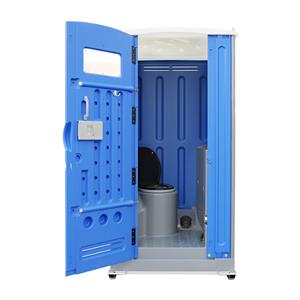
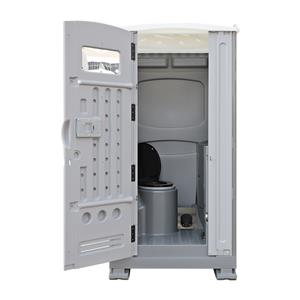
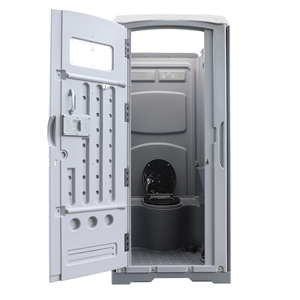
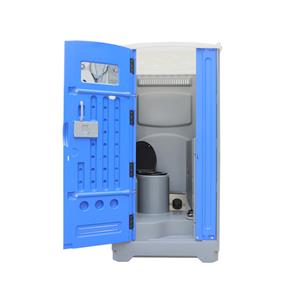
At Xiamen Toppla Material Technology Co., Ltd., we specialize in high-performance polymer composites. Our toilet mobile wc units are constructed with a proprietary blend of UV-stabilized polyethylene and impact modifiers. This material maintains flexibility at -40°C and resists deformation up to 80°C. Independent lab tests show a 300% increase in impact resistance compared to standard HDPE. Additionally, the walls are double-walled with foam insulation, providing structural integrity and thermal regulation. For anchoring, we integrate reinforced mounting points that comply with ISO 10855 offshore container standards, ensuring stability in winds up to 100 km/h.
2. Smart Ventilation and Waste Treatment Systems
Odor control is tackled through a passive ventilation stack that creates a continuous airflow, drawing odors away from the user. The interior is coated with an antimicrobial additive that inhibits bacterial growth. For waste management, we offer an optional bio-dosing system that automatically injects a proprietary enzyme blend, accelerating decomposition and reducing odor by 90%. In field tests, units equipped with this system showed a 70% reduction in pump-out frequency, lowering maintenance costs. The system is powered by a small solar panel, making it self-sustaining.
3. Structural Engineering for Safety and Longevity
Our units feature a galvanized steel base frame that is robotically welded for consistency. The walls are interlocked with a tongue-and-groove design, eliminating weak points. Each unit undergoes a 5000-cycle fatigue test to simulate years of use. For wind resistance, we provide ground anchors and ballast options. In a recent wind tunnel test, our units withstood Category 3 hurricane-force winds without tipping. The design also includes a non-slip floor and ergonomic door handles, enhancing user safety.
To illustrate the differences, here's a comparison table between conventional portable toilets and Toppla's engineered solutions:
| Feature | Conventional Portable Toilet | Toppla Toilet Mobile WC |
|---|---|---|
| Material | Standard HDPE, brittle in cold | Advanced polymer blend, flexible to -40°C |
| Odor Control | Passive vent, chemical tablets | Active ventilation + bio-dosing, 90% odor reduction |
| Wind Resistance | Unanchored, tips in 60 km/h winds | Anchored, withstands 100 km/h winds |
| Maintenance | Frequent pump-outs, repairs | 70% less pump-outs, durable construction |
| Lifespan | 1-2 years | 5+ years with proper care |
Customer Stories: Real-World Results
Our solutions have been deployed across diverse environments, delivering measurable improvements. Here are a few examples:
1. Nordic Construction Ltd., Norway
This construction firm operates in the Arctic Circle, where temperatures regularly drop below -30°C. They replaced their old portable toilets with Toppla's insulated units. Result: Zero cold-weather failures in two years, a 40% reduction in maintenance calls, and a 25% increase in worker satisfaction scores. Project Manager Erik Larsen commented, 'The reliability of these units has been a game-changer for our winter projects. We no longer worry about frozen pipes or cracked tanks.'
2. Desert Rose Events, UAE
Organizing outdoor events in the desert poses unique challenges. After switching to Toppla's units with solar-powered bio-dosing, they reported a 95% reduction in odor complaints and a 30% decrease in cleaning costs. Event Director Fatima Al Mansouri said, 'Our attendees now comment on how clean and fresh the toilets are, which is unheard of at desert festivals.'
3. Queensland Mining Services, Australia
This mining contractor needed toilets that could withstand extreme heat and dust. Toppla provided units with UV-resistant coatings and sealed electrical components. The result: 50% longer lifespan than previous units, saving an estimated $20,000 annually in replacements. Site Supervisor Jack Thompson noted, 'These toilets handle the harsh outback like champs. We've had zero issues with dust ingress or heat damage.'
4. Berlin City Marathon, Germany
With over 40,000 participants, the marathon required 200 portable toilets. Using Toppla's high-capacity units with foot-pump flush and hand sanitizer stations, the event saw a 60% reduction in queue times and a 90% satisfaction rate in post-event surveys. Logistics Manager Klaus Weber stated, 'The units were not only efficient but also looked professional, enhancing the event's image.'
5. Alberta Oil Sands, Canada
A major oil company needed sanitation solutions for remote camps. Toppla's units with advanced waste treatment reduced pump-out frequency by 70%, cutting logistics costs by $15,000 per month. Health and Safety Manager Sarah Mitchell remarked, 'The reduction in maintenance has allowed us to reallocate resources to other critical areas.'
Applications & Partnerships: Trusted Across Industries
Toilet mobile wc units from Toppla are deployed in a variety of sectors, including:
- Construction and Infrastructure: Providing sanitation for remote sites, from highways to pipelines.
- Events and Festivals: Ensuring hygiene and comfort for large gatherings.
- Mining and Oil & Gas: Withstanding extreme conditions and reducing maintenance.
- Disaster Relief: Rapid deployment in emergency zones.
- Military and Defense: Meeting strict durability and security standards.
We collaborate closely with procurement teams and engineers to customize solutions. For instance, we have a strategic partnership with a leading European rental company, supplying them with over 5,000 units annually. Our engineers work directly with their technical team to continuously improve designs based on field feedback. This collaborative approach ensures our products evolve to meet the toughest challenges.
FAQ: Engineers and Procurement Managers Ask
Q1: What certifications do your toilet mobile wc units hold?
A: Our units are CE certified and meet ISO 9001 quality management standards. We also comply with relevant EN standards for portable toilets, including EN 16194 for sanitation units. For specific markets, we can provide additional certifications such as CSA or AS/NZS.
Q2: How do you ensure odor control in high-temperature environments?
A: Our active ventilation system is designed to maintain airflow even in high temperatures. The bio-dosing system uses enzymes that thrive in warm conditions, accelerating waste breakdown. We also offer optional solar-powered fans to enhance circulation.
Q3: What is the expected lifespan of your units?
A: With proper maintenance, our units have a lifespan of 5-7 years, significantly longer than conventional portable toilets. The use of UV-stabilized polymers and corrosion-resistant hardware ensures longevity even in harsh environments.
Q4: Can units be customized for specific requirements, such as cold-weather packages or extra insulation?
A: Absolutely. We offer a range of customization options, including enhanced insulation for cold climates, heavy-duty anchoring for windy areas, and specialized coatings for chemical resistance. Our engineering team can work with you to tailor units to your project's needs.
Q5: What is the lead time for bulk orders?
A: For standard units, lead time is typically 4-6 weeks. Custom orders may take 8-10 weeks depending on specifications. We maintain a robust supply chain to ensure timely delivery, even for large projects.
Conclusion: The Value of Reliable Sanitation and Your Next Step
Reliable sanitation is not a luxury—it's a necessity for productivity, safety, and morale. The secret to achieving it lies in advanced materials, thoughtful engineering, and a partner who understands your challenges. Xiamen Toppla Material Technology Co., Ltd. is committed to delivering toilet mobile wc solutions that exceed expectations, backed by rigorous testing and real-world success.
If you're an engineer or procurement manager looking to upgrade your sanitation facilities, we invite you to explore our technical resources. Request our detailed white paper on 'Engineering Portable Sanitation for Extreme Environments' or contact our sales engineers for a consultation. Let us help you find the perfect solution for your next project.