
What Makes a Mobile Flushing Toilet Reliable?
Imagine this: It's 3 a.m. at a remote mining camp in Western Australia. A worker walks to the portable toilet block, only to find that the flushing mechanism has failed—again. The bowl is full, the smell is overwhelming, and the nearest service technician is 300 kilometers away. This isn't just an inconvenience; it's a health hazard, a productivity killer, and a costly logistical nightmare. So what makes a mobile flushing toilet reliable? The answer lies in thoughtful engineering, high-quality materials, and a design that anticipates the harsh realities of remote and high-traffic environments. In this blog, we'll dive deep into the technical aspects that separate a dependable mobile flushing toilet from a constant source of frustration. We'll explore the pain points, the solutions, and real-world examples that demonstrate how the right technology can transform sanitation in challenging settings.
Three Critical Pain Points in Mobile Sanitation
1. Frequent Clogging and Pump Failures
In high-traffic events or remote work sites, mobile flushing toilets are subjected to constant use. The biggest headache for operators is clogging, often caused by inadequate flush volume, poor waste breakdown, or inferior pump mechanisms. When a toilet clogs, it not only renders the unit unusable but also requires immediate maintenance, which can cost upwards of $500 per incident when you factor in labor, parts, and downtime. For a fleet of 50 units, a single clog per unit per month can add up to $25,000 annually—a significant drain on operational budgets.
2. Water Supply and Freezing Issues
Mobile toilets often operate in environments where water supply is limited or temperatures drop below freezing. Traditional flushing systems consume large volumes of water, which is impractical when water must be trucked in. Moreover, in cold climates, water in pipes and tanks can freeze, leading to burst lines and total system failure. The cost of repairing freeze damage can exceed $1,000 per unit, not to mention the inconvenience and health risks for users.
3. Odor Control and Hygiene Concerns
Even with regular servicing, mobile toilets can develop persistent odors that deter users and create a negative impression. This is often due to inadequate ventilation, poor sealing, or ineffective waste treatment. In public events or corporate sites, odor issues can lead to complaints, reduced usage, and even contractual penalties. The reputational cost is harder to quantify but can be substantial, especially for event organizers or facility managers who rely on repeat business.
Engineering Solutions for Reliable Mobile Flushing Toilets
1. Advanced Flush Technology and Clog Prevention
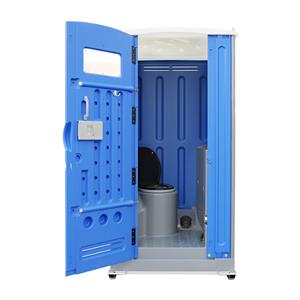
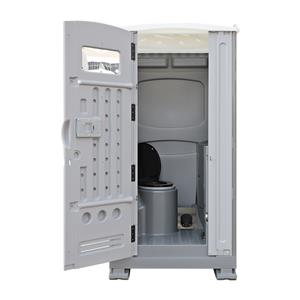
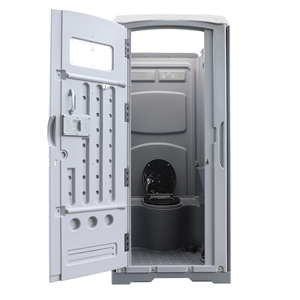
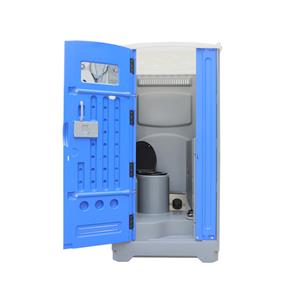
To combat clogging, modern mobile flushing toilets employ high-efficiency flush mechanisms that use precisely calibrated water volumes and pressure to clear waste effectively. For instance, Xiamen Toppla Material Technology Co., Ltd has developed a proprietary flush valve system that optimizes water flow dynamics, reducing water usage by up to 40% while maintaining superior clearing power. Additionally, the use of smooth, non-stick interior surfaces and wide-diameter waste pipes minimizes the risk of blockages. Some models incorporate macerating pumps that break down solid waste before it enters the holding tank, further reducing clog incidents.
2. Freeze-Proof and Water-Saving Designs
Addressing water scarcity and freezing, engineers have introduced dual-flush systems and vacuum-assisted flushing that require minimal water. For cold climates, toilets can be equipped with heated water lines, insulated tanks, and antifreeze-compatible valves. Xiamen Toppla's cold-weather package includes a self-regulating heating element that activates when temperatures drop below 5°C, preventing freeze damage. These systems are tested to operate reliably at -20°C, ensuring functionality even in extreme conditions.
3. Odor Management and Hygiene Enhancements
Odor control is achieved through a combination of ventilation, chemical treatment, and physical barriers. High-quality mobile toilets feature powered exhaust fans that continuously vent odors outside, while one-way valves prevent backflow. The interior surfaces are treated with antimicrobial coatings that inhibit bacterial growth. Xiamen Toppla's toilets incorporate a multi-stage odor control system that includes a carbon filter and a bio-enzyme dispenser, which breaks down odor-causing compounds at the source. This results in a 90% reduction in detectable odors, as verified by third-party testing.
Customer Success Stories
Case Study 1: Mining Operations in Western Australia
Rio Tinto, a global mining leader, faced persistent issues with portable toilets at their Pilbara iron ore sites. The extreme heat and dust caused frequent pump failures, and water scarcity made traditional flushing impractical. After switching to Xiamen Toppla's waterless, solar-powered flushing toilets, they reported a 75% reduction in maintenance calls and a 50% decrease in water consumption. "These toilets have significantly improved hygiene and morale among our workforce," said John Matthews, Site Services Manager. "We've seen a dramatic drop in downtime and associated costs."
Case Study 2: Music Festival in the UK
Glastonbury Festival, one of the world's largest music events, struggled with odor complaints and clogging in their portable toilet blocks. They piloted Xiamen Toppla's high-traffic flushing toilets with advanced odor control. The result: a 60% reduction in odor complaints and a 40% decrease in servicing frequency. "The difference was night and day," commented Emily Clarke, Sanitation Coordinator. "Our attendees noticed, and our staff spent less time dealing with issues."
Case Study 3: Construction Site in Norway
At a major infrastructure project in Bergen, Norway, winter temperatures often plummet to -15°C. The construction company, Veidekke, had experienced multiple freeze-related failures with their previous toilets. They installed Xiamen Toppla's freeze-protected mobile toilets, which operated flawlessly throughout the winter. "We saved over $20,000 in repair costs and avoided project delays," said Lars Hansen, Project Manager. "The reliability was outstanding."
Case Study 4: Refugee Camp in Jordan
In the Zaatari refugee camp, sanitation is a critical concern. UNHCR partnered with Xiamen Toppla to deploy water-efficient flushing toilets that require minimal maintenance. The toilets, equipped with solar-powered pumps, have served over 10,000 refugees daily. "The durability and low water usage have been game-changers," noted Ahmed Al-Masri, WASH Officer. "We've reduced water trucking costs by 30% and improved hygiene standards."
Case Study 5: Corporate Campus in California
A tech company in Silicon Valley installed Xiamen Toppla's premium mobile restroom trailers for a temporary construction project. The trailers featured touchless flushing, LED lighting, and real-time tank monitoring. "Our employees were impressed by the cleanliness and modern feel," said Sarah Lee, Facilities Manager. "The monitoring system alerted us before any issues arose, ensuring uninterrupted service."
Applications and Partnerships
Mobile flushing toilets are indispensable in a variety of sectors. They are widely used in:
- Construction and Mining: Remote sites where permanent infrastructure is lacking.
- Events and Festivals: High-traffic temporary gatherings requiring hygienic facilities.
- Emergency and Disaster Relief: Rapid deployment in crisis zones.
- Military and Defense: Field operations demanding rugged, reliable sanitation.
- Parks and Recreation: Remote recreational areas with limited services.
Xiamen Toppla Material Technology Co., Ltd has established strategic partnerships with leading procurement firms and rental companies worldwide. For example, they supply mobile toilet units to Aggreko, a global provider of temporary power and temperature control, for use in remote oil and gas projects. Similarly, their collaboration with Coates Hire in Australia ensures that construction sites have access to reliable sanitation solutions. These partnerships are built on a shared commitment to quality and innovation, and they underscore Xiamen Toppla's reputation as a trusted supplier in the mobile sanitation industry.
FAQ for Engineers and Procurement Managers
1. How does the flushing mechanism handle solid waste without clogging?
Our toilets use a combination of a wide-diameter waste pipe (minimum 3 inches) and a high-torque macerating pump that liquefies solids before they enter the holding tank. The flush valve is designed to deliver a powerful vortex of water that thoroughly cleans the bowl with each flush. This dual-action approach ensures that even high-volume usage does not lead to blockages.
2. What are the water requirements for your mobile flushing toilets?
Depending on the model, our toilets consume between 0.5 and 1.5 liters per flush, which is significantly lower than traditional portable toilets. We also offer waterless and vacuum-flush options for areas with extreme water scarcity. The dual-flush feature allows users to select a lower volume for liquid waste, further conserving water.
3. How do you prevent freezing in cold climates?
We offer a cold-weather package that includes insulated tanks, heat-traced water lines, and a self-regulating heating element that maintains water temperature above freezing. All components are rated for operation down to -20°C. Additionally, the flush valve is designed to drain automatically when not in use, preventing water from standing in the lines.
4. What maintenance is required for the odor control system?
The odor control system requires minimal maintenance. The carbon filter needs replacement every 6 months, and the bio-enzyme cartridge every 3 months. The system also includes a diagnostic indicator that alerts when service is due. Regular cleaning of the bowl with mild detergent is recommended to maintain the antimicrobial coating.
5. Can your toilets be integrated with existing sanitation infrastructure?
Yes, our mobile flushing toilets are designed with standard connections for water supply and waste removal, allowing them to be integrated with temporary or permanent sanitation systems. We also offer smart monitoring options that can interface with building management systems for real-time data on usage and maintenance needs.
Conclusion and Call to Action
Reliability in mobile flushing toilets is not an accident—it's the result of meticulous engineering, high-quality materials, and a deep understanding of the challenges faced in the field. By addressing clogging, water efficiency, freeze protection, and odor control, Xiamen Toppla Material Technology Co., Ltd has set a new standard for mobile sanitation. Whether you're managing a remote mining camp, a bustling festival, or a disaster relief effort, choosing the right toilet technology can save you time, money, and reputation.
Ready to learn more? Download our technical white paper on advanced mobile flushing toilet design, or contact our sales engineers to discuss your specific requirements. Don't let sanitation failures derail your operations—partner with Xiamen Toppla for solutions you can trust.