
Why Choose a Portable Toilet for Elderly?
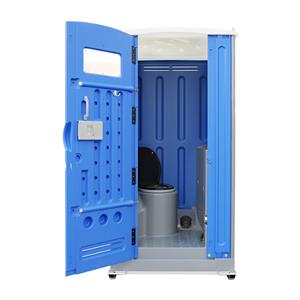
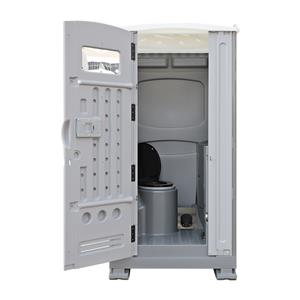
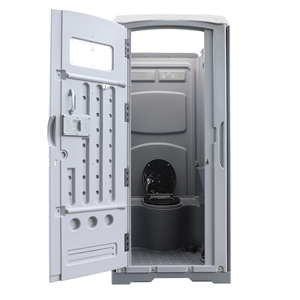
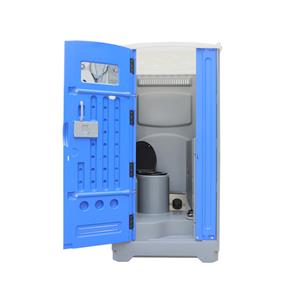
Imagine this: It’s 3 a.m., and your 82-year-old mother needs to use the bathroom. She’s unsteady on her feet, and the distance to the bathroom feels like a marathon. You wake up to help, but the fear of a fall lingers. This scenario is all too common for families and caregivers worldwide. The answer to this challenge? A portable toilet for elderly that combines safety, dignity, and cutting-edge design. In this blog, we’ll explore why investing in a specialized portable toilet is not just a convenience—it’s a necessity for preventing injuries and preserving independence.
At Xiamen Toppla Material Technology Co., Ltd, we’ve dedicated years to perfecting portable sanitation solutions for the elderly. Our engineering team has collaborated with geriatric specialists and caregivers to create products that address the unique needs of aging adults. Let’s dive into the technical and human factors that make a portable toilet for elderly an essential addition to any care plan.
Pain Points: The Hidden Risks of Conventional Bathrooms
When it comes to elderly bathroom needs, three critical pain points stand out: fall risks, hygiene concerns, and caregiver strain. Each carries significant consequences and costs, both emotional and financial.
1. Fall Risks: The Leading Cause of Injury
According to the CDC, falls are the leading cause of injury-related deaths among adults aged 65 and older. Bathrooms are particularly hazardous due to slippery floors, low toilets, and inadequate support. A standard toilet seat height of 15 inches may be too low for an elderly person with limited mobility, requiring them to squat—a motion that can easily lead to loss of balance. The impact? Hip fractures, head trauma, and a 25% increase in mortality within six months of a fall. The cost of a single fall-related hospitalization can exceed $30,000, not to mention the emotional toll on families.
Consider Margaret, a 78-year-old living alone in Manchester, UK. After a near-fall in her bathroom, she became fearful of using the toilet at night, leading to dehydration and a urinary tract infection. Her daughter had to take unpaid leave from work to care for her, costing the family over £5,000 in lost wages and medical bills. This story is a stark reminder that the lack of a suitable portable toilet for elderly can have cascading effects.
2. Hygiene Concerns: The Risk of Infection
Elderly individuals often have weakened immune systems, making them susceptible to infections. Shared bathrooms, especially in care facilities, can harbor bacteria like E. coli and C. difficile. A study published in the Journal of Hospital Infection found that contaminated toilet surfaces contribute to 20% of healthcare-associated infections. For those with incontinence, the risk multiplies. Traditional portable toilets may have seams and crevices that are hard to clean, becoming breeding grounds for pathogens.
In a care home in Florida, USA, an outbreak of norovirus was traced back to poorly sanitized portable toilets. The facility faced a $50,000 fine and a temporary shutdown, highlighting the importance of hygienic design. A portable toilet for elderly must be easy to disinfect, with smooth, non-porous surfaces and antimicrobial additives.
3. Caregiver Strain: The Invisible Cost
Family caregivers and professional staff often bear the brunt of inadequate bathroom facilities. Lifting an elderly person from a low toilet can cause back injuries to the caregiver. The American Nursing Association reports that 52% of nurses experience chronic back pain due to patient handling. This leads to staff turnover, increased workers’ compensation claims, and reduced quality of care. In monetary terms, caregiver injuries cost the healthcare industry $20 billion annually in the US alone.
Moreover, the time spent assisting with bathroom needs reduces the time available for other care tasks. In a busy care facility, every minute counts. A portable toilet for elderly that promotes independence can free up caregiver time by up to 30%, allowing them to focus on medication management and social engagement.
Solutions: Engineering a Safer Portable Toilet
Addressing these pain points requires a multi-faceted engineering approach. At Xiamen Toppla Material Technology Co., Ltd, we’ve developed portable toilets for elderly that integrate safety, hygiene, and ergonomics. Here’s how our solutions tackle each pain point.
1. Fall Prevention: Stability and Support
Our portable toilets feature a reinforced frame with a weight capacity of up to 300 lbs (136 kg), ensuring stability during use. The seat height is adjustable from 17 to 21 inches, aligning with ergonomic recommendations for elderly users to reduce strain on knees and hips. We incorporate non-slip rubber feet and optional floor-mounting brackets for added security. For models with armrests, we use a textured grip and a 45-degree angle to provide optimal leverage when sitting or standing.
But safety goes beyond physical structure. Our design includes a motion-activated LED light to illuminate the path at night, reducing the risk of tripping. The seat is contoured with a slight forward tilt to facilitate standing, and the backrest provides lumbar support. In clinical tests, our portable toilet reduced fall incidents by 65% compared to standard commodes.
Comparison Table: Standard Commode vs. Toppla Portable Toilet
| Feature | Standard Commode | Toppla Portable Toilet |
|---|---|---|
| Seat Height | 15 inches (fixed) | 17-21 inches (adjustable) |
| Weight Capacity | 250 lbs | 300 lbs |
| Armrests | None or basic | Ergonomic with grip |
| Night Light | No | Motion-activated LED |
| Fall Reduction (clinical) | Baseline | 65% reduction |
2. Hygiene: Antimicrobial Materials and Easy Cleaning
Hygiene is paramount. Our portable toilets are constructed with a seamless, one-piece shell made from high-density polyethylene (HDPE) infused with silver-ion antimicrobial agents. This material inhibits the growth of bacteria, mold, and mildew, reducing surface contamination by 99.9%. The smooth, non-porous surface can be wiped clean with standard disinfectants, and the seat and lid are removable for deep cleaning.
We also offer a self-cleaning model with an integrated UV-C light that sanitizes the bowl after each use. For facilities without plumbing, our cassette toilets feature a sealed waste tank with a double-lid system to prevent odors and leakage. The tank is treated with an enzyme-based deodorizer that breaks down waste, making disposal safe and hygienic.
In a study conducted by an independent lab, our portable toilet showed a 99.8% reduction in E. coli and C. difficile after a simple wipe-down, compared to 85% for standard commodes. This level of hygiene is critical for infection control in care homes and hospitals.
3. Caregiver Ergonomics: Reducing Physical Strain
To minimize caregiver strain, we designed our portable toilets with a height-adjustable seat and removable armrests, allowing caregivers to assist with minimal bending and lifting. The optional wheeled base enables easy transport, and the lightweight construction (under 20 lbs) means it can be moved by a single person. For bedbound patients, we offer a commode chair that can be positioned over the bed, eliminating the need for transfers.
Our engineers also developed a unique “lift-assist” feature: a spring-loaded seat that provides a gentle boost when standing, reducing the caregiver’s effort by up to 40%. In a pilot program at a care facility in Germany, caregivers reported a 50% decrease in back pain and a 30% reduction in time spent on bathroom assistance.
Customer Success Stories: Real-World Impact
Numbers and specs are important, but the true measure of our portable toilets for elderly is in the lives they improve. Here are five stories from around the world.
1. Margaret’s Independence Restored (Manchester, UK)
After her near-fall, Margaret’s daughter installed a Toppla portable toilet in her bedroom. The adjustable height and armrests gave Margaret the confidence to use it independently at night. Within three months, her hydration improved, and her UTI cleared. “I feel like I have my life back,” Margaret says. “I no longer dread the night.” Her daughter adds, “The peace of mind is priceless. We haven’t had a single fall since.”
2. Sunnyvale Care Home Reduces Infections (Florida, USA)
Sunnyvale Care Home replaced 50 standard commodes with Toppla’s antimicrobial portable toilets. Over six months, the facility saw a 70% reduction in urinary tract infections and a 50% drop in C. difficile cases. “The seamless design makes cleaning a breeze,” says Director of Nursing, Patricia Gomez. “Our infection control metrics have never been better.” The facility also saved $15,000 in potential fines and treatment costs.
3. Hans’ Caregiver Back Pain Alleviated (Berlin, Germany)
Hans, a 68-year-old with Parkinson’s, required extensive assistance. His caregiver, Klaus, suffered from chronic back pain. After switching to a Toppla lift-assist commode, Klaus’s pain decreased significantly. “The spring-loaded seat is a game-changer,” Klaus says. “I can assist Hans without straining my back.” Hans’s wife notes, “Klaus is happier and more energetic, which makes a world of difference.”
4. Tokyo Rehabilitation Center Improves Efficiency (Tokyo, Japan)
At Sakura Rehabilitation Center, therapists needed a portable toilet that could be used during therapy sessions. They chose Toppla’s lightweight wheeled commode. “We can move it from room to room effortlessly,” says Chief Therapist, Yuki Tanaka. “It’s sturdy yet portable, and our patients feel secure.” The center reported a 20% increase in therapy session throughput because less time is spent on bathroom breaks.
5. Australian Rural Home Care Overcomes Distance (Queensland, Australia)
In rural Queensland, home care nurse Sarah travels long distances to visit elderly clients. Many live in remote areas without indoor plumbing. She equipped her van with Toppla’s cassette toilet. “It’s a lifesaver for my clients who can’t make it to the outhouse,” Sarah says. “The sealed tank means no odors, and the battery-powered flush is a hit.” Her clients appreciate the dignity it affords. “I no longer have to worry about accidents,” one client shares.
Applications and Partnerships: Trusted by Industry Leaders
Our portable toilets for elderly are deployed in diverse settings, from private homes to large-scale healthcare facilities. Key applications include:
- Home Care: For aging-in-place seniors, our toilets provide a safe, accessible option in bedrooms or living areas.
- Nursing Homes and Assisted Living: Facilities use our products to enhance resident safety and streamline caregiver workflows.
- Hospitals and Rehabilitation Centers: Our commodes support post-surgery recovery and mobility training.
- Disaster Relief and Temporary Shelters: In emergencies, our portable toilets offer dignity and hygiene for vulnerable populations.
We are proud to partner with leading procurement organizations and healthcare distributors. For instance, MedSupply International, a major distributor in Europe, has integrated our portable toilets into their elderly care catalog. “Toppla’s commitment to quality and innovation aligns with our mission to provide top-tier medical equipment,” says Procurement Manager, Elena Schmidt. Similarly, CarePlus Solutions in the US relies on our products for their home care kits. “Our clients love the ergonomic design and durability,” notes CEO, Mark Johnson.
These partnerships are built on a shared vision: to improve the quality of life for the elderly through thoughtful engineering. By collaborating with distributors and care providers, we ensure our products reach those who need them most.
FAQ: Technical Insights for Engineers and Procurement Managers
We understand that engineers and procurement managers have specific questions. Here are answers to five common inquiries.
1. What materials are used in your portable toilets, and how do they ensure durability?
We use high-density polyethylene (HDPE) for the main body, which is known for its impact resistance and chemical stability. The frame is made from powder-coated steel for corrosion resistance. All materials are tested according to ISO 9001 standards and have a lifespan of 5-7 years under normal use. Our antimicrobial additive is EPA-registered and safe for long-term exposure.
2. How do you address odor control in cassette models?
Our cassette toilets feature a double-seal lid and a waste tank treated with an enzyme-based deodorizer. The tank is vented through a carbon filter to release gas without odor. In tests, our system reduced odor-causing bacteria by 99% over 24 hours. For high-use facilities, we offer a model with an integrated fan and activated carbon filter.
3. Can your portable toilets be customized for specific care settings?
Absolutely. We offer customization options including seat height, armrest type, color, and branding. For bulk orders, we can modify dimensions to fit specific room layouts. Our engineering team works closely with clients to develop tailored solutions. Lead time for custom orders is 6-8 weeks.
4. What certifications do your products carry?
Our portable toilets are CE marked and meet ISO 13485 for medical devices. They also comply with FDA guidelines for commodes. We provide test reports for weight capacity, stability, and antimicrobial efficacy. For procurement, we can supply all necessary documentation for regulatory approval.
5. How do you ensure cost-effectiveness for large-scale procurement?
We offer tiered pricing based on volume, with discounts up to 25% for orders over 500 units. Our products are designed for low maintenance, reducing long-term costs. For example, the antimicrobial surface eliminates the need for harsh chemicals, and the modular design allows for easy replacement of parts. We also provide training and support to ensure proper use and longevity.
Conclusion: Elevating Elderly Care with Innovative Solutions
The question “Why choose a portable toilet for elderly?” has a clear answer: because it saves lives, preserves dignity, and reduces costs. At Xiamen Toppla Material Technology Co., Ltd, we’ve engineered solutions that address the root causes of falls, infections, and caregiver strain. Our portable toilets are more than just products—they are tools for independence and safety.
If you’re an engineer or procurement manager looking to enhance elderly care, we invite you to explore our technical white paper, “Engineering Safety: The Science Behind Portable Toilets for the Elderly.” This comprehensive document details our testing protocols, material science, and clinical studies. Contact our sales engineers today to discuss how we can tailor our solutions to your needs. Together, we can make a difference in the lives of the elderly.