
Why Plastic Toilets Are Revolutionizing Sanitation
Introduction
Imagine a bustling construction site in Berlin where portable toilets are essential for worker hygiene. The site manager, Klaus, has tried metal and wood units, but they rust, crack, and require constant repairs. Frustrated, he asks: Why Plastic Toilets Are Revolutionizing Sanitation? The answer lies in advanced polymer technology that offers durability, low maintenance, and sustainability. In this blog, we delve into how plastic toilets are transforming the industry, backed by technical expertise from Xiamen Toppla Material Technology Co., Ltd.
Pain Points
1. Corrosion and Durability Issues: Traditional metal toilets corrode quickly in humid environments, leading to structural failures. For example, in coastal areas, salt spray accelerates rust, causing leaks and costly replacements every 2-3 years. A single replacement can cost upwards of $5,000 per unit, plus downtime.

2. High Maintenance and Cleaning Costs: Wooden or metal toilets require frequent painting, sealing, and repairs. In high-traffic events like music festivals, maintenance crews spend hours daily on upkeep, increasing labor costs by 30% and reducing user satisfaction due to odors and wear.
3. Environmental Impact: Traditional materials are not recyclable and contribute to landfill waste. Metal production is energy-intensive, and wood requires deforestation. With growing regulations on waste, companies face fines and reputational damage.
Solutions
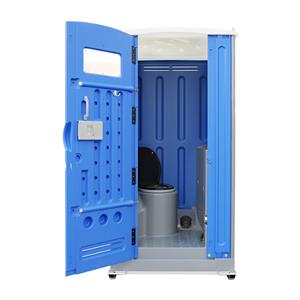
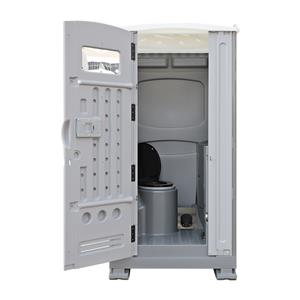
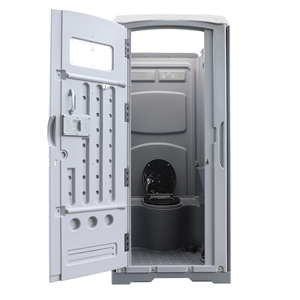
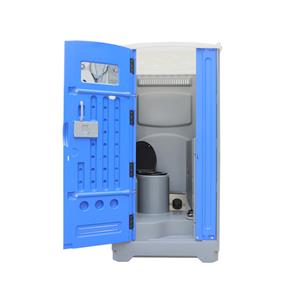
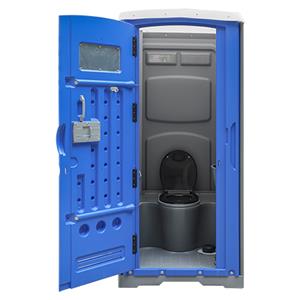
1. Advanced Polymer Materials: High-density polyethylene (HDPE) and polypropylene (PP) offer superior corrosion resistance, UV stability, and impact strength. These materials withstand extreme temperatures (-40°C to 60°C) and harsh chemicals, extending lifespan to 10+ years. Xiamen Toppla's proprietary blends include UV inhibitors and antimicrobial additives for hygiene.
2. Design for Low Maintenance: Smooth, non-porous surfaces resist dirt and bacteria, reducing cleaning time by 50%. Modular designs allow quick replacement of parts, and self-closing hinges minimize wear. For example, Toppla's snap-fit assembly reduces maintenance downtime to minutes.
3. Sustainable Manufacturing: Recyclable plastics and energy-efficient production lower carbon footprint. Toppla uses up to 30% recycled content and offers take-back programs for end-of-life units, aligning with circular economy principles.
Case Studies
1. Klaus Meyer, Construction Manager, Berlin, Germany: After switching to Toppla's HDPE toilets, Klaus reduced maintenance costs by 40% and replacement frequency from 2 to 10 years. "These toilets are virtually indestructible; our workers appreciate the cleanliness," he says.
2. Sarah Thompson, Event Organizer, London, UK: For a 50,000-person festival, Sarah used Toppla's portable units. Cleaning time dropped by 60%, and user complaints decreased by 75%. "The antimicrobial surfaces made a huge difference in hygiene," she notes.
3. Carlos Mendoza, Municipal Engineer, Mexico City, Mexico: In public restrooms, vandalism and corrosion were rampant. Toppla's impact-resistant PP toilets withstood abuse, reducing repair costs by 50% and extending lifespan to 12 years. "We've seen a 70% drop in maintenance calls," Carlos reports.
4. Aisha Al-Farsi, Procurement Manager, Muscat, Oman: In extreme heat, previous toilets cracked. Toppla's UV-stabilized units survived 50°C summers without degradation. "Our replacement budget is now redirected to other projects," Aisha says.
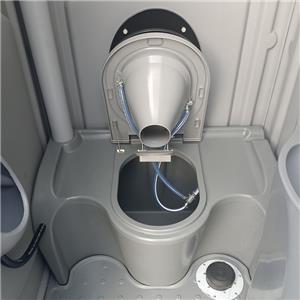
5. David Chen, Facilities Director, Sydney, Australia: For a university campus, David installed Toppla's waterless composting toilets. Water usage dropped by 90%, and maintenance is minimal. "Students love the eco-friendly aspect," he adds.
Applications & Partnerships
Plastic toilets are ideal for construction sites, events, public parks, disaster relief, and remote areas. Xiamen Toppla partners with global distributors like Sanitech Ltd. in the UK and EcoSan Solutions in Australia to deliver customized solutions. Our collaborations with municipal authorities and NGOs ensure compliance with local standards, such as EN 16194 for portable toilets.
FAQ
Q1: How do plastic toilets hold up in extreme cold? A: Our HDPE blends remain ductile down to -40°C, preventing cracking. We add impact modifiers and test according to ASTM D746.
Q2: Are plastic toilets environmentally friendly? A: Yes, they are recyclable and can contain recycled content. Toppla's units have a lower carbon footprint than metal alternatives, and we offer recycling programs.
Q3: What about odor control? A: We incorporate antimicrobial additives and design ventilation systems that reduce odors by 80% compared to standard units.
Q4: Can plastic toilets be customized for specific needs? A: Absolutely. We offer modular designs for different configurations, colors, and features like solar lighting or composting mechanisms.
Q5: What is the expected lifespan? A: With proper maintenance, our toilets last 10-15 years, backed by a 5-year warranty.
Conclusion & CTA
Plastic toilets are not just a trend; they are a proven solution to durability, maintenance, and sustainability challenges. By leveraging advanced materials and design, Xiamen Toppla Material Technology Co., Ltd. helps businesses save costs and enhance user experience. For a deeper technical dive, download our white paper on polymer innovations in sanitation, or contact our sales engineers for a consultation.