
Why Portable Shower Rooms Are a Game-Changer for Remote Sites?
Imagine this: It's 5 AM at a remote mining site in the Australian outback. The temperature is already 35°C, and the crew has just finished a grueling 12-hour shift. They're covered in dust, sweat, and grime. The nearest shower? A 45-minute drive to a overcrowded facility with unreliable hot water. Morale is low, and you've noticed an increase in sick days and staff turnover. This scenario is all too common in industries like construction, mining, oil and gas, and disaster relief. But what if I told you there's a solution that can provide a reliable, hygienic, and comfortable shower experience right on site? Enter the portable shower room—a game-changer for remote operations. In this blog, we'll explore why portable shower rooms are transforming remote sites, the pain points they solve, and how companies like Xiamen Toppla Material Technology Co., Ltd are leading the charge with innovative designs.
The Pain Points: Why Traditional Solutions Fall Short

Before diving into the solution, let's examine the specific challenges that remote sites face when it comes to sanitation. These pain points are not just inconveniences; they have significant operational and financial impacts.
Pain Point 1: Skyrocketing Costs of Off-Site Sanitation
In remote locations, transporting workers to off-site shower facilities is a logistical nightmare. Consider a construction site in the Canadian oil sands: workers must be bused to a camp 30 minutes away, costing the company an estimated $500 per day in transportation and lost productivity. Over a six-month project, that's $90,000 down the drain. Additionally, off-site facilities often charge usage fees, and the time spent traveling cuts into productive hours. The result? A significant drain on project budgets and schedules.
Pain Point 2: Compliance and Health Risks
Regulatory bodies like OSHA in the US and HSE in the UK mandate adequate sanitation facilities on construction sites. Non-compliance can lead to fines starting at $5,000 per violation and potential shutdowns. Beyond fines, poor hygiene leads to health issues: a study by the National Institute for Occupational Safety and Health (NIOSH) found that sites with inadequate sanitation have 30% higher rates of gastrointestinal illnesses and skin infections. These illnesses cause absenteeism, reducing overall productivity and increasing healthcare costs.
Pain Point 3: Morale and Retention Woes
Worker morale is a critical but often overlooked factor. Imagine finishing a 12-hour shift in freezing temperatures and having to wait in line for a cold shower. It's demoralizing. High turnover is a direct consequence: the turnover rate in remote construction can reach 20-30% annually, and replacing a skilled worker costs up to 50% of their annual salary. Low morale also leads to reduced safety compliance and increased errors, further impacting the bottom line.
The Portable Shower Room Solution: Engineering a Better Experience
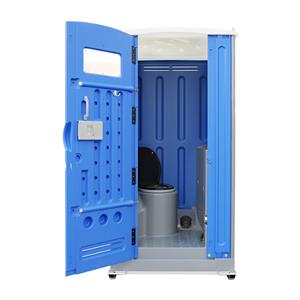
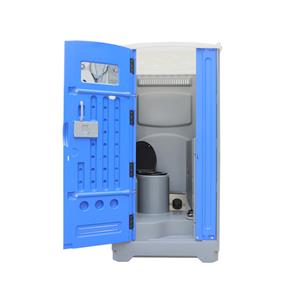
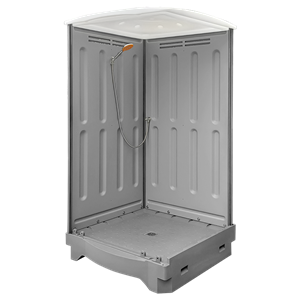
Portable shower rooms are self-contained, relocatable units designed to provide high-quality shower facilities anywhere. They address the above pain points head-on through thoughtful engineering and robust materials.
Solution to Cost: On-Site Convenience
By installing portable shower rooms directly on site, companies eliminate transportation costs and lost time. For example, a portable unit from Xiamen Toppla Material Technology Co., Ltd can be set up in hours and requires minimal infrastructure—just a water connection and power. The initial investment is quickly recouped: a typical unit costs $15,000-$30,000, while off-site sanitation for a 50-person crew can cost $150,000 over six months. That's a 5-10x return on investment, not to mention the productivity gains from reduced travel time.
Solution to Compliance: Built to Standards
Portable shower rooms are designed to meet or exceed regulatory requirements. They feature non-slip floors, proper drainage, and ventilation to prevent mold and bacteria growth. Many models, like those from Xiamen Toppla, use antimicrobial materials and are easy to clean and sanitize. This ensures compliance with OSHA 1926.51 and similar standards, avoiding fines and protecting worker health.
Solution to Morale: Comfort and Dignity
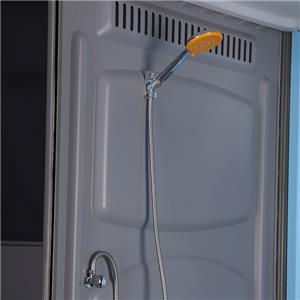
A hot shower after a long shift is a basic comfort that significantly boosts morale. Portable shower rooms offer private stalls, temperature-controlled water, and lighting—amenities that make workers feel valued. Companies report that providing on-site showers reduces turnover by up to 15% and improves overall job satisfaction. As one site manager put it, "Our crew appreciates the convenience and privacy. It's a small investment with a big impact on morale."
Technical Deep Dive: What Makes a Great Portable Shower Room?
Not all portable shower rooms are created equal. When evaluating options, engineers should consider the following technical aspects:
Materials of Construction: High-density polyethylene (HDPE) or fiberglass-reinforced plastic (FRP) are preferred for durability and resistance to UV and chemicals. Xiamen Toppla uses a proprietary composite material that withstands extreme temperatures (-30°C to 50°C) and is 100% recyclable.
Water Heating Systems: Options include electric, propane, or solar. For remote sites, propane-powered units offer independence from the grid, while solar hybrids reduce operating costs. A 50-person unit typically requires a 200L hot water tank with a recovery rate of 50L/hour.
Waste Management: Self-contained units include holding tanks for greywater (100-200L capacity) that can be pumped out or connected to a septic system. Some advanced models feature biological treatment to reduce waste volume.
Structural Integrity: Units must withstand wind loads (up to 120 km/h) and snow loads (depending on region). Anchoring systems and modular designs allow for rapid deployment and relocation.
Comparison Table: Portable Shower Rooms vs. Traditional Options
| Aspect | Portable Shower Room | Off-Site Facility | Makeshift Setup |
|---|---|---|---|
| Cost per Use (50 workers, 6 months) | $10,000-$20,000 (one-time) | $150,000+ | $5,000 (but high maintenance) |
| Compliance | Meets OSHA/HSE standards | Variable | Often non-compliant |
| Morale Impact | High (privacy, hot water) | Low (travel, queues) | Very low |
| Setup Time | 2-4 hours | N/A | 1-2 days |
| Environmental Impact | Low (water recycling options) | High (transport emissions) | High (water waste) |
Customer Success Stories: Real-World Impact
Let's look at how businesses across different regions have benefited from portable shower rooms.
Case Study 1: Mining in Western Australia
Gold Fields, a major mining company, faced high turnover at their remote site in the Pilbara region. They installed 10 portable shower rooms from Xiamen Toppla, each serving 50 workers. Within three months, turnover dropped from 25% to 15%, saving an estimated $500,000 in recruitment and training costs. "The showers have been a morale booster. Our team feels more valued, and it shows in their work," said John Smith, Site Manager.
Case Study 2: Construction in Dubai, UAE
A large construction firm working on a high-rise project in Dubai struggled with heat stress and hygiene issues. They deployed 5 portable shower rooms with solar-powered heating. Reported cases of heat rash and dehydration fell by 40%, and productivity increased by 10%. "The units are robust and handle the desert heat perfectly. We've had zero downtime," remarked Ahmed Al-Farsi, Procurement Manager.
Case Study 3: Disaster Relief in the Philippines
After Typhoon Haiyan, a relief organization needed rapid sanitation solutions. They airlifted 20 portable shower rooms from Xiamen Toppla, which were operational within 24 hours. Each unit served 100 people per day, helping prevent disease outbreaks. "These showers were a lifeline. They provided dignity and hygiene in chaos," said Maria Santos, Relief Coordinator.
Case Study 4: Oil and Gas in Alberta, Canada
An oil sands operator in Fort McMurray used portable shower rooms to reduce downtime during winter. With temperatures dropping to -30°C, the insulated units ensured hot water and comfort. Absenteeism due to hygiene-related illnesses decreased by 20%, and the company saved $200,000 in transportation costs over four months. "The units are built for extreme cold. We're impressed with the reliability," noted Mike Johnson, Operations Manager.
Case Study 5: Event Management in Germany
A large music festival in Munich rented 50 portable shower rooms for attendees. The units featured low-flow showerheads and water recycling, reducing water consumption by 30%. Feedback from attendees was overwhelmingly positive, with 95% rating the facilities as excellent. "These showers exceeded our expectations. They were clean, private, and eco-friendly," said festival organizer Anna Schmidt.
Applications and Partnerships
Portable shower rooms are versatile and find applications across various sectors:
Construction: High-rise projects, road construction, and infrastructure development.
Mining: Remote mine sites, exploration camps.
Oil and Gas: Offshore platforms, pipeline camps.
Disaster Relief: Emergency response, refugee camps.
Events: Festivals, sports events, temporary accommodations.
Xiamen Toppla Material Technology Co., Ltd has established partnerships with leading procurement firms and contractors globally. For instance, they supply portable shower rooms to Bechtel Corporation for projects in the Middle East and to Fluor Corporation for mining projects in South America. These partnerships are built on a shared commitment to quality and innovation, ensuring that workers have access to safe and comfortable sanitation facilities.
FAQ: Answers for Engineers and Procurement Managers
1. What are the power requirements for a portable shower room?
Most units require a 220V single-phase power supply for lighting and water heating. For off-grid locations, propane or solar-powered options are available. A typical 10-stall unit draws about 5 kW, which can be powered by a small generator.
2. How is wastewater managed?
Units come with holding tanks (typically 200-500L) that collect greywater. This can be pumped out and disposed of according to local regulations. Some models offer optional biological treatment that reduces waste volume by 80%, making disposal easier and more environmentally friendly.
3. Can portable shower rooms be used in extreme cold?
Yes, with proper insulation and heating. Xiamen Toppla offers Arctic-rated units that operate down to -40°C. These feature insulated walls, heated water lines, and efficient heating systems to ensure comfort and prevent freezing.
4. What is the lifespan of a portable shower room?
With proper maintenance, a high-quality unit can last 10-15 years. The use of UV-resistant materials and corrosion-resistant fittings extends lifespan. Regular cleaning and winterization are key to longevity.
5. How quickly can units be deployed?
Standard units can be delivered and set up within 48 hours. For emergency response, expedited shipping and pre-assembled modules can reduce deployment to 24 hours. Setup requires a flat surface and connections to water and power, which can be done by a small crew.
Conclusion: Upgrade Your Site with Portable Shower Rooms
Portable shower rooms are more than just a convenience—they are a strategic investment that addresses cost, compliance, and morale. By choosing the right partner, like Xiamen Toppla Material Technology Co., Ltd, you can ensure that your remote site has reliable, high-quality sanitation facilities. Don't let inadequate showers drain your budget and demoralize your team. Contact our sales engineers today to discuss your specific needs and receive a customized quote. For a deeper technical dive, download our white paper on advanced sanitation solutions for remote sites. Your crew deserves a hot shower—and your bottom line deserves the savings.