
Why Portable Toilets With Showers Are Quietly Reshaping B2B Sanitation
1. What this product really is ?
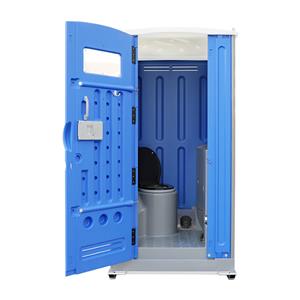
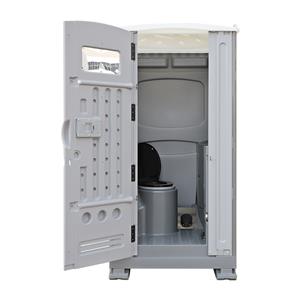
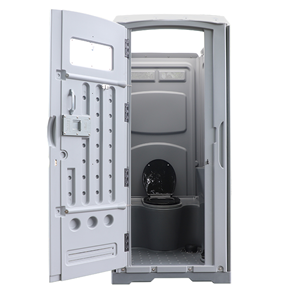
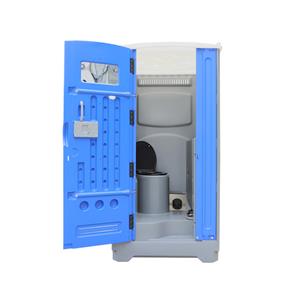
On a drawing, a Portable Toilet With Shower looks simple: a box, a door, a toilet, a basin, a shower head. In reality, it is a compressed plumbing system, drainage system, ventilation system, and small changing room, all squeezed into a footprint of roughly one square meter.
Think of it as a "relocatable bathroom cell." Instead of pouring concrete, laying tiles, and installing pipes, a site manager can have one outdoor portable toilet dropped on a slab, connected to water and sewer or tanks, and immediately offer a flush toilet, hand-washing and showering in a single private space. Models built as HDPE Plastic Ceramic Flush Toilet cabins push this idea further: the shell is heavy-duty HDPE, the user interface is ceramic and familiar, and the whole unit is designed to be picked up and moved like equipment, not demolished like a building.
2. How the real world uses portable toilet and shower rooms
If you line up purchase orders from different customers, patterns start to appear.
A civil contractor running a year-long road project needs something that can live outdoors through heat, rain and dust, and still be usable at the end of the contract.
A campsite that just opened a "glamping" area wants guests to feel like they have a hotel-style bathroom next to their tent, not a plastic cabin at the far end of the field.
A rental company wants one unit that can serve as crew facilities on a shutdown this month and backstage showers at a festival next month.
In all of these cases, the need is not "a toilet" in the narrow sense. It is:
A private space to use the toilet.
A place to wash hands with running water.
Somewhere to shower and change without leaving the secure area.
A single portable toilet and shower room delivers that bundle. For a contractor, that means fewer people disappearing off-site to wash. For a campsite, it means guests do not have to walk in the dark to shared blocks. For a rental fleet, it means one HDPE cabin can be priced and marketed as more than just another unit in a row.
3. The pain points it solves (from a buyer's desk, not a brochure)
If you're standing at a B2B procurement or owner's desk, the real pain points usually fall into three categories:
Complaints and reviews
Workers complaining "the toilet is too dirty/I won't use it."
Guests giving a campsite one star, just because the shared bathroom sucks.
Event organizers worried about their brand appearing in "terrible hygiene" social media posts.
Hidden costs
Low-end plastic toilets start warping by year three, doors misalign, walls bulge, and every cleaning takes several extra minutes.
Poor sanitation means workers walk far to shower or use the toilet, wasting billable hours.
Regulations and image
Tenders now specify "must provide flushing toilets and bathing facilities."
ESG reports demand details on water efficiency and employee hygiene conditions.
Portable Toilets With Showers tackle all three at once:
HDPE shell handles dirt, impacts, and UV exposure
Ceramic flush toilet + basin brings cleaning and experience close to home bathrooms
Handwash water recycled for flushing reduces fresh water use
Lifting points and steel frame construction make the cabin truly "movable equipment," not disposable architecture
4. Technical focus: why it's not "regular plastic toilet + shower head"
4.1 HDPE shell engineering logic
From an engineering perspective, HDPE's value goes beyond "being tough":
Won't rust like thin metal panels, won't brittle-crack like cheap PVC under strong sunlight
Can be molded as double-layer or thick-wall structures, keeping the entire outdoor portable toilet rigid during lifting, loading, transport
Near-porous-free surface means dirt doesn't get trapped in the material during cleaning
For B2B buyers, this translates to one sentence: fewer annual write-offs, shorter cleaning times.
4.2 Ceramic flush system's "experience dividend"
Using ceramic flush toilets in mobile applications seems "luxurious" at first glance, but delivers several practical results:
Users immediately know how to use it, no extra instructions needed
Ceramic's hardness and gloss maintain a "clean" appearance after years of scrubbing, unlike some plastic basins that permanently discolor
At the same cleaning frequency, ceramic interfaces easily reach "home bathroom level" appearance, critical for campsites, events, and long-term projects
When you use HDPE Plastic Ceramic Flush Toilet in your product title, you're actually communicating this "tough exterior, home-like interior" combination logic to buyers.
4.3 Water routing and drainage: greywater reuse's practical value
Real portable toilet and shower rooms deliberately engineer water paths:
Hand basin greywater collected first, then used for toilet flushing
Floor with clear slope and drain, shower water exits the cabin quickly instead of swirling at feet
Connections prepped for water supply and drainage systems that integrate with municipal or septic
This greywater reuse isn't "conceptual greenwashing" but hard cost savings: same handwash + flush action uses fresh water only once, reducing tank refill and supply pressure, especially valuable for campsites, farms, and temporary bases.
5. Selection questions smart buyers actually ask
These questions filter reliable suppliers better than "how much per unit?" - use them directly in RFQs or emails:
"Are walls single-layer or double-layer HDPE? Cross-section drawings available?"
Determines cabin rigidity and insulation, whether doors still close properly in year three
"How are ceramic components secured? Transport protection scheme?"
Real HDPE Plastic Ceramic Flush Toilet manufacturers have mature mounting and packaging solutions, otherwise shipping breakage rates skyrocket
"Does hand basin water route for toilet reuse? How is piping serviced?"
Greywater reuse shows long-term water cost consideration
Check for access panels and standard fittings that determine maintenance difficulty
"How are lifting points and steel structure arranged? Intro diagrams or test data?"
You're buying outdoor portable toilet equipment, not decorative thin shells
Structural design for crane/forklift use separates professional from amateur
"What does one standard config + one upgraded config include?"
Standard: mirror, basin, shower, floor drain, hooks, toilet paper holder
Upgraded: lighting, ventilation fans, exhaust fans, solar lights, soap dispensers
Write configuration lists into contracts, safer than vague "with accessories"
6. Parameter recommendations: written for people who read drawings and calculate costs
If drafting serious procurement specs, write like you're talking to engineers, not just "Portable Toilet With Shower":
Size range:
Width ~1.1-1.2m, depth ~1.1-1.2m, height ~2.3m
Balances container loading with adult turning/dressing space
Curb weight:
~150kg class, crane-liftable but won't blow away in strong wind
Structure requirements:
HDPE double-layer or thick-wall construction with internal steel rods/frame creating complete "load path" from roof to base
Clear large/small lifting ring design supporting crane or forklift operation
Sanitary fittings:
Integral or composite ceramic flush toilet
Hand basin, mirror, hooks, toilet paper holder, shower head and mixer
Non-slip floor + floor drain with trap or odor barrier
Water/power conditions:
Specify direct municipal water/sewer connection OR tank + waste tank solution
Lighting and fans AC-powered OR solar system configured
This writing raises supplier barriers but dramatically improves proposal quality received.
7. Common mistakes: from "cheap equipment" to "expensive trouble"
Unit price only, ignoring lifecycle
Cheap thin plastic cabins look identical year one; by year three they're cracking, warping, leaking, cleaning takes forever. The real expense is frequent repairs + early scrapping, not that initial few hundred dollar difference."Has shower" as only upgrade point
Many failed products cram shower heads into regular toilets: no floor slope, no separate drainage, one shower floods the entire cabin overnight. Real portable toilet and shower room redesigns floor structure, water routing, and ventilation together.Ignoring user group differences
Mixed construction teams, female employees, long-term technical staff generally demand higher privacy and cleanliness than short-term event tourists. Using "minimum config, no lighting, no fans" cabins for these groups costs you later in hiring, retention, and compliance.Unclear configuration specs
RFQ just says "with shower," delivery arrives missing mirrors, hooks, soap dispensers, no evening lighting.
End result: either expensive retrofits or customer complaints.
8. Several buyer-perspective short Q&As
Q: For a B2B buyer, what's the one clear reason to pay more for a Portable Toilet With Shower?
A: Fewer complaints and more operating days. One HDPE Plastic Ceramic Flush Toilet cabin with shower replaces several cheaper units and delivers bathroom-like experience clients will pay for.
Q: Is this product only for "luxury" projects?
A: Not really. Makes most sense where people stay onsite long periods—construction, camps, farms, remote bases. There the upgrade from "just toilet" to full portable toilet and shower room pays back in productivity and satisfaction.
Q: How can importers and OEM clients position it in their catalog?
A: Treat as premium, multi-purpose module between basic plastic toilets and large restroom trailers. Use as your "flagship cabin" anchoring higher-margin packages.
9. Short FAQ for blog bottom
FAQ 1: What's the typical footprint of a Portable Toilet With Shower?
Most single-cabin solutions use just over one square meter footprint and ~2.3m height, enough for adults to stand under shower and turn comfortably.
FAQ 2: Do Portable Toilets With Showers always need sewer connection?
Some models like direct-connect HDPE Plastic Ceramic Flush Toilet cabins link to water/sewer or septic. Others integrate tanks for off-grid with scheduled pump-outs.
FAQ 3: Why combine HDPE and ceramic instead of all-plastic?
HDPE perfect for external shell (tough, weather-resistant); ceramic inside gives familiar, easy-clean toilet/basin surface maintaining "real bathroom" feel over time.
FAQ 4: Can these units be branded for OEM customers?
Yes. HDPE panels molded in custom colors, carry printed/molded logos so importers/brand owners build consistent portable toilet and shower room lines under own brand.
FAQ 5: What accessories matter most for user satisfaction?
Good lighting, effective ventilation, functional mirror/basin, hooks, proper floor drain, reliable door lock often matter more than minor dimension differences.
10. Closing
Portable toilets used to mean thin plastic shell, chemical tank, reputation nobody discussed. Portable Toilets With Showers—especially HDPE Plastic Ceramic Flush Toilet cabins—quietly break that pattern: small movable bathrooms following your projects, guests, crews wherever needed.