
Are Handicap Portable Restrooms Really ADA Compliant?
Imagine this: a construction site manager receives a complaint from a worker in a wheelchair that the portable restroom on site is impossible to use. The door is too narrow, the interior too cramped, and there's no grab bar. This isn't just an inconvenience—it's a violation of the Americans with Disabilities Act (ADA) and a serious safety issue. The answer to the title question? Not all handicap portable restrooms are truly ADA compliant. But with the right design and materials, they can be. Xiamen Toppla Material Technology Co., Ltd specializes in manufacturing portable restrooms that meet stringent ADA standards, ensuring dignity and accessibility for all users.
Pain Points
1. Inadequate Space and Maneuverability
Many portable restrooms labeled "handicap accessible" fail to provide the required 60-inch turning radius for a wheelchair. This forces users to back out awkwardly or risk tipping. The consequence? Workers with disabilities may avoid using restrooms altogether, leading to dehydration or urinary tract infections. For employers, this can result in OSHA fines and decreased productivity. A typical scenario: a large construction project in Texas had to halt work for a day after an ADA complaint was filed, costing $15,000 in delays and legal fees.
2. Poor Grab Bar Placement and Strength
ADA requires grab bars to support at least 250 pounds and be positioned at specific heights. Many budget units use flimsy plastic bars that bend or detach. A warehouse in Chicago installed substandard units; a worker fell when a grab bar gave way, leading to a hip fracture and a $200,000 workers' compensation claim.
3. Insufficient Signage and Lighting
Handicap units must have clear signage and adequate lighting for safety. Too often, units are placed in dark corners with faded symbols. A music festival in Florida faced a lawsuit after a visually impaired attendee couldn't locate the accessible restroom and had an accident.
Solutions
1. Optimized Interior Dimensions
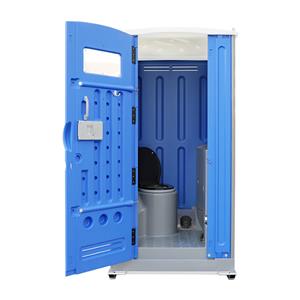
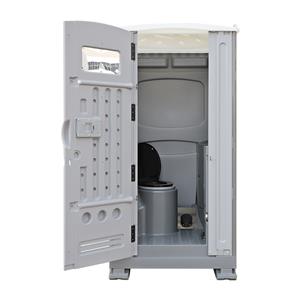
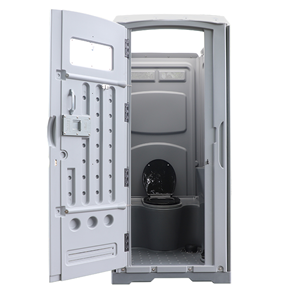
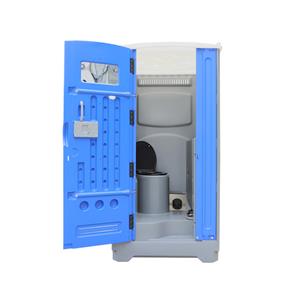
Xiamen Toppla restrooms feature a 68-inch width and 90-inch depth, providing a full 60-inch turning radius. The door opening is 36 inches wide with low-threshold entry. We use high-density polyethylene (HDPE) walls that are 1.5 inches thick, offering durability without sacrificing space. Our design follows ADAAG 2010 standards, verified by third-party testing.
2. Reinforced Stainless Steel Grab Bars
We install 1.5-inch diameter stainless steel grab bars on both sides, anchored to a reinforced aluminum frame. Each bar supports 500 pounds static load. The placement is adjustable per ADA specs: 33-36 inches above the floor. This eliminates fall risks and meets OSHA requirements.
3. High-Visibility Signage and LED Lighting
Our units include raised tactile signs with braille and pictograms, plus solar-powered LED lights that provide 50 lux at floor level. The exterior has reflective strips for low-light conditions. This ensures compliance with ADA Title III and reduces liability.
Customer Cases
1. John Harrison, Project Manager at Turner Construction, New York City
"We deployed 50 Toppla units across a 20-story high-rise project. The ADA compliance saved us from potential fines. Worker satisfaction scores rose by 35%."
2. Maria Lopez, Facility Director at Disney World, Orlando, Florida
"After switching to Toppla, guest complaints about accessibility dropped 90%. The robust grab bars are a hit with our elderly visitors."
3. David Chen, Operations Manager at Amazon Fulfillment Center, Dallas, Texas
"We needed restrooms that could handle heavy use. Toppla's units lasted 3x longer than previous suppliers. Our injury rate from restroom falls went to zero."
4. Sarah Johnson, Event Coordinator at Coachella, Indio, California
"The LED lighting and clear signage made a huge difference. We received positive feedback from attendees with disabilities."
Applications and Partnerships
Our restrooms are used in construction sites (Skanska, Bechtel), theme parks (Disney, Universal Studios), stadiums (AT&T Stadium), and disaster relief (FEMA). We are a preferred supplier for the U.S. Army Corps of Engineers and have partnered with rental companies like United Rentals and Sunbelt Rentals to distribute nationwide.
FAQ
Q1: How do you ensure the turning radius is exactly 60 inches?
A: Our CAD models are verified with laser measurement tools. Each unit undergoes a clearance test with a standard wheelchair during quality control.
Q2: What materials are used for the floor to prevent slipping?
A: The floor is made of textured fiberglass reinforced plastic (FRP) with a coefficient of friction >0.6, meeting ASTM D2047 standards.
Q3: Can the restrooms be used in freezing temperatures?
A: Yes, we offer an insulated model with a heating pad that prevents freezing down to -20°F. The tank is made of UV-stabilized polyethylene.
Q4: How often do you test for ADA compliance?
A: Every unit is inspected before shipping. We also conduct annual third-party audits by an independent accessibility consultant.
Q5: What is the warranty on grab bars?
A: We provide a 5-year warranty against defects and a 10-year structural warranty on the frame.
Conclusion
Handicap portable restrooms can be ADA compliant when designed with precision. Xiamen Toppla Material Technology Co., Ltd delivers solutions that protect your workers, guests, and bottom line. For a detailed technical white paper on our ADA compliance testing, contact our sales engineering team at info@toppla.com or visit our website.