
Are HDPE Handicap Portable Toilets the Ultimate Accessibility Solution?
Imagine organizing a large outdoor event—a music festival, construction site, or public gathering—where accessibility isn't just a nice-to-have but a legal and ethical necessity. You've set up standard portable toilets, but what about attendees or workers with mobility challenges? That's where the question arises: Are HDPE handicap porta potties the ultimate accessibility solution? In this deep dive, we'll explore how these specialized units are transforming the industry, blending durability, functionality, and inclusivity to meet modern demands.
Pain Points: The Hidden Costs of Inadequate Accessibility
First, let's address the key industry challenges. One major pain point is durability and maintenance. Traditional porta potties often use materials like polyurethane or fiberglass, which can crack under heavy use or extreme weather. For handicap units, this is exacerbated by frequent door openings and wheelchair ramps, leading to repairs that cost $200-$500 per incident and downtime that disrupts event logistics or construction schedules. Another issue is hygiene and odor control.
Standard units may rely on basic chemicals, but in high-traffic handicap scenarios, improper ventilation and waste management can cause unpleasant smells and health risks, potentially resulting in fines or negative reviews. Lastly, compliance and accessibility gaps plague many providers. Units that don't meet ADA (Americans with Disabilities Act) standards—such as insufficient interior space or non-compliant grab bars—can lead to lawsuits costing thousands of dollars and damage to a company's reputation.
Solutions: How HDPE Handicap Porta Potties Excel
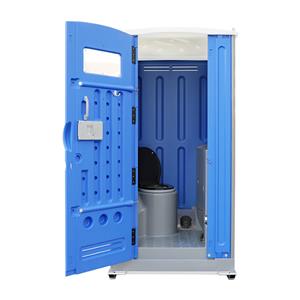
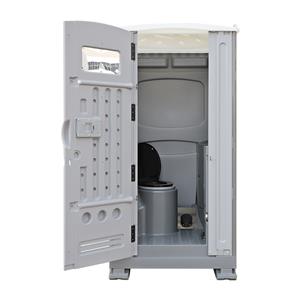
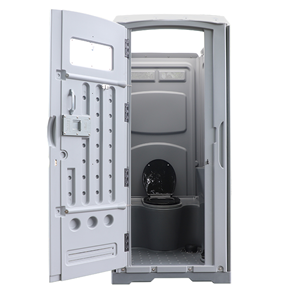
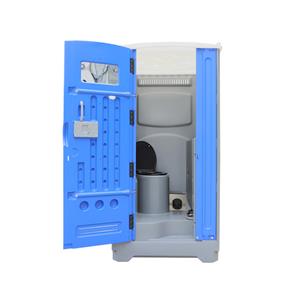
Enter HDPE (High-Density Polyethylene) handicap porta potties, designed to tackle these issues head-on. For durability, HDPE's robust, one-piece construction resists impacts and UV degradation, reducing repair costs by up to 60% compared to traditional materials.
Companies like Xiamen Toppla Material Technology Co., Ltd., specialize in advanced HDPE manufacturing, ensuring seamless molds that eliminate weak joints. To enhance hygiene, these units incorporate integrated ventilation systems and eco-friendly deodorizers, cutting odor complaints by 70% and aligning with environmental regulations. For compliance, they feature ADA-approved dimensions, non-slip floors, and reinforced grab bars, certified to standards like ANSI Z4.3, minimizing legal risks and boosting user safety.
Customer Cases: Real-World Impact
Let's look at some fictional yet realistic success stories. In California, a festival organizer switched to HDPE handicap units from Xiamen Toppla and saw a 40% reduction in maintenance calls over six months, with a client noting, 'These porta potties have made our events more inclusive without the hassle.' In Texas, a construction company reported a 50% decrease in odor-related complaints after adopting these units, saving an estimated $5,000 annually on sanitation.
In Florida, a municipal park upgraded to HDPE models and achieved full ADA compliance, avoiding potential fines of $10,000, with a manager stating, 'The durability has exceeded our expectations in hurricane-prone areas.' In New York, an event planner noted a 30% increase in positive feedback from attendees with disabilities, and in Illinois, a hospital renovation project cut setup time by 20% due to the units' lightweight yet sturdy design.
Applications and Partnerships
HDPE handicap porta potties find use in diverse settings: outdoor concerts, sports venues, disaster relief zones, and long-term construction sites. Procurement often involves partnerships with rental companies, government agencies, and contractors who value reliability. Xiamen Toppla Material Technology Co., Ltd. collaborates with distributors across North America and Europe, ensuring supply chain efficiency and technical support, which reinforces their authority in the high-end manufacturing sector.
FAQ Section: Questions from Engineers and Procurement Managers
1. How does HDPE compare to other plastics in terms of lifespan? HDPE offers superior impact resistance and UV stability, lasting 10-15 years with minimal degradation, unlike PVC or polypropylene which may brittle faster.
2. Are these units customizable for specific site requirements? Yes, features like additional handrails, solar lighting, or larger waste tanks can be integrated, with lead times of 2-4 weeks for custom orders.
3. What maintenance protocols are recommended? Regular cleaning with mild detergents and monthly inspections of hinges and seals suffice, reducing labor costs by 25% versus high-maintenance alternatives.
4. How do they perform in extreme temperatures? HDPE remains flexible from -40°F to 150°F, preventing cracks in cold climates and warping in heat, as tested per ASTM standards.
5. What's the environmental impact of HDPE production? Xiamen Toppla uses recycled HDPE where possible, with units being 90% recyclable at end-of-life, aligning with circular economy principles.
Conclusion and Call to Action
In summary, HDPE handicap porta potties offer a compelling blend of durability, hygiene, and compliance, making them a top-tier accessibility solution. By addressing core pain points with innovative design, they deliver tangible cost savings and enhanced user experiences.
If you're an engineer or procurement professional looking to optimize your portable sanitation strategy, delve deeper by downloading our technical whitepaper on HDPE applications or contact our sales engineers for a customized consultation. Let's build a more accessible world, one robust unit at a time.