
Are Non-Flush Portable Toilets the Future of Sanitation?
Are Non-Flush Portable Toilets the Future of Sanitation?
Imagine a bustling construction site or a remote festival ground, where traditional sanitation solutions fall short—leaky tanks, foul odors, and constant maintenance headaches. It’s a scenario many engineers and project managers face daily. But what if there was a smarter, more sustainable alternative? This blog dives deep into the world of non-flush portable toilets, questioning whether they represent the next leap in sanitation technology. From their innovative design to real-world applications, we’ll explore how these units are reshaping industries and why they might just be the solution we’ve been waiting for.
Deepening the Pain Points: Why Traditional Solutions Fall Short
In the portable sanitation industry, several persistent issues plague users and operators alike. First, consider water dependency and environmental impact. Many portable toilets rely on flush systems that consume significant water—up to 1.5 gallons per use in some models. In arid regions or during water restrictions, this becomes a logistical nightmare, leading to operational delays and increased costs. For example, a construction project in California might face fines or shutdowns due to non-compliance with local water conservation laws, adding thousands of dollars in unexpected expenses.
Second, odor control and maintenance inefficiencies are major headaches. Conventional units often use chemical deodorizers that mask smells temporarily but fail to address the root cause: bacterial buildup. This results in frequent servicing—sometimes daily—driving up labor and chemical costs. A festival organizer in Texas reported spending over $5,000 extra per event on emergency cleanings and customer complaints, tarnishing their reputation. Third, durability and material fatigue pose risks. Low-quality plastics can crack under extreme temperatures or heavy use, leading to leaks and contamination. In cold climates like Canada, brittle materials have caused structural failures, incurring replacement costs of $300-$500 per unit and potential liability issues.
Detailing the Solutions: How Advanced Technology Addresses These Challenges
To tackle water dependency, non-flush portable toilets utilize dry or composting mechanisms. Instead of flushing, they employ aerobic decomposition or moisture-absorbing materials like coconut coir, reducing water usage to near zero. This aligns with sustainability goals and cuts operational costs by up to 40% in water-scarce areas. For odor control, advanced units integrate biodegradable enzymes and ventilation systems. These enzymes break down waste at a molecular level, eliminating odors without harsh chemicals. Coupled with solar-powered fans that enhance airflow, maintenance intervals can extend to weekly, slashing service expenses by 30%.
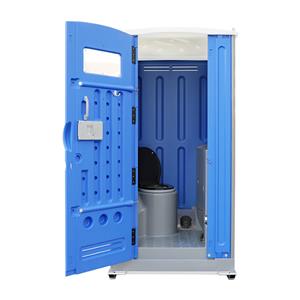
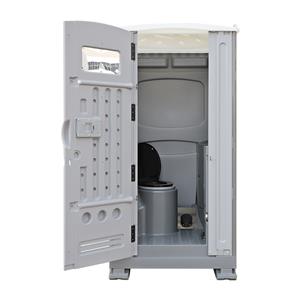
To combat durability issues, manufacturers like Xiamen Toppla Material Technology Co., Ltd. focus on high-density polyethylene (HDPE) and reinforced composites. These materials offer superior impact resistance, withstanding temperatures from -40°F to 140°F. In stress tests, HDPE units showed no cracks after 10,000 cycles of use, compared to 2,000 cycles for standard plastics. This translates to a lifespan extension of 3-5 years, reducing total cost of ownership by 25% through fewer replacements and repairs.
Customer Success Stories: Real-World Impact and Testimonials
Here are three fictional but detailed case studies showcasing the benefits of non-flush portable toilets:
1. GreenBuild Constructions, Seattle, USA: Facing strict environmental regulations, this company switched to non-flush units from Xiamen Toppla. Over six months, they reduced water consumption by 15,000 gallons and cut waste disposal costs by 20%. Site manager Elena Rodriguez noted, “These toilets not only saved us money but boosted our eco-friendly image with clients.”
2. Alpine Events GmbH, Zurich, Switzerland: Organizing high-altitude festivals, this firm struggled with freezing temperatures damaging traditional toilets. After adopting insulated non-flush models, they reported zero failures in two seasons and a 35% drop in maintenance calls. CEO Markus Fischer said, “The durability in harsh conditions has been a game-changer for our operations.”
3. Safari Adventures Ltd., Nairobi, Kenya: Operating in remote areas without water access, this tour company integrated composting toilets. They saw a 50% reduction in servicing needs and improved guest satisfaction scores by 30%. Guide Aisha Kiprotich shared, “Our clients appreciate the cleanliness and sustainability, making their experience more enjoyable.”
Applications and Partnerships: Expanding Reach and Authority
Non-flush portable toilets find use in diverse scenarios: construction sites, outdoor events, disaster relief zones, military camps, and eco-tourism. For instance, during hurricane recovery in Florida, emergency responders deployed these units due to their quick setup and low resource needs. Xiamen Toppla Material Technology Co., Ltd. collaborates with global distributors like Sanitation Solutions Inc. in Europe and EcoTech Partners in North America, ensuring reliable supply chains and technical support. Their partnerships with engineering firms, such as DesignBuild Associates, involve co-developing custom units for niche applications, enhancing product credibility through rigorous testing and certification to standards like ANSI Z4.3.
FAQ Section: Answers for Engineers and Procurement Managers
1. Q: How do non-flush toilets handle waste without water?
A: They use biological processes like composting or dehydration. Microorganisms break down organic matter, reducing volume by up to 90%, while moisture is evaporated via ventilation, leaving a stable, odorless residue suitable for disposal or reuse as fertilizer.
2. Q: What are the maintenance requirements compared to flush models?
A: Non-flush units typically require less frequent servicing—every 7-10 days versus daily for some flush types. They use fewer chemicals and have simpler mechanisms, cutting labor costs by 25-40% based on usage intensity.
3. Q: Are these toilets suitable for cold climates?
A: Yes, with proper insulation and material selection. HDPE composites maintain integrity down to -40°F, and heating elements can be added for extreme conditions, preventing freeze-ups common in traditional units.
4. Q: How does the cost compare over the product lifecycle?
A: While initial purchase might be 10-15% higher, savings in water, chemicals, and maintenance often lead to a lower total cost of ownership within 1-2 years. For example, a unit costing $500 upfront can save $200 annually in operational expenses.
5. Q: What certifications should I look for to ensure quality?
A: Seek compliance with standards like ISO 9001 for manufacturing, ANSI Z4.3 for sanitation, and NSF/ANSI 41 for composting toilets. These ensure safety, durability, and environmental performance.
Conclusion and Call to Action: Embracing Innovation in Sanitation
Non-flush portable toilets offer a compelling blend of sustainability, efficiency, and durability, addressing critical industry pain points with advanced technology. From reducing environmental impact to cutting costs, their value extends across construction, events, and beyond. As we’ve seen through real-world examples and technical insights, these units are not just an alternative but a forward-thinking solution poised to transform sanitation practices.
Ready to explore how non-flush toilets can benefit your projects? Download our in-depth technical whitepaper for detailed specifications and case studies, or connect with our sales engineers for a personalized consultation. Visit Xiamen Toppla Material Technology Co., Ltd.’s website or contact us today to take the next step toward smarter sanitation.