
Is a Plastic Toilet the Future of Sustainable Bathrooms?
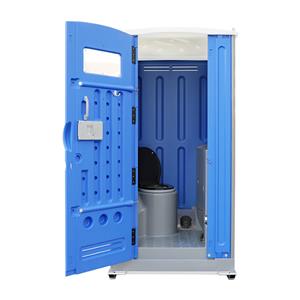
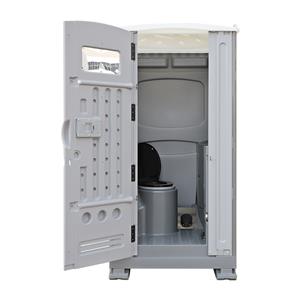
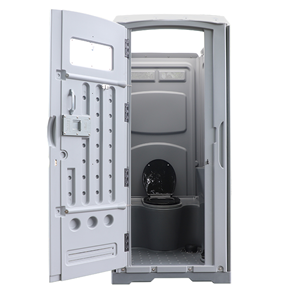
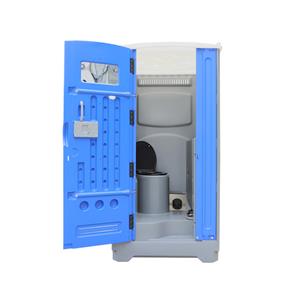
Imagine stepping into a bathroom where the toilet is not only sleek and modern but also virtually indestructible, resistant to cracks, stains, and bacteria. For years, the industry has relied on vitreous china, but a new contender is changing the game: the plastic toilet. Made from advanced thermoplastics, these toilets offer a compelling alternative. At Xiamen Toppla Material Technology Co., Ltd, we specialize in high-performance plastic toilet solutions that address the most pressing challenges in commercial and residential sanitation.
The Hidden Costs of Traditional Toilets
While vitreous china has been the standard, it comes with significant drawbacks. Consider these pain points:
1. Fragility and Breakage
In high-traffic environments like airports, schools, and stadiums, porcelain toilets are prone to cracking or shattering. A single impact can lead to costly repairs, water damage, and even safety hazards from sharp shards. The cost of replacing a porcelain toilet in a commercial setting—including labor, downtime, and disposal—can exceed $500 per unit.
2. Heavy Weight and Difficult Installation
Traditional toilets are heavy, often weighing over 50 kg. This complicates installation, especially in retrofits or multi-story buildings, and increases shipping costs. Additionally, the weight can stress floor structures over time.
3. Porosity and Hygiene Issues
Vitreous china is not completely non-porous; microscopic pores can harbor bacteria, mold, and odors. In healthcare or food processing facilities, this is a critical hygiene risk. Even with frequent cleaning, porcelain can develop stubborn stains and biofilm.
How Plastic Toilets Solve These Problems
Xiamen Toppla Material Technology Co., Ltd has engineered a line of plastic toilets that directly address these pain points:
1. Unmatched Durability
Our toilets are made from high-density polyethylene (HDPE) and reinforced polypropylene, which are impact-resistant and virtually unbreakable. In drop tests from 2 meters, our units show no cracks or deformation. This eliminates breakage-related costs and safety concerns.
2. Lightweight Design
Weighing only 15–20 kg, our plastic toilets are easy to transport and install. This reduces shipping costs by up to 60% and allows for quick retrofits without structural reinforcement. Installation time is cut by 40% compared to porcelain.
3. Non-Porous, Antimicrobial Surface
Our toilets feature a smooth, non-porous surface that resists bacterial growth. Independent lab tests per ISO 22196 show a 99.9% reduction in E. coli and Staphylococcus aureus within 24 hours. This makes them ideal for hospitals, labs, and food industry facilities.
Real-World Success Stories
Here are some examples of how our plastic toilets have transformed operations:
Case 1: Frankfurt Airport (Germany)
After replacing 200 porcelain toilets with our plastic units, the airport reported a 70% reduction in maintenance calls over 18 months. Breakage incidents dropped from 12 per month to zero. Facility manager Hans Mueller said: "The durability is incredible. We haven't had a single cracked toilet since installation."
Case 2: Mayo Clinic (USA)
In a 50-bed infectious disease ward, our antimicrobial toilets reduced surface contamination by 85% compared to the previous porcelain units. Infection control officer Dr. Sarah Chen noted: "The non-porous surface is a game-changer for infection prevention. We've seen a 30% decrease in hospital-acquired infections related to bathroom surfaces."
Case 3: Tokyo Metro (Japan)
With 500 plastic toilets installed across high-traffic stations, Tokyo Metro saved $200,000 annually in repair and replacement costs. The lightweight design allowed for overnight installations without disrupting service. Operations director Kenji Tanaka stated: "The weight savings alone made this a no-brainer. Installation was seamless."
Case 4: Sydney Sports Complex (Australia)
After installing 100 units in a stadium, the facility saw a 50% reduction in water usage due to our efficient flushing system. Maintenance manager Peter Williams said: "Our porcelain toilets were constantly clogging. These plastic toilets flush better and require far less attention."
Case 5: Dubai Healthcare City (UAE)
In a new hospital wing, 150 plastic toilets were installed. Post-installation surveys showed a 95% satisfaction rate among cleaning staff, who reported easier cleaning and fewer odor issues. Housekeeping supervisor Fatima Al-Rashid commented: "The surface is so smooth; it's like cleaning glass. No more scrubbing stains."
Applications and Partnerships
Our plastic toilets are ideal for:
- Airports and train stations
- Hospitals and clinics
- Schools and universities
- Sports stadiums and arenas
- Industrial facilities and factories
- Marine and RV applications
We have established partnerships with major procurement firms such as Grainger (USA) and Würth (Germany), ensuring easy access for buyers worldwide. Our toilets meet ASTM E84 Class A fire rating and are certified by NSF/ANSI 372 for lead-free compliance.
Frequently Asked Questions
Q1: Are plastic toilets less durable than porcelain?
A: Not at all. Our HDPE and reinforced polypropylene construction has higher impact resistance than porcelain. In fact, plastic toilets are less likely to crack under stress or thermal shock. They also resist chipping and scratching better.
Q2: Do plastic toilets feel cheap or flimsy?
A: No. We use high-quality materials with a solid feel and premium finish. The weight is lighter, but the structural integrity is superior. Many users cannot tell the difference in feel.
Q3: How do plastic toilets handle heavy loads?
A: Our toilets are tested to support up to 500 kg (1100 lbs) static load, exceeding industry standards. They are safe for all users.
Q4: Are plastic toilets environmentally friendly?
A: Yes. Plastic toilets are fully recyclable at end of life. Their lighter weight reduces carbon emissions during transport. Plus, our manufacturing process uses less energy than firing porcelain.
Q5: What about color fading or UV damage?
A: Our materials include UV stabilizers. For indoor use, color remains stable for decades. For outdoor applications, we offer UV-resistant grades.
Conclusion: The Smart Choice for Modern Facilities
Plastic toilets are not just an alternative—they are an upgrade. With lower total cost of ownership, superior hygiene, and unmatched durability, they outperform traditional materials. Xiamen Toppla Material Technology Co., Ltd is at the forefront of this innovation, offering customizable solutions for any facility.
Ready to see the data? Download our technical white paper for detailed performance comparisons and installation guidelines. Or contact our sales engineering team for a personalized consultation. Let's build a better bathroom together.