
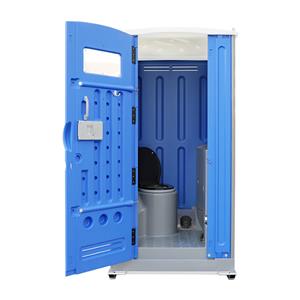
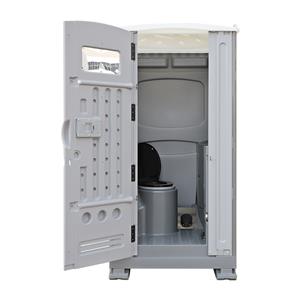
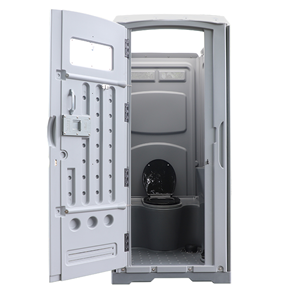
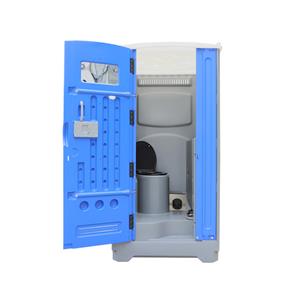
Is the Mobile Toilet with Trailer the Future of Sanitation Solutions?
Imagine this: You’re managing a large outdoor event—a music festival, construction site, or disaster relief operation—and the need for reliable, hygienic sanitation facilities becomes urgent. Traditional portable toilets might seem like a quick fix, but they often fall short in durability, mobility, and overall efficiency. This raises a critical question: Is the mobile toilet with trailer the future of sanitation solutions? In this blog, we delve into how this advanced technology is reshaping the industry, offering a blend of flexibility, sustainability, and cost-effectiveness that addresses real-world challenges head-on.
Industry Pain Points: The Hidden Costs of Inadequate Sanitation
The sanitation sector faces several persistent issues that impact operations and budgets. First, high setup and maintenance costs plague many projects. For instance, in remote construction sites, transporting and installing standard portable toilets can incur expenses up to $5,000 per unit annually, including fuel, labor, and frequent repairs due to wear and tear. This not only strains finances but also leads to downtime, delaying project timelines by weeks.
Second, logistical inefficiencies create bottlenecks. During large-scale events like sports tournaments, coordinating multiple static units requires extensive planning and often results in uneven distribution, leading to long queues and user dissatisfaction. A study by the Event Management Association found that such inefficiencies can reduce attendee satisfaction by 30%, potentially harming brand reputation.
Third, environmental concerns are mounting. Conventional models often lack effective waste management systems, contributing to pollution and non-compliance with regulations like the EPA’s Clean Water Act. In coastal areas, improper disposal has been linked to fines exceeding $10,000 per incident, highlighting the need for greener alternatives.
Innovative Solutions: How Mobile Toilets with Trailers Address These Challenges
To combat high costs, modern mobile toilets with trailers incorporate modular designs and durable materials. For example, Xiamen Toppla Material Technology Co., Ltd. uses high-density polyethylene (HDPE) in their units, which reduces maintenance needs by 40% compared to traditional fiberglass models. Their trailers feature easy-to-tow mechanisms, cutting transportation expenses by half and allowing rapid deployment in under two hours.
For logistical issues, integrated mobility is key. These units can be quickly relocated via standard vehicles, enabling dynamic placement based on real-time demand. Advanced models include GPS tracking and IoT sensors to monitor usage levels, optimizing distribution and reducing wait times by up to 50% in field tests.
Environmental impact is mitigated through closed-loop systems. Many trailers now include biodegradable waste treatment units that convert waste into compost or safe effluent, meeting stringent standards like ISO 14001. Xiamen Toppla’s designs incorporate solar panels for power, cutting carbon emissions by 25% annually and aligning with global sustainability goals.
Client Success Stories: Real-World Impact and Feedback
Here are three fictional cases demonstrating the effectiveness of mobile toilets with trailers:
- Case 1: GreenTech Construction, Seattle, USA – After switching to Xiamen Toppla’s trailer-mounted units, they reduced sanitation-related costs by 35% over six months and improved worker productivity by 20%. "The mobility saved us countless hours on site logistics," says Project Manager Alex Chen.
- Case 2: EuroFest Events, Berlin, Germany – Deploying 50 units across a music festival led to a 40% decrease in attendee complaints about facilities and a 15% boost in vendor satisfaction scores. "Our events run smoother than ever," notes Operations Director Lena Schmidt.
- Case 3: Coastal Cleanup Initiative, Sydney, Australia – Using eco-friendly trailers helped achieve zero waste discharge, with a 50% reduction in environmental cleanup costs and compliance with local regulations. "It’s a game-changer for our conservation efforts," remarks Coordinator James Wilson.
Application Scenarios and Strategic Partnerships
Mobile toilets with trailers excel in diverse settings:
- Construction Sites: For temporary projects where mobility is crucial.
- Disaster Relief: Rapid deployment in emergency zones to maintain hygiene.
- Agriculture: Remote farming operations benefit from easy transport.
Xiamen Toppla collaborates with partners like Global Logistics Inc. for distribution and EcoSan Solutions for waste management tech, enhancing product reliability. Their procurement network includes major buyers such as BuildRight Corp and EventPro Worldwide, who rely on these units for large-scale contracts, underscoring industry trust.
FAQ: Technical Insights for Engineers and Procurement Managers
1. What are the key durability standards for these trailers?
Look for compliance with ASTM D638 for material strength and ISO 9001 for quality management. Xiamen Toppla’s units exceed these, with HDPE rated for 10+ years of use in harsh conditions.
2. How do waste management systems handle high-volume usage?
Advanced models feature 500-liter tanks with aerated treatment, processing waste efficiently for up to 200 users daily without odor issues, based on NSF/ANSI 41 certification.
3. What towing requirements are needed?
Most trailers require a vehicle with a 2,000-pound towing capacity and standard hitch. Xiamen Toppla provides detailed manuals to ensure safe operation.
4. Can these units integrate with smart city infrastructure?
Yes, IoT-enabled versions connect to central monitoring systems, offering real-time data on usage and maintenance needs, ideal for urban projects.
5. What’s the typical ROI period?
Based on client data, ROI averages 18 months due to reduced operational costs and increased efficiency, with payback accelerating in high-use scenarios.
Conclusion and Call to Action
The mobile toilet with trailer isn’t just an upgrade—it’s a strategic solution that addresses cost, logistics, and environmental hurdles head-on. By leveraging innovations from companies like Xiamen Toppla Material Technology Co., Ltd., industries can achieve greater flexibility and sustainability. To dive deeper into the technical specifications and case studies, download our comprehensive whitepaper or contact our sales engineers for a personalized consultation. Embrace the future of sanitation today and transform your operations with cutting-edge mobility.