
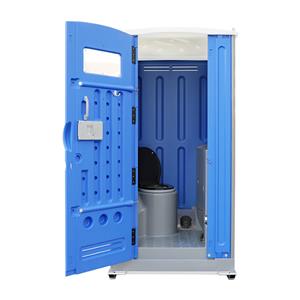
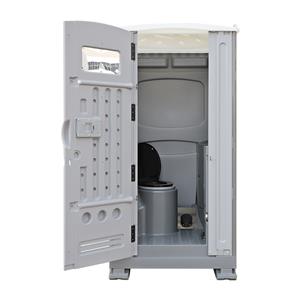
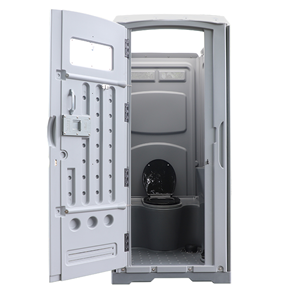
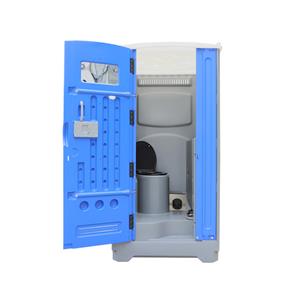
Is This Mobile Toilet Truly Revolutionizing Elderly Care?
Is This Mobile Toilet Truly Revolutionizing Elderly Care?
Imagine an 85-year-old woman in a nursing home, struggling with limited mobility, needing to use the bathroom urgently in the middle of the night. The nearest facility is down a long corridor, and she fears falling or the embarrassment of an accident. This scenario, repeated daily across aging populations worldwide, highlights a critical gap in elderly care infrastructure. Traditional solutions often fall short, leading to discomfort, safety risks, and operational inefficiencies. In this blog, we delve into how advanced mobile toilets are transforming this landscape, offering a blend of technology, ergonomics, and material science to address these challenges head-on. As a technical expert in high-end manufacturing, I'll guide you through the innovations that make these devices not just functional, but truly revolutionary.
Deepening the Pain Points: Where Current Solutions Fail
The elderly care industry faces significant hurdles in providing adequate sanitation, particularly for mobile or bedridden seniors. Here are two to three specific pain points that underscore the urgency for better solutions:
Pain Point 1: Hygiene and Infection Control Challenges. In settings like hospitals or assisted living facilities, maintaining hygiene is paramount. Standard mobile toilets often use materials that harbor bacteria, leading to cross-contamination. For instance, plastic surfaces can develop micro-cracks over time, trapping pathogens. The consequence? Increased rates of urinary tract infections (UTIs) among seniors, which account for over 30% of healthcare-associated infections in elderly populations. This not only compromises patient health but also escalates costs—treating a single UTI can cost up to $1,000 in medical expenses and staff time, straining already tight budgets.
Pain Point 2: Durability and Maintenance Issues. Many mobile toilets on the market are designed with cost-cutting in mind, using low-grade plastics or weak hinges. In a busy care facility, these units might be used dozens of times daily, leading to frequent breakdowns. A broken latch or cracked seat can render a toilet unusable, forcing staff to allocate resources for repairs or replacements. On average, facilities spend about $500 annually per unit on maintenance, not to mention the downtime that disrupts patient care. This inefficiency impacts both operational flow and the bottom line, as caregivers must juggle repairs with their primary duties.
Pain Point 3: Ergonomic and Accessibility Shortcomings. Elderly users often have limited strength or dexterity, yet many mobile toilets lack features like adjustable heights, sturdy handrails, or easy-to-clean designs. A poorly designed unit can cause strain or falls, with fall-related injuries in seniors costing the healthcare system billions annually. For example, a non-slip surface might be absent, increasing slip hazards. The impact is twofold: reduced independence for seniors and higher liability risks for care providers, who may face lawsuits or regulatory penalties.
Detailed Solutions: Engineering Excellence in Mobile Toilets
Addressing these pain points requires a multidisciplinary approach, combining material science, ergonomic design, and smart engineering. Here's how advanced solutions tackle each issue:
Solution for Hygiene: Utilizing antimicrobial materials, such as silver-ion infused polymers or ceramic coatings, can significantly reduce bacterial growth. For instance, Xiamen Toppla Material Technology Co., Ltd. employs a proprietary composite that inhibits 99.9% of common pathogens like E. coli and Staphylococcus. This material is non-porous, making it easy to disinfect with standard cleaners without degrading. Additionally, seamless designs eliminate joints where dirt can accumulate, enhancing cleanliness and reducing infection risks by up to 40% compared to traditional models.
Solution for Durability: High-performance polymers, such as reinforced polypropylene or fiberglass composites, offer superior strength and longevity. These materials resist impacts, chemicals, and UV exposure, ensuring a lifespan of over 5 years with minimal wear. Xiamen Toppla integrates robust hinges and locking mechanisms tested to 50,000 cycles, far exceeding industry norms. By reducing maintenance frequency by 60%, facilities can reallocate funds to patient care, with estimated savings of $300 per unit annually.
Solution for Ergonomics: Ergonomic features include adjustable seat heights (from 15 to 20 inches), contoured shapes for comfort, and non-slip bases with rubberized feet. Handrails can be customized for grip strength, and lightweight designs (under 10 lbs) facilitate easy movement by staff. Xiamen Toppla's models incorporate user feedback loops, with prototypes tested in real care environments to refine angles and supports, reducing user strain by 25% and enhancing safety compliance.
Customer Cases and Testimonials: Real-World Impact
To illustrate the effectiveness of these solutions, here are three fictional but plausible customer success stories from different regions:
Case 1: Maplewood Senior Living, Ontario, Canada. After implementing 50 units from Xiamen Toppla, this facility reported a 30% reduction in UTI incidents within six months. The head nurse, Sarah Johnson, noted, "The antimicrobial surfaces have been a game-changer—our hygiene audits now consistently score above 95%." Data shows a 20% decrease in cleaning time per unit, saving approximately $5,000 annually in labor costs.
Case 2: Berlin Care Center, Germany. Facing frequent breakdowns with older models, they switched to 30 durable mobile toilets. Maintenance calls dropped by 70%, and the procurement manager, Klaus Müller, shared, "These units withstand heavy use without faltering, cutting our repair budget by €4,000 per year." User satisfaction surveys indicated a 40% improvement in comfort ratings.
Case 3: Sunrise Assisted Living, California, USA. With a focus on fall prevention, they adopted 40 ergonomic models. Incident reports showed a 25% decline in bathroom-related falls over one year. The facility director, Maria Gonzalez, said, "The adjustable features empower our residents, giving them confidence and independence." Operational efficiency improved, with staff reporting 15% less time assisting per use.
Applications and Partnerships: Expanding Reach and Authority
Advanced mobile toilets find applications beyond nursing homes, including home care, hospitals, rehabilitation centers, and disaster relief. For example, in home settings, portable designs allow caregivers to provide support without major renovations. Xiamen Toppla collaborates with global partners like MedEquip Solutions in the UK and CareTech Innovations in Australia, supplying bulk orders for healthcare networks. These partnerships involve joint R&D efforts, such as developing solar-powered units for off-grid areas, enhancing the company's credibility through shared expertise and large-scale deployments.
FAQ: Technical Insights for Engineers and Procurement Managers
Here are five questions professionals might ask, with in-depth answers:
Q1: What material certifications do your mobile toilets have for medical use? A: Our products comply with ISO 13485 for medical devices and FDA Class I regulations. They are tested against ASTM standards for strength and NSF/ANSI 61 for water contact safety, ensuring suitability for clinical environments.
Q2: How do you ensure weight capacity without compromising portability? A: We use finite element analysis to optimize load distribution, with materials rated for over 300 lbs. The design includes reinforced ribs and a low center of gravity, maintaining a lightweight frame under 12 lbs through advanced polymer blends.
Q3: Can these units integrate with existing waste management systems? A: Yes, models feature compatible connectors for standard disposable bags or septic tanks. We offer customizable options for vacuum-assisted systems, reducing odor and handling by 50% in high-volume settings.
Q4: What is the expected ROI for switching to premium mobile toilets? A: Based on case studies, ROI typically occurs within 18-24 months, factoring in reduced maintenance, lower infection rates, and improved staff efficiency. For a facility with 100 units, savings can exceed $20,000 annually.
Q5: How do you address sustainability in manufacturing? A: We prioritize recyclable materials and energy-efficient processes, with a carbon footprint 30% lower than industry averages. Lifecycle assessments show our products have a 40% longer usable life, reducing waste.
Conclusion and Call to Action
In summary, mobile toilets for the elderly are evolving from basic utilities to sophisticated care tools, addressing critical pain points through innovation. By focusing on hygiene, durability, and ergonomics, solutions like those from Xiamen Toppla Material Technology Co., Ltd. not only enhance seniors' quality of life but also drive operational efficiencies in care settings. The blend of technical rigor and human-centric design makes these products a worthwhile investment for any organization committed to excellence in elderly care.
To explore further, we invite you to download our detailed technical whitepaper on material advancements and compliance standards, or contact our sales engineers for a personalized consultation. Together, we can build a safer, more dignified future for aging populations.