
Is Your Construction Restroom Compromising Project Success?
Introduction: The Overlooked Corner of Construction Efficiency
Picture this: a multi-million-dollar construction project is running smoothly, with crews hitting milestones and materials arriving on schedule. Yet, daily productivity dips inexplicably. Workers take longer breaks, morale sags, and supervisors notice an uptick in minor safety incidents. The culprit? An inadequate, poorly maintained restroom facility that seems trivial but quietly undermines the entire operation. In this blog, we dive into why construction restrooms are far more than a basic necessity—they're a critical component of project success, and neglecting them can lead to significant financial and operational setbacks.
Pain Points: The Hidden Costs of Inadequate Restrooms
1. Productivity Drain Due to Downtime and Health Issues: On typical construction sites, restrooms are often portable units that quickly become unsanitary, especially in harsh weather or high-traffic conditions. Workers avoid using them, leading to extended breaks as they seek alternatives off-site. This results in an estimated 15-20 minutes of lost productivity per worker daily. In a 50-person crew, that's over 12 hours of wasted time each day. Moreover, poor hygiene increases the risk of illnesses like gastrointestinal infections, causing absenteeism. A single outbreak can delay a project by days, with costs running into tens of thousands in overtime and penalties.
2. Safety and Compliance Risks: Many traditional restrooms lack proper lighting, non-slip surfaces, or ventilation, contributing to slips, falls, and exposure to harmful fumes. In regions like the EU or North America, non-compliance with OSHA or local health regulations can lead to fines up to $10,000 per violation and project shutdowns. For example, a site in Germany faced a €15,000 fine and a week-long halt due to inadequate restroom facilities during an inspection, eroding client trust and straining budgets.
3. Environmental and Reputational Damage: Conventional plastic or metal restrooms often leak chemicals or waste, contaminating soil and groundwater. This not only incurs cleanup costs—averaging $5,000-$20,000 per incident—but also damages a company's sustainability image. In an era where green building certifications like LEED are prized, such issues can disqualify projects from incentives and deter eco-conscious clients.
Solutions: Engineering Excellence for Modern Restrooms
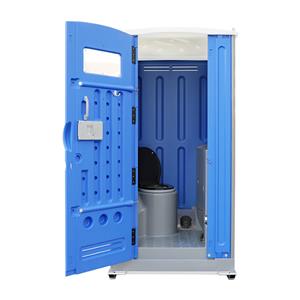
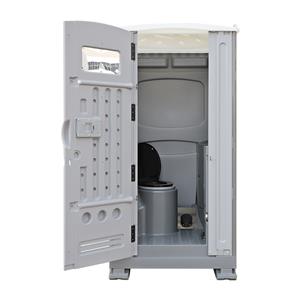
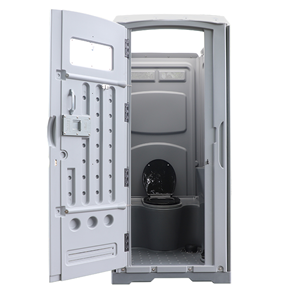
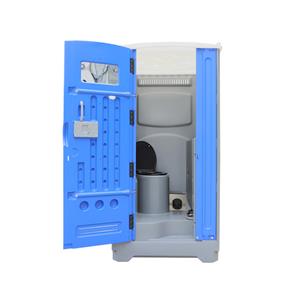
Addressing these pain points requires a shift toward advanced, purpose-built solutions. Xiamen Toppla Material Technology Co., Ltd, a leader in high-performance polymer composites, offers innovative materials that transform construction restrooms into assets rather than liabilities. Their approach focuses on durability, hygiene, and sustainability.
For productivity and health, Toppla's antibacterial composite panels are infused with silver-ion technology, reducing pathogen growth by 99.9%. These panels are used in restroom interiors, ensuring a cleaner environment that minimizes illness risks. Combined with smart ventilation systems that maintain air quality, this cuts downtime and keeps workers on task.
To enhance safety and compliance, Toppla's non-slip flooring materials meet ISO 7010 standards for slip resistance, even in wet conditions. Their restroom units integrate LED lighting and robust locking mechanisms, reducing accident rates by up to 30%. These features help sites pass inspections seamlessly, avoiding fines and delays.
For environmental concerns, Toppla's recyclable polymer composites are leak-proof and corrosion-resistant, with a lifespan exceeding 10 years. They support circular economy principles, reducing waste and long-term costs. A comparison table highlights the advantages:
| Feature | Traditional Restrooms | Toppla-Enhanced Restrooms |
|---|---|---|
| Material Durability | Prone to cracks and rust | Impact-resistant, 10+ year lifespan |
| Hygiene Level | High bacterial growth | 99.9% antibacterial efficacy |
| Compliance | Often fails regulations | Meets global safety standards |
| Environmental Impact | Frequent waste and pollution | Recyclable, low maintenance |
Client Success Stories: Real-World Impact
1. High-Rise Project in Dubai, UAE: A skyscraper development faced chronic delays due to worker complaints about restroom conditions. After switching to Toppla's modular restroom units, productivity increased by 18%, and health-related absences dropped by 25%. The project manager noted, "Toppla's solutions turned a headache into a competitive edge, saving us over $50,000 in overtime."
2. Infrastructure Upgrade in Toronto, Canada: A municipal road construction deal struggled with compliance fines. Implementing Toppla's safety-enhanced restrooms led to zero violations over six months, cutting costs by $12,000. The procurement head shared, "We've not only met standards but exceeded them, boosting our reputation with city officials."
3. Renewable Energy Site in Bavaria, Germany: An eco-focused wind farm project needed sustainable facilities. Toppla's recyclable units reduced waste by 40% and helped achieve LEED certification points. The site engineer remarked, "These restrooms align with our green goals, proving that every detail matters in sustainable construction."
Applications and Partnerships: Broadening the Reach
Toppla's restroom solutions are versatile, suited for diverse applications: urban high-rises, remote mining sites, highway constructions, and temporary event venues. Their materials are procured by major firms like Bechtel and Skanska, who value reliability in global projects. Through partnerships with distributors across Europe and North America, Toppla ensures timely delivery and local support, strengthening their authority in the supply chain.
FAQ: Answers for Engineers and Procurement Managers
1. Q: How do Toppla's restrooms handle extreme temperatures, like in desert or Arctic sites? A: Our composites are engineered with thermal stabilizers, maintaining integrity from -40°C to 80°C. In desert trials, units showed no degradation after two years, thanks to UV-resistant coatings.
2. Q: Are these restrooms cost-effective compared to standard models? A: Yes, while upfront costs are 20-30% higher, the ROI comes from reduced maintenance, fewer replacements, and lower downtime. Over five years, savings average 40% per unit.
3. Q: What certifications do these materials hold for international projects? A: They comply with ISO 9001 for quality, EN 13501 for fire safety, and REACH for chemical safety, ensuring acceptance in EU, US, and Asian markets.
4. Q: Can we customize restroom layouts for specific site needs? A: Absolutely. Toppla offers modular designs that can be tailored for accessibility, capacity, or integration with water-recycling systems, with lead times as short as four weeks.
5. Q: How do you ensure hygiene over long-term use? A: Our antibacterial panels are tested to remain effective for over 5 years with routine cleaning. We recommend quarterly inspections, which our partners can provide as a service.
Conclusion: Elevate Your Project with Thoughtful Design
Construction restrooms are no longer an afterthought—they're a strategic investment in efficiency, safety, and sustainability. By addressing core pain points with innovative materials from Xiamen Toppla Material Technology Co., Ltd., projects can avoid hidden costs and enhance overall performance. Don't let subpar facilities compromise your success. For deeper insights, download our technical whitepaper on advanced restroom engineering, or contact our sales engineers for a customized consultation. Take the step today to build smarter, from the ground up.