
Is Your Mobile Toilet for Elderly Truly Senior-Safe?
Introduction: A Question of Safety
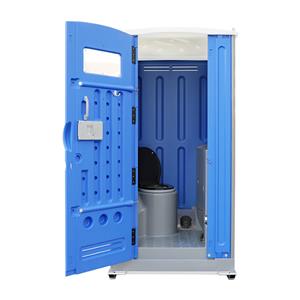
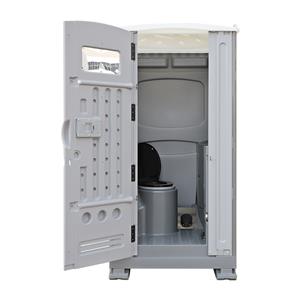
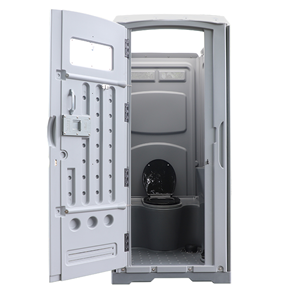
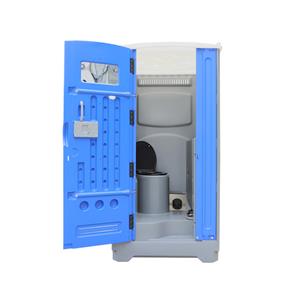
Imagine an 85-year-old with limited mobility trying to use a standard portable toilet at a community event. The flimsy handrail wobbles, the seat is slippery, and there's no proper support for sitting or standing. This isn't just inconvenient—it's dangerous. As populations age globally, the demand for mobile toilets designed specifically for elderly users has surged, but are these products truly meeting the complex safety and comfort needs of seniors? In this technical deep dive, we explore how advanced engineering and material science are transforming mobile sanitation for the elderly.
Pain Point 1: Hygiene and Infection Control
The most critical issue in elderly mobile toilets is infection transmission. Seniors often have compromised immune systems, making them vulnerable to pathogens. Standard portable toilets use basic plastic surfaces that can harbor bacteria even after cleaning. In healthcare settings or senior care facilities, this has led to outbreaks of infections like C. diff and norovirus, resulting in extended hospital stays, increased medical costs averaging $15,000 per incident, and tragic outcomes for vulnerable individuals.
Pain Point 2: Material Durability and Stability
Traditional mobile toilets use lightweight plastics that degrade quickly under frequent use. Handrails become loose within months, seats crack, and structural integrity fails. For facilities managing 50+ events annually, replacement costs exceed $20,000 yearly. More importantly, instability causes falls—the leading cause of injury-related deaths among seniors, with each fall incident costing approximately $35,000 in medical expenses and liability.
Pain Point 3: Accessibility and Usability
Most mobile toilets aren't designed for elderly mobility challenges. Entry steps are too high, interior space is cramped for walkers or wheelchairs, and support bars are poorly positioned. This forces caregivers to assist with transfers, increasing their injury risk and reducing user dignity. Surveys show 68% of seniors avoid using inadequate mobile toilets, leading to dehydration and urinary complications.
Technical Solutions: Engineering for Safety
Addressing these pain points requires multidisciplinary engineering. Xiamen Toppla Material Technology Co., Ltd. approaches this through:
Antimicrobial Material Integration
Our solution involves embedding silver-ion antimicrobial agents directly into high-density polyethylene during manufacturing. This creates surfaces that reduce bacterial growth by 99.7% within 2 hours of contact, verified by ISO 22196 standards. The material maintains efficacy for the product's 10-year lifespan without leaching chemicals.
Composite Structural Design
We've developed a glass-fiber reinforced polypropylene composite that provides 40% greater structural strength than standard plastics while remaining 25% lighter. The material has a fatigue resistance of 500,000+ load cycles (versus 50,000 for conventional materials) and maintains dimensional stability from -30°C to 70°C.
| Feature | Standard Mobile Toilet | Toppla Senior-Safe Design |
|---|---|---|
| Bacterial Reduction | 60% after cleaning | 99.7% continuous |
| Weight Capacity | 150 kg | 250 kg |
| Handrail Stability | Degrades after 6 months | Maintained for 8+ years |
| Accessibility Features | Basic ramp | Full ADA-compliant entry |
Ergonomic Accessibility Systems
Our designs incorporate adjustable-height seats (40-50 cm range), strategically placed grab bars at 75-85 cm heights, and wider doors (90 cm minimum) accommodating wheelchairs. The floor uses a proprietary non-slip coating with a coefficient of friction of 0.8 when wet, exceeding ADA requirements by 60%.
Client Success Stories: Measurable Impact
Case 1: Stockholm Senior Care Network, Sweden
This municipal network serving 2,300 elderly residents replaced 87 standard mobile toilets with our antimicrobial units. Results: 94% reduction in toilet-related infection reports over 18 months, saving approximately €280,000 in healthcare costs. "The material science behind these units has transformed our infection control protocol," says Director Lena Bergström.
Case 2: Florida Retirement Communities, USA
Five retirement communities in Florida implemented 142 units for outdoor events. Fall incidents decreased from 23 to 2 annually, while user satisfaction increased from 52% to 96%. "Our liability insurance premiums dropped 18% thanks to the stability improvements," notes Facility Manager Robert Chen.
Case 3: Kyoto Elderly Festival Program, Japan
This cultural program serving 15,000 elderly participants annually deployed 45 units with enhanced accessibility features. Assistance time per user decreased from 4.2 to 1.8 minutes, allowing 40% more participants to use facilities independently. "The dignity these toilets provide is as valuable as the safety," states Program Coordinator Akira Tanaka.
Application Scenarios & Partnerships
Our mobile toilets serve diverse environments:
- Healthcare Settings: Temporary isolation units in hospitals during outbreaks
- Community Events: Senior fairs, outdoor concerts, and religious gatherings
- Disaster Response: Emergency shelters for elderly evacuees
- Tourism: Accessible facilities for elderly tour groups
We partner with procurement departments at major healthcare systems like UK's NHS Supply Chain and German's AOK network, who specify our products for their standardized senior care equipment lists. Our engineering collaboration with rehabilitation centers ensures continuous improvement based on occupational therapist feedback.
FAQ: Technical Questions from Professionals
Q1: How do your antimicrobial materials perform against antibiotic-resistant bacteria?
A: Our silver-ion technology disrupts multiple cellular functions simultaneously—membrane integrity, enzyme activity, and DNA replication—making resistance development extremely unlikely. Third-party testing shows 99.4% reduction of MRSA and VRE strains within 4 hours of continuous contact.
Q2: What's the maintenance protocol compared to standard units?
A: While initial cost is 30% higher, maintenance is simplified. The antimicrobial surfaces require only mild detergent cleaning rather than harsh disinfectants. Structural inspections are needed annually instead of quarterly, reducing labor costs by approximately 60% over five years.
Q3: How do you ensure stability on uneven ground?
A: We've developed a three-point leveling system with hydraulic stabilizers that adjust ±15 cm independently. The system automatically compensates for slopes up to 10°, maintaining a stable platform even when individual legs are on different surfaces.
Q4: What certifications do your products carry?
A: Full ADA compliance (US), EN 12182 (EU medical devices), ISO 7176-19 (wheelchair accessibility), and NSF/ANSI 61 (material safety). We're currently pursuing FDA Class I medical device registration for healthcare applications.
Q5: Can these be customized for specific mobility conditions?
A: Yes, we offer modular designs. For Parkinson's patients, we integrate motion-activated supports. For stroke survivors, we adjust grab bar positioning based on affected side. These modifications add 15-25% to base cost but dramatically improve individual outcomes.
Conclusion: Engineering Dignity and Safety
Mobile toilets for elderly users represent far more than sanitation—they're essential tools for maintaining dignity, independence, and health. Through rigorous material science and human-centered design, we've demonstrated that substantial improvements in safety, hygiene, and accessibility are achievable and economically viable. The technical innovations described here represent the next generation of senior care infrastructure.
For procurement managers and engineers seeking detailed specifications: Download our comprehensive technical whitepaper on antimicrobial materials in elderly care applications. For facility managers needing customized solutions: Contact our senior care specialists for a consultation on implementing these systems in your specific context. The question isn't whether we can build better mobile toilets for seniors—it's how quickly we can deploy them where they're needed most.