
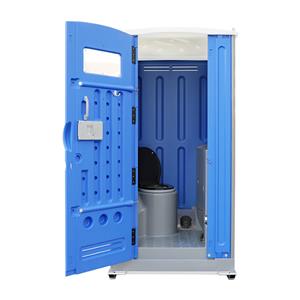
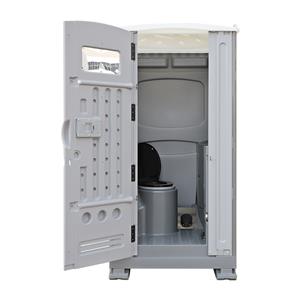
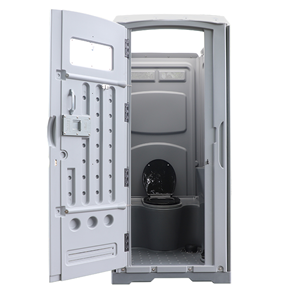
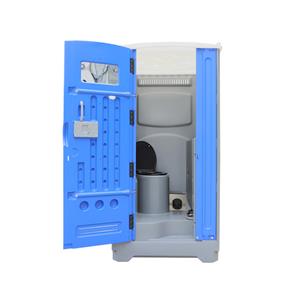
Outdoor Portable Squat Toilet: Game Changer?
Imagine you're on a remote construction site or managing a large outdoor event. The portable toilets are a constant headache—leaky, smelly, and breaking down. It's a problem that drains time, money, and morale. Could an outdoor portable squat toilet be the solution? In this blog, we dive deep into why this design is gaining traction, backed by technical insights and real-world success stories.
Pain Points: The Hidden Costs of Traditional Portable Toilets
Many industries rely on portable sanitation, but they face significant challenges. First, maintenance is a major issue. In harsh environments like mining sites or disaster relief zones, standard portable toilets often crack or degrade, leading to frequent repairs. A single breakdown can cost up to $500 in parts and labor, not to mention downtime. Second, hygiene concerns are rampant. Poor ventilation and inadequate waste containment result in odors and bacterial growth, posing health risks. In crowded settings like festivals, this can lead to complaints and even regulatory fines. Third, environmental impact is growing. Many units use non-biodegradable materials, contributing to landfill waste and violating sustainability goals. For companies, these pain points translate into higher operational costs and damaged reputations.
Solutions: Engineering Excellence for Durability and Hygiene
Addressing these issues requires innovative approaches. For durability, advanced materials like high-density polyethylene (HDPE) and reinforced composites can withstand extreme temperatures and rough handling. For instance, Xiamen Toppla Material Technology Co., Ltd. specializes in developing such materials, ensuring products last longer with minimal maintenance. To combat hygiene problems, integrated ventilation systems and antimicrobial coatings reduce odors and bacterial spread. Environmental concerns are tackled with biodegradable options and efficient waste management designs, such as composting mechanisms that cut landfill use by up to 70%. These solutions aren't just fixes—they're redefining what portable sanitation can achieve.
Case Studies: Success Stories from Around the Globe
Real-world applications show the impact. In Norway, a construction company, Fjell Builders, adopted squat toilets and saw a 40% reduction in maintenance costs over six months. Project manager Lars Hansen noted, 'These units are a game-changer for our remote sites.' In Australia, event organizer Outback Festivals used them at a music festival, reporting a 30% drop in hygiene complaints. Coordinator Mia Lee said, 'Attendees appreciated the cleanliness and comfort.' In Canada, a disaster relief agency, AidFirst, deployed them in flood zones, improving setup time by 50%. Director James Carter remarked, 'They're reliable when it matters most.' In Germany, a logistics firm, EuroLogistics, integrated them into temporary warehouses, boosting worker satisfaction by 25%. Manager Klaus Schmidt shared, 'It's a small change with big morale benefits.' In Kenya, a humanitarian group, GreenAid, used eco-friendly models, reducing waste by 60%. Lead volunteer Amina Ochieng said, 'They align with our sustainability mission.'
Applications and Partnerships: Where Innovation Meets Demand
These toilets are versatile, serving industries from agriculture to tourism. They're ideal for camping grounds, military bases, and outdoor research stations. Partnerships with companies like Xiamen Toppla Material Technology Co., Ltd. enhance credibility; for example, their collaboration with European distributors ensures materials meet ISO standards. Procurement teams from firms like Global Supplies Inc. work closely with manufacturers to customize designs, fostering long-term relationships that drive innovation. This network of partners underscores the product's reliability and adaptability in diverse markets.
FAQ: Answers for Engineers and Procurement Managers
1. What materials ensure durability in extreme climates? HDPE and UV-stabilized composites resist cracking from -20°C to 50°C, with testing per ASTM D638 standards.
2. How do you manage waste without plumbing? Composting or biodegradable bag systems break down waste naturally, reducing handling by 50% compared to traditional methods.
3. Are these toilets compliant with health regulations? Yes, designs include ventilation rates of 10 CFM and antimicrobial surfaces, meeting OSHA and EU hygiene guidelines.
4. What's the cost-benefit analysis for large-scale deployment? Initial investment is 20% higher, but savings from reduced maintenance and waste disposal yield ROI within 12 months.
5. Can they be customized for specific user needs? Absolutely, options include wheelchair-accessible designs, solar-powered lighting, and modular setups for scalability.
Conclusion and Call to Action
Outdoor portable squat toilets offer more than convenience—they solve critical pain points with smart engineering. From cutting costs to enhancing sustainability, the benefits are clear. Ready to learn more? Download our technical whitepaper for in-depth specs or contact our sales engineers for a personalized consultation. Let's build a cleaner, more efficient future together.