
How Portable Houses Solve Mobile Housing and Sanitation Needs — Technical Advantages, Use Cases, and Buyer Guidance
When your project demands quick, reliable shelter — whether a remote work camp, a short-term medical isolation site, or a temporary site office — you need a solution that blends speed of deployment, durability and hygiene. The modern Portable House fills that role. Built from engineered materials, engineered for transport and service, and designed to meet real-world operational constraints, a portable house (including HDPE Portable Storage House and Portable Isolation Room variants) delivers practical value far beyond its temporary label.
In this article I’ll explain what a Portable House is, highlight the technical strengths that distinguish professional units, answer the questions buyers care most about, and show how to evaluate models for long-term value. I’ll use clear examples and manufacturer specifications to back up key points so you can make confident procurement decisions.
What is a Portable House? (Definition & Variants)
A Portable House is a prefabricated, relocatable unit designed to provide shelter and functional space without permanent construction. Manufacturers produce many variants: living cabins, site offices, storage sheds, portable flush toilet cabins, HDPE Portable Storage Houses, and Portable Isolation Rooms for healthcare or quarantine uses. The portable house concept prioritises rapid deployment, modularity, and minimal site preparation.
Key variants you’ll encounter:
HDPE Portable Storage House — a rotomoulded plastic shell used for equipment and secure storage; it resists corrosion and UV.
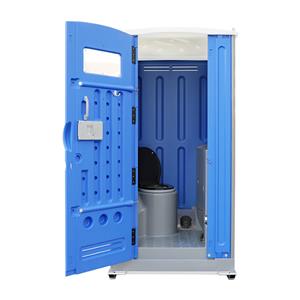
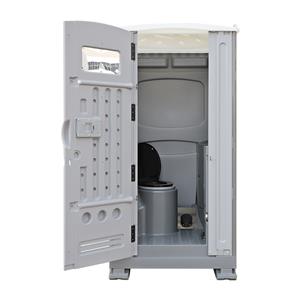
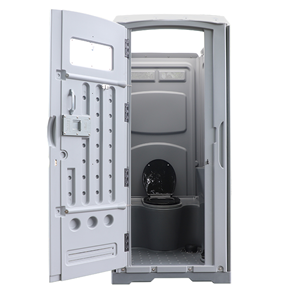
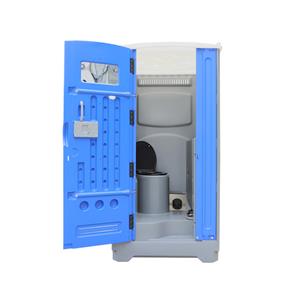
Portable Flush Toilet / portable toilets mobile plastic — self-contained toilet cabins with integrated flush and waste tanks for remote sanitation.
Portable Isolation Room — modular units made for medical isolation, with insulation and ventilation features suitable for temporary clinical spaces.
Across these categories, manufacturers design for repeated moves, long outdoor exposure, and low maintenance. When you compare models, focus on material, transport features, tank capacities (for sanitation units), insulation and ventilation (for isolation rooms), and warranty/support.
Why Operators Choose Portable Houses — Core Benefits
Operators and procurement managers choose portable houses because they solve three interlocking problems: time, cost, and practicality. Here’s how they deliver on each.
1. Rapid Deployment Saves Time
Portable houses arrive largely assembled or in modular sections and require little civil work. You can place them on flat ground, connect minimal utilities, and start using the space within hours. This speed matters for construction site offices, emergency shelters, or pop-up medical rooms.
2. Lower Upfront and Lifecycle Costs
Compared with building a permanent structure, a portable house reduces upfront capital and shortens deployment timelines. Durable materials, such as HDPE shells, reduce maintenance and replacement frequency, lowering total cost of ownership. The rotomoulded HDPE options resist rust, dents and mildew and often come with realistic delivery times and production capacities from manufacturers.
3. Mobility & Flexibility
Because most portable houses include forklift pockets, anchor points, or modular connectors, you can relocate them as project needs change. This flexibility makes them ideal for phased construction sites, rotating event sites, or mobile health campaigns.
4. Purpose-Built Features (Sanitation & Isolation)
Specialised portable houses, such as portable flush toilets and portable isolation rooms, bring domain-specific design: integrated flush and waste tanks for toilets; insulation, air filtration and positive/negative pressure options for medical isolation. These specialised configurations let you meet operational and regulatory requirements without building permanent infrastructure.
The Technical Advantages — What Makes a Good Portable House (Deep Dive)
You should treat a portable house as engineered equipment, not as a hastily assembled box. The technical details determine durability, serviceability, and user comfort. Below I list the specific technical attributes to prioritise and explain why each matters.
Material & Shell Construction: HDPE and Rotomoulding
Choose models constructed from High-Density Polyethylene (HDPE) when you want long outdoor life with minimal maintenance. Rotomoulded HDPE produces a seamless shell that resists UV, rust and denting, and performs well in humid or saline environments. Manufacturers often highlight that HDPE walls “will not rust, fade, dent, mildew or peel easily,” a valuable trait for outdoor, long-term deployments.
Why HDPE matters in practice:
Seamless shell → fewer leak/ingress points.
UV resistance → preserved color and structural integrity.
Light weight relative to steel or concrete → easier transport.
Modularity & Expandability
Modern portable houses often use modular design that allows you to expand length or combine units. The TOPPLA TPH-W02 example specifically allows length expansion and flexible configuration. That design flexibility helps sites scale capacity without buying entirely new units.
Insulation, Ventilation & Comfort (for Living / Isolation Units)
For living cabins or Portable Isolation Room deployments, thermal and airflow management matter. Look for products with:
Effective insulation (walls/roof/floor) to reduce heating/cooling load.
Purposeful ventilation paths and options for HEPA filtration or mechanical ventilation for isolation uses. Modular isolation rooms in the market show full ventilation design and optional air purifiers for infection control.
Sanitation Engineering: Portable Flush Toilet Design
If you specify portable flush toilet or portable toilets mobile plastic, technical features to check include:
Fresh (flush) water tank capacity and waste tank capacity—larger tanks reduce service frequency. Product listings show configurations such as 160 L flush and 400 L waste in certain models.
Pump & valve design — robust pumps, accessible service points, and reliable seals reduce downtime and leaks.
Ventilation & odour control — a good venting system and internal materials that resist staining and retain low odour levels keep users comfortable.
Service access — dedicated access hatches, drain outlets, and clearly labelled service components accelerate servicing cycles and improve operator safety.
Structural Handling & Transport Features
Durability matters in transit. Look for:
Forklift pockets or crane lifting rings built into the base.
Reinforced base plates to handle frequent lifting.
Tie-down points for secure transport.
TOPPLA models often list forklift and crane handling features as standard, which reduces damage risk during frequent moves.
Surface & Interior Materials — Cleanability and Hygiene
Choose smooth interior surfaces that clean easily, and fixtures that resist corrosion. For toilet cabins, integrated basins, stainless fittings, and anti-slip floor textures help hygiene and safety. These small choices limit labour time spent cleaning and reduce chemical usage.
Real User Concerns — What Buyers Ask (Concise Answers)
I wrote this section from a buyer’s viewpoint — short, direct answers you can use for procurement checklists or FAQs.
Q: How long will an HDPE portable house last outdoors?
A: With proper use and UV-stabilised HDPE, expect several years of service — commonly 5–10 years depending on exposure and maintenance. Manufacturers list long life and UV resistance as core product claims.
Q: Do portable flush toilets require plumbing?
A: No. Most portable flush toilet cabins include fresh water and waste tanks and only need periodic emptying and water refills — no permanent sewer connection required.
Q: Can I expand portable houses later?
A: Yes. Many systems use modular expansion so you can add length or combine units as needs grow. TOPPLA lists free expansion on certain models.
Q: What special features do portable isolation rooms include?
A: Isolation rooms typically include enhanced ventilation, flame-retardant interiors, and options for anteroom/airlock configurations and filtration systems to control contamination.
Q: How often do sanitation units need servicing?
A: It depends on usage and tank sizes. High-traffic sites may require daily servicing; lower usage sites can become weekly. Choose larger tank capacities to reduce visit frequency.
Q: Are spare parts and service available?
A: Good suppliers provide spare parts and service guidance. Always confirm local support or spare-parts lead times before purchasing.
Practical Selection Checklist — How to Compare Models (Actionable)
Use this checklist when evaluating bids or product pages.
Material & Construction — HDPE rotomoulding? UV stabilisation? Reinforced base?
Transport Features — forklift pockets, crane lugs, tie-down points.
Tank Capacities (if sanitation) — flush and waste tank volumes, drain locations.
Ventilation & Insulation (for living/isolation) — ventilation design, thermal ratings, filtration options.
Service Access — hatches, removable panels, labelled service points.
Warranty & Production Lead Time — check warranty lengths and manufacturer lead times; TOPPLA lists typical 10–15 day delivery cadence for some models.
Accessory Fit — sinks, lighting, electrical sockets, HVAC options.
Regulatory & Safety — fire retardance and non-toxic materials for medical use; confirm compliance with local codes for temporary structures.
Use Cases & Deployment Examples (How Teams Use Portable Houses)
Below are practical scenarios and specific rationales for choosing portable houses.
Construction Site Offices & Dorms
On large construction projects, teams often rotate and need temporary offices, meeting rooms and rest spaces. Portable houses offer climate control, lockable storage and fast redeployment as the job progresses.
Event Support & Security Posts
Festival organisers use portable houses as backstage offices, first aid posts, and security cabins. For these uses, mobility and quick hook-up to power are key.
Remote Camps & Mining Operations
In remote operations, robust storage houses and living cabins built from HDPE resist corrosion and require less maintenance than metal containers — crucial where support infrastructure is thin.
Healthcare & Emergency Response (Portable Isolation Room)
When outbreaks, disaster response or temporary triage capacity become necessary, isolation rooms let teams isolate patients, control airflow, and create sterilised anterooms. Modular isolation rooms give hospitals quick surge capacity with clear infection-control features.
Mobile Sanitation Hubs (Portable Flush Toilet)
For sites with high personnel counts (film sets, festivals, camps), placing portable flush toilet cabins with large waste tanks reduces service frequency, improves hygiene and enhances the user experience compared with basic bucket or chemical toilets.
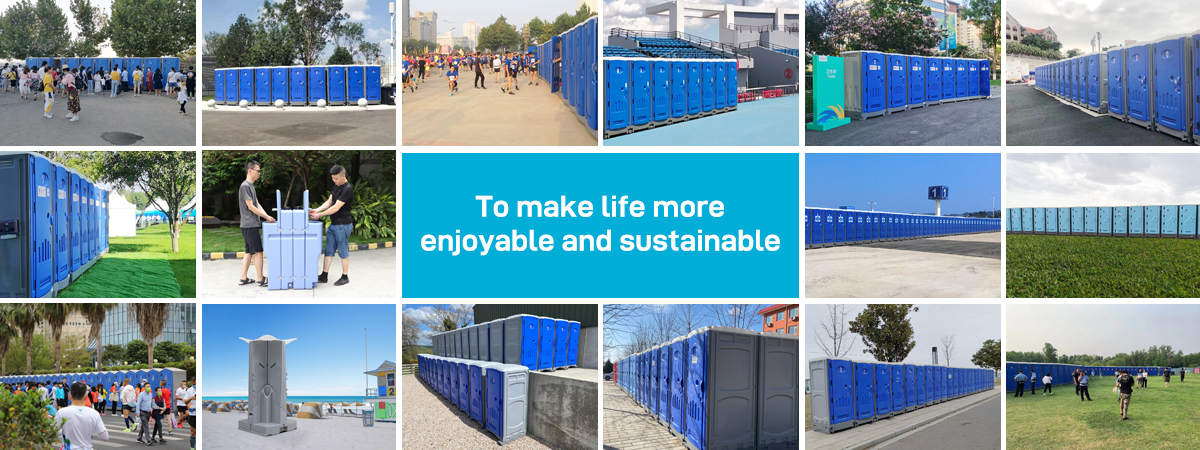
Installation & Servicing Best Practices (Operator Guidance)
Once you procure a portable house, follow these practical rules to protect your investment.
Choose firm, level ground — short term pads, gravel beds, or asphalt work best.
Secure anchor points — even freestanding units need tie-downs in high wind areas.
Plan servicing intervals — base your schedule on expected usage and tank sizes for sanitation units.
Train service staff — quick access to waste tanks, pumps and valves reduces service time and risk.
Inspect seals and vents regularly — preventive checks stop leaks and odour issues.
Use recommended cleaning chemicals — manufacturer guidance reduces material wear.
Why Technical Quality Matters — Evidence from Product Specs
To make choices that save money, you have to read specifications. Here are three practical spec examples that matter in procurement and have real operational impacts:
HDPE Shell & Expandability — A top portable storage house model lists HDPE rotomoulded shell and freely expandable length, enabling longer field life and future capacity growth. That combination reduces replacement cycles and supports staged project expansion.
Flush and Waste Tank Volumes — A portable flush toilet spec shows a 160 L water tank with a 400 L waste tank. Larger waste tanks mean fewer emptyings and better service economics for high use sites.
Isolation Room Ventilation Options — Modular isolation rooms include options for HVAC, air filtration and negative pressure configurations that make temporary clinical spaces safer and more compliant. If infection control matters, that design detail becomes decisive.
These concrete specifications clarify why some models cost more but deliver lower lifecycle cost and fewer logistical headaches.
Cost Considerations & Total Cost of Ownership (TCO) View
Price often dominates procurement decisions, but TCO tells the fuller story. To calculate TCO, include:
Purchase price and shipping.
Expected life (years) based on material and exposure.
Servicing costs (emptying, cleaning, parts).
Downtime costs (if units fail during events).
Depreciation and resale value.
Often, a slightly higher-priced HDPE portable house with good transport features and generous tank capacity yields lower TCO by reducing servicing frequency, replacement cycles, and labour hours.
Environmental & Sustainability Notes
HDPE is durable and recyclable. Choosing durable, repairable cabins reduces landfill waste. Additionally, portable flush toilet designs that optimise flush volumes and use efficient pumps use less water per use, and larger tanks reduce service-vehicle mileage which lowers emissions.
Common Mistakes to Avoid (From Field Experience)
Buying based solely on lowest price — you’ll pay later in service calls.
Under-sizing tanks for high-traffic sites — results in daily emptying and higher operating costs.
Ignoring transport features — without forklift pockets, moving units becomes costly and risky.
Skipping ventilation/insulation requirements for isolation or living units — this affects comfort and regulatory compliance.
Final Checklist Before You Buy (Short & Actionable)
Confirm HDPE rotomoulding and UV stabilisation.
Verify forklift/crane handling features.
Check flush/waste tank sizes for toilets and select accordingly.
For isolation rooms, confirm ventilation and filtration options.
Ask about warranty, spare parts, and delivery lead time.
Conclusion
A well-engineered Portable House offers much more than a temporary shelter: it provides a transportable infrastructure platform that saves time, reduces lifecycle cost, and improves user safety and comfort. Whether you need an HDPE Portable Storage House to protect equipment, a portable flush toilet to manage site sanitation, or a Portable Isolation Room for temporary clinical needs, choose models that prioritise material quality, transport features and serviceability. Those technical choices will pay off in real operational efficiency.
If you want, I can now:
Produce a shorter 1,000–1,500 word version for email/newsletter; or
Create a model comparison table (Excel/CSV) for procurement; or
Generate a Chinese translation of this article for your local market.