
Sourcing Durable Portable Cabins for Business Needs
Settings Where Portable Cabins Deliver Value
Relocatable HDPE structures shine in environments needing fast-setup infrastructure that moves with changing demands.
Entry and Security Monitoring
Portable guard booths anchor checkpoints at industrial parks, parking facilities, schools, or residential gates. Models like the TPT-L05 (1.05x1x2.3m) include acrylic windows for clear sightlines, lockable doors, and compact footprints—allowing guards to monitor traffic effectively while sheltered from elements.
Site Management and Welfare Areas
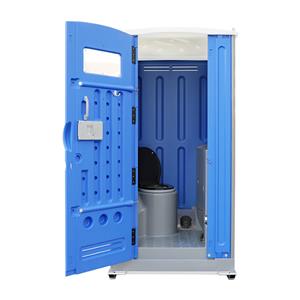
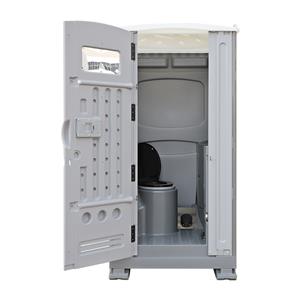
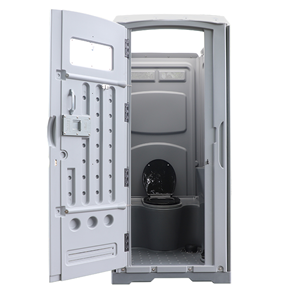
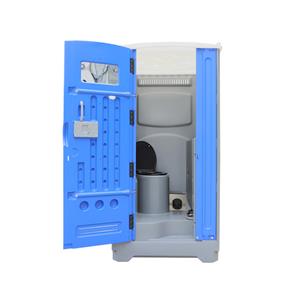
Development zones use cabins as on-site offices, break spaces, or sanitation hubs. Integrating a portable flush toilet turns a basic Portable House into a self-sufficient unit, meeting worker requirements without delaying progress.
Health and Containment Setups
Portable Isolation Rooms, such as the TPH-W02 with its openable windows and ridge skylight, support testing sites, overflow care, or quarantine needs. The sealed, easy-clean HDPE surfaces and natural lighting/ventilation maintain controlled spaces rapidly.
Equipment and Material Protection
HDPE Portable Storage Houses safeguard tools, supplies, or vehicles on farms, warehouses, or relief operations. The expandable length of models like TPH-W02 allows scaling to fit varying inventories, with high-pitched roofs shedding water efficiently.
Short-Term Venues and Pop-Ups
Markets, exhibitions, or community events deploy cabins as info desks, ticket stations, or control points. Their mobility means setup in hours and removal without trace.
Modular connectivity—joining units side-by-side—further extends possibilities for larger temporary complexes.
Hurdles Buyers Face with Temporary Buildings
Sourcing relocatable structures reveals consistent issues affecting longevity, deployment, and budgets. Premium HDPE Portable Houses counter many through material and design choices.
Weather and Wear Vulnerability
Metal or wood alternatives rust, rot, or dent under rain, sun, or impacts. Rotomolded HDPE proves rust-proof, fade-resistant, and dent-tolerant, preserving appearance and function outdoors long-term.
Installation Delays and Complexity
Fixed builds tie up resources; flimsier portables demand extensive assembly. One-piece or minimal-bolt HDPE cabins often ready in hours, minimizing labor and project interruptions.
Sanitation and Comfort Shortfalls
Units without facilities force separate arrangements, complicating compliance. Options incorporating portable flush toilets or ventilation deliver turnkey welfare solutions.
Relocation and Shipping Challenges
Bulky or fragile designs drive up transport costs and risks. Lighter HDPE weights (around 100kg for booths) plus forklift-friendly bases and potential nesting streamline global freight for importers.
Market Differentiation Limits
Standardized cabins hinder unique positioning. Suppliers enabling molded logos, color variants, or interior modifications help OEM and brand clients craft standout products.
Navigating these proactively yields smoother sourcing and stronger returns.
Factors That Matter in Professional Evaluation
Distributors and importers prioritize traits ensuring stock reliability and appeal.
Core Material Performance
Seamless rotomolded HDPE offers exceptional impact absorption, waterproofing, and sanitization ease compared to welded metals or composites. UV additives prevent cracking over years.
Layout and Scale Options
Compact security-focused portable guard booths (1-1.5m bases) suit single posts; expandable HDPE Portable Storage Houses accommodate growth. Height and window placements tailor visibility or airflow.
Integrated Functionality
Lockable entries, tinted glazing, electrical conduits, or portable flush toilet readiness add practicality. Skylights and vents in isolation models enhance interior conditions naturally.
Ease of Handling and Setup
Minimal parts, clear instructions, and lifting points cut deployment time. Stackability optimizes container loads for bulk purchases.
Assurance and Ongoing Support
A 6-year structural warranty demonstrates build quality. Responsive manufacturers supply parts, drawings, and production flexibility for sustained partnerships.
Adaptation for Branding
Pantone-matched exteriors, embedded branding, shelving kits, or custom portals allow private-label creation essential for competitive edges.
Regulatory Fit
Designs aligning with safety, insulation, or hygiene norms ease entry into varied markets.
These criteria guide toward inventory that endures and sells.
Practical Specification Guidelines
Drawing from Toppla models and field feedback, these targets optimize utility.
Footprint and Capacity Benchmarks
Security Booths: Around 1050x1000x2300mm (TPT-L05 style)—tight yet functional for portable guard booths.
Storage/Isolation: Expandable lengths with high roofs (TPH-W02)—for HDPE Portable Storage Houses or Portable Isolation Rooms.
Weight and Transport Targets
Typical: 100–200kg range—manageable for teams or machinery.
Build Specifics
Body: Single-mold HDPE walls/roof with insulation potential.
Foundation: Integrated or optional elevated bases.
Feature Suggestions
Baseline: Aluminum doors, acrylic/tinted windows, locks, hooks.
Enhancements: Skylights, operable vents, internal wiring, portable flush toilet ports, shelving.
Operational Expectations
Erection: 2–6 hours depending on size.
Durability: Decade-plus service, 6-year coverage.
Environment: Full outdoor, extreme weather tolerance.
Security applications favor window-rich, compact portable guard booths. Storage leans expandable with secure access. Health setups prioritize ventilation in Portable Isolation Rooms. Custom runs refine dimensions or integrations.
These provide balanced, high-demand products.
Sourcing Traps to Watch For
Common oversights impact quality and profitability.
Prioritizing Rock-Bottom Pricing
Low-grade materials lead to rapid degradation. HDPE upfront costs save through reduced failures.
Misfitting Size to Application
Oversmall cabins constrain use; overlarge waste space. Map intended roles precisely.
Skipping Environmental Protections
Unstabilized plastics brittle in sun. Confirm UV and impact ratings.
Neglecting Freight Efficiency
Non-optimizable shapes balloon shipping. Select designs that nest or flat-pack.
Delaying Customization Discussions
Retrofits prove expensive. Plan branding or features early in supplier talks.
Steering clear preserves efficiency and client trust.
Closing Perspective
Well-chosen Portable Houses—encompassing portable guard booths, HDPE Portable Storage Houses, Portable Isolation Rooms, and portable flush toilet-equipped variants—offer efficient answers for security, storage, health, and site demands. Rotomolded HDPE brings resilience, rapid setup, and adaptation that traditional options struggle to match, all reinforced by solid warranties and B2B-oriented production.
For importers scaling supply, wholesalers diversifying ranges, brand builders establishing identity, or OEM partners innovating specs, aligning with capable designs unlocks operational advantages and market opportunities. Quality temporary structures remain foundational in fluid industries.
Interested in exploring models, volumes, or tailored developments? We're positioned to collaborate on your requirements.
Frequently Asked Questions
Why HDPE for portable cabins?
Rotomolding creates seamless, impact-resistant shells that resist rust, UV damage, mildew, and peeling—delivering maintenance-free longevity outdoors.
How long does assembly take?
Compact portable guard booths like TPT-L05 often ready in hours; larger or expandable units in half a day with basic crews.
Do models support toilet integration?
Certain configurations accommodate portable flush toilets for standalone sanitation in welfare or remote setups.
Is OEM customization feasible?
Yes—ranging from colors and logos to window placements, interiors, and modular expansions for branded lines.
What's the standard warranty?
A comprehensive 6 years covers structure and materials on Toppla Portable House products.