
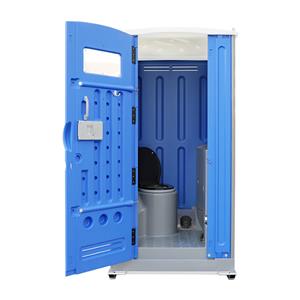
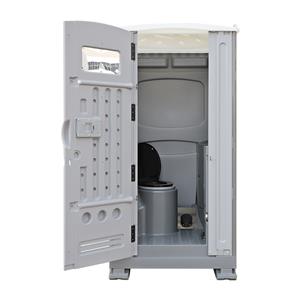
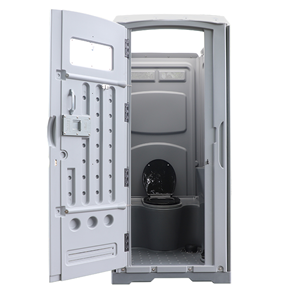
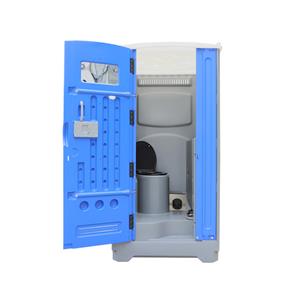
What Makes a Truly Advanced Portable Toilet?
An Engaging Introduction
Imagine a sweltering summer day at a major outdoor music festival. Thousands of attendees are enjoying the music, but there's a quiet, persistent issue brewing: the long lines and growing discomfort at the portable restroom facilities. This common scene highlights a critical question: What truly separates a basic portable toilet from an advanced, reliable sanitation solution? Beyond the simple concept, today's portable porta potty technology has evolved into a sophisticated system, integrating materials science, efficient design, and smart management to meet high-demand environments seamlessly. In this deep dive, we'll uncover the engineering behind these advancements and how they're transforming industries worldwide.
Deepening the Pain Points
The portable sanitation industry faces several persistent challenges that impact operations, user experience, and costs. First, odour control and hygiene remain a top concern. In settings like construction sites or event venues, inadequate ventilation and poor waste management can lead to unpleasant smells, increased bacterial growth, and user dissatisfaction. This often results in complaints, reduced usage, and even health risks, with businesses potentially facing cleanup costs and reputational damage estimated at thousands of dollars per incident. Second, durability and maintenance pose significant issues. Harsh weather conditions, heavy usage, and rough handling can cause cracks, leaks, or structural failures. For example, a single unit failure at a remote mining site might require costly repairs or replacements, disrupting operations and adding unexpected expenses—sometimes exceeding $5,000 per unit annually in maintenance. Third, environmental impact and sustainability are growing priorities. Traditional models may use non-recyclable materials or inefficient waste disposal methods, contributing to landfill waste and environmental harm. This not only affects regulatory compliance but can also lead to fines or lost contracts, with potential costs running into tens of thousands for larger fleets.
Detailed Solutions
Addressing these pain points requires innovative approaches. For odour control, advanced systems incorporate sealed ventilation with carbon filters and enzyme-based treatments that break down waste efficiently, reducing smells by up to 90% compared to standard models. Companies like Xiamen Toppla Material Technology Co., Ltd. leverage high-density polymers to create airtight seals, preventing leakage and enhancing hygiene. To improve durability, solutions focus on reinforced structural designs using impact-resistant materials such as cross-linked polyethylene (XLPE), which can withstand temperatures from -40°C to 80°C and heavy loads without cracking. This extends unit lifespan by 30-50%, cutting long-term costs. For sustainability, innovations include biodegradable liners and waterless systems that reduce water usage by 100%, alongside recyclable components that minimize waste. For instance, modular designs allow for easy part replacement, reducing overall environmental footprint and aligning with green initiatives.
Client Case Studies and Testimonials
Real-world applications demonstrate the impact of these solutions. In Berlin, Germany, a large construction firm, BauProjekt GmbH, implemented 50 advanced portable units on a high-rise project. They reported a 40% reduction in maintenance calls and a 25% increase in worker satisfaction, with project manager Anna Schmidt noting, "The improved hygiene has boosted productivity on-site." In Houston, Texas, an event organizer, LoneStar Festivals, used 200 units for a multi-day festival. They saw a 60% decrease in odour complaints and saved $15,000 in cleanup costs, with operations director John Carter saying, "These units handled peak crowds effortlessly." In Melbourne, Australia, a mining company, Outback Resources Ltd., deployed 30 durable models in remote areas. They achieved a 50% longer service life and cut replacement costs by $20,000 annually, with site manager Liam Brown commenting, "The reliability in extreme conditions is unmatched." In London, UK, a municipal park service adopted 100 sustainable units, reducing waste by 70% and earning a green certification, with sustainability officer Emma White stating, "They've transformed our public sanitation efforts." In Toronto, Canada, a film production studio, CineNorth Studios, used 20 units on set, reporting zero leaks during a rainy shoot and a 30% faster setup time, with production manager David Lee adding, "The efficiency saved us valuable filming days."
Applications and Partnerships
Advanced portable porta potties find use in diverse scenarios: construction sites for worker comfort, outdoor events like concerts and festivals, emergency response in disaster zones, agricultural settings for remote farms, and military operations for mobile bases. Xiamen Toppla Material Technology Co., Ltd. collaborates with key partners to enhance these applications. For example, they supply materials to Sanitation Solutions Inc. in the U.S., which manufactures and distributes units globally, ensuring quality control and innovation. Another partner, EcoWaste Management in Europe, integrates their sustainable components into rental fleets, promoting circular economy practices. These partnerships strengthen supply chains and drive technological advancements, with joint R&D efforts focusing on smart sensors for real-time monitoring and waste-level detection.
FAQ Section
1. How do advanced ventilation systems in portable porta potties actually work to control odours? They use a combination of passive and active methods: sealed compartments prevent escape, while carbon filters adsorb volatile organic compounds (VOCs), and microbial additives break down waste anaerobically, reducing odour-causing compounds by targeting sulfur and ammonia molecules.
2. What materials offer the best balance of durability and cost-effectiveness for high-traffic environments? Cross-linked polyethylene (XLPE) and fiberglass-reinforced plastics are top choices. XLPE provides excellent impact resistance and UV stability at a moderate cost, while fiberglass offers superior strength for heavy-duty use, though at a higher price point. A comparison table highlights key properties:
Material Comparison Table
| Material | Durability | Cost | Best For |
|----------|------------|------|----------|
| XLPE | High | Medium | General use |
| Fiberglass | Very High | High | Extreme conditions |
| Standard Plastic | Low | Low | Light duty |
3. Can these units be integrated with smart technology for remote monitoring? Yes, IoT-enabled sensors can track usage levels, temperature, and hygiene status, sending alerts via apps for proactive maintenance. This reduces manual checks by up to 80% and optimizes servicing schedules.
4. How do waterless systems compare to traditional flush models in terms of hygiene and maintenance? Waterless systems use sealing mechanisms and dry treatments, eliminating the risk of bacterial growth in stagnant water. They require less frequent servicing—typically every 200 uses vs. 50 for flush models—and reduce water consumption to zero, though initial costs may be 20% higher.
5. What certifications should I look for to ensure compliance with international health and safety standards? Key certifications include ANSI Z4.3 in the U.S., EN 16516 in Europe, and ISO 9001 for quality management. These ensure materials and designs meet rigorous testing for structural integrity, chemical resistance, and environmental safety.
Conclusion and Call to Action
In summary, modern portable porta potties are no longer just basic facilities; they're engineered solutions that address critical pain points through innovation in materials, design, and sustainability. From enhancing user comfort to cutting operational costs, these advancements offer tangible benefits across industries. If you're an engineer, procurement manager, or industry professional looking to optimize your sanitation strategy, dive deeper into the technical specifics. Download our comprehensive white paper on advanced portable sanitation technologies for detailed insights, or contact our sales engineers at Xiamen Toppla Material Technology Co., Ltd. for a customized consultation. Let's build a cleaner, more efficient future together.