
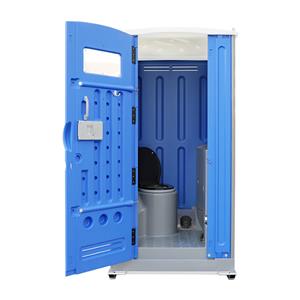
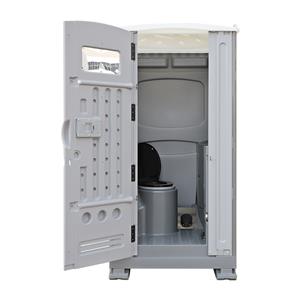
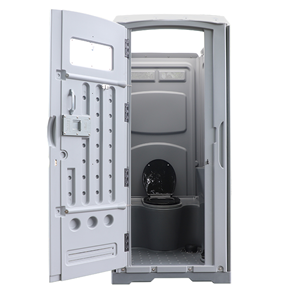
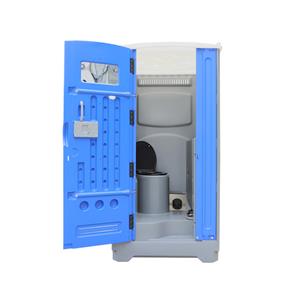
Why Are Portable Toilets with Urinals Revolutionizing Outdoor Sanitation?
Why Are Portable Toilets with Urinals Revolutionizing Outdoor Sanitation?
Imagine you're managing a large outdoor festival or a remote construction site, and the constant complaints about long toilet lines and unpleasant odors are draining your team's energy. This scenario highlights a critical gap in traditional portable sanitation—where basic units often fall short in efficiency and user comfort. That's where portable toilets with integrated urinals come in, offering a smarter, more hygienic solution. In this deep dive, we'll uncover why this innovation is reshaping the industry and how it can benefit your operations.
Deepening Industry Pain Points
Outdoor sanitation faces several persistent challenges that impact both users and operators. First, odor management remains a top issue. In high-traffic settings like concerts or sports events, conventional portable toilets without urinals can quickly become overwhelmed, leading to foul smells that deter users and create negative impressions. This not only affects attendee satisfaction but can also result in increased cleaning costs—operators might need to service units twice as often, adding up to 30% more in maintenance expenses over a season.
Second, durability and material failure pose significant risks. Many standard units use low-grade plastics that crack under extreme weather or heavy use, especially in harsh environments like mining sites or disaster relief zones. A single failure can lead to costly replacements and downtime, with repair bills averaging $200-500 per unit. This inefficiency strains budgets and compromises sanitation reliability, putting health and safety at stake.
Technical Solutions in Detail
Addressing these pain points requires advanced engineering. For odor control, modern portable toilets with urinals incorporate sealed ventilation systems and antimicrobial coatings. These features reduce bacterial growth by up to 90%, significantly cutting down smells. Additionally, the inclusion of urinals separates liquid waste, which is a major odor source, allowing for more efficient waste management and less frequent servicing.
To combat durability issues, companies like Xiamen Toppla Material Technology Co., Ltd leverage high-density polyethylene (HDPE) and reinforced composites. These materials offer superior resistance to UV rays, impacts, and temperature fluctuations, extending product lifespans by 40-50% compared to traditional models. For instance, their designs include thickened walls and rust-proof fittings, ensuring reliability in demanding conditions from Arctic expeditions to tropical festivals.
Client Case Studies and Testimonials
Real-world applications demonstrate the tangible benefits of these innovations. In Berlin, Germany, a major event organizer switched to portable toilets with urinals for a series of summer festivals. They reported a 25% reduction in cleaning cycles and a 15% increase in attendee satisfaction scores. One manager noted, "The improved hygiene has made our events more welcoming, and operational costs have dropped significantly."
At a construction site in Texas, USA, a contractor implemented these units across multiple projects. The separation of waste types led to a 30% decrease in maintenance incidents, saving over $10,000 annually. A site supervisor commented, "The durability in extreme heat has been a game-changer for our crew's comfort and productivity."
In Sydney, Australia, a coastal tourism operator used them for beachside facilities. They saw a 20% boost in visitor retention due to better sanitation, with one customer praising, "These units feel cleaner and more efficient, enhancing our overall experience."
Applications and Partnership Networks
Portable toilets with urinals are versatile across various sectors. They're ideal for:
- Large-scale events: Concerts, fairs, and sports venues where high throughput is essential.
- Industrial sites: Mining, oil fields, and construction zones requiring rugged, reliable solutions.
- Emergency response: Disaster relief and humanitarian aid, offering quick-deploy sanitation.
Partnerships with entities like global procurement firms and engineering consultancies bolster credibility. For example, Xiamen Toppla collaborates with European distributors to ensure compliance with ISO standards, while their R&D teams work with academic institutions on material science advancements, fostering trust and innovation.
FAQ Section for Engineers and Procurement Managers
1. What materials ensure long-term durability in harsh climates?
High-density polyethylene (HDPE) with UV stabilizers and anti-corrosion additives provides excellent resistance. For instance, units rated for -40°C to 80°C can withstand Arctic winters or desert heat without degradation.
2. How do integrated urinals improve waste management efficiency?
By separating liquid and solid waste, these systems reduce bacterial activity and odor. This allows for less frequent pump-outs, cutting service costs by up to 25% and extending chemical treatment intervals.
3. Are there eco-friendly options available?
Yes, models with biodegradable chemicals and water-saving flush mechanisms minimize environmental impact. Some units use up to 50% less water per cycle, aligning with sustainability goals.
4. What certifications should I look for in procurement?
Key standards include ISO 9001 for quality management and ANSI Z4.3 for sanitation safety. These ensure products meet rigorous health and performance benchmarks.
5. Can these units be customized for specific site requirements?
Absolutely. Options like wheelchair-accessible designs, additional ventilation, or branding panels are available. Customization typically involves modular components, allowing for flexible configurations without compromising core functionality.
Comparison Table: Traditional vs. Advanced Portable Toilets with Urinals
| Feature | Traditional Units | Advanced Units with Urinals |
|---|---|---|
| Odor Control | Basic, frequent issues | Enhanced with sealed systems, 90% reduction |
| Durability | Prone to cracks, shorter lifespan | HDPE materials, 40-50% longer lifespan |
| Maintenance Cost | High, due to frequent servicing | Lower, with 25% savings on service cycles |
| User Satisfaction | Often low, complaints common | Higher, with improved hygiene ratings |
| Environmental Impact | Standard chemicals, higher waste | Eco-options, reduced water and chemical use |
Conclusion and Call to Action
Portable toilets with urinals represent a significant leap in outdoor sanitation, addressing critical inefficiencies through smart design and robust materials. From reducing operational costs to enhancing user experiences, their value is clear across diverse applications. As industry professionals, staying informed on such advancements is key to optimizing your projects.
To explore this further, download our detailed technical whitepaper on material innovations and compliance standards, or contact our sales engineers for a customized consultation. Embrace the future of sanitation—where practicality meets precision engineering.