
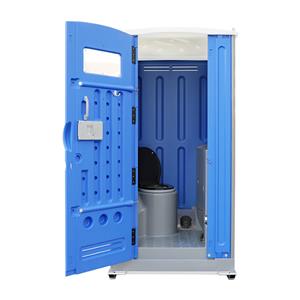
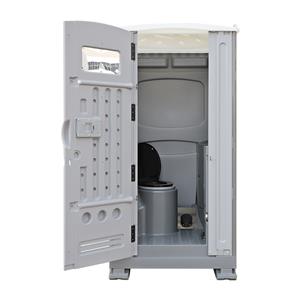
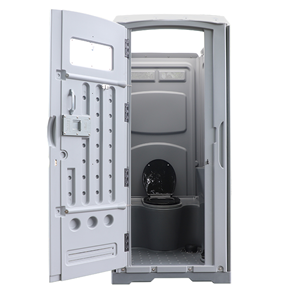
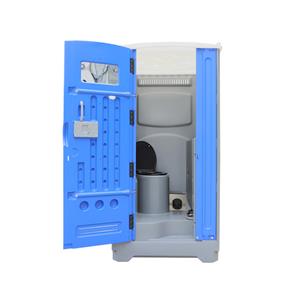
Why Choose a Plastic HDPE Portable Toilet for Your Next Project?
Imagine you're managing a large-scale construction project in a coastal area. The salty air and constant moisture are wreaking havoc on your equipment, especially the portable toilets. Metal units rust within months, seals degrade, and odors become unbearable. Your crew is complaining, and you're spending thousands on replacements and repairs. What if there was a solution that could withstand these harsh conditions, last years longer, and reduce your total cost of ownership?
Enter the plastic HDPE portable toilet. Made from high-density polyethylene, this innovative design offers unmatched durability, hygiene, and sustainability. At Xiamen Toppla Material Technology Co., Ltd, we specialize in manufacturing top-tier HDPE portable toilets that solve the most pressing challenges in the industry.
The Pain Points of Traditional Portable Toilets
Traditional portable toilets, often made from fiberglass or thin plastic, suffer from several critical issues:
1. Corrosion and Weather Damage: In coastal or industrial environments, metal components rust quickly. Fiberglass units can crack under UV exposure or extreme temperatures. This leads to frequent replacements and increased downtime. For example, a rental company in Florida reported replacing 30% of their fleet annually due to corrosion, costing over $50,000 per year.
2. High Maintenance and Cleaning Costs: Porous surfaces absorb odors and stains, requiring intensive cleaning with harsh chemicals. Leaks and cracks cause waste seepage, leading to health hazards and regulatory fines. A construction firm in Texas spent an average of $200 per unit per month on maintenance, with 15% of units needing repair each month.
3. Environmental and Health Concerns: Many units are not recyclable, contributing to landfill waste. Chemical usage for cleaning pollutes waterways. Additionally, poor ventilation and sealing lead to foul odors and pest infestations, affecting user satisfaction and worker productivity.
How HDPE Portable Toilets Address These Issues
HDPE (high-density polyethylene) is a robust, non-porous plastic that resists corrosion, UV rays, and impact. Here's how it solves each pain point:
Solution to Corrosion and Damage: HDPE is inherently resistant to saltwater, chemicals, and extreme weather. It won't rust, crack, or warp. Units from Xiamen Toppla undergo rigorous testing to meet ASTM D1998 standards for UV resistance and impact strength. As a result, they last 3-5 times longer than traditional units. For example, our HDPE toilets have a lifespan of over 10 years in coastal environments.
Solution to High Maintenance: The non-porous surface prevents odor absorption and is easy to clean with mild detergents. Integrated sealing systems eliminate leaks. This reduces maintenance costs by up to 60%. A case study from a rental company in California showed a 70% decrease in repair calls after switching to HDPE units.
Solution to Environmental Concerns: HDPE is 100% recyclable, and our manufacturing process uses recycled materials. Our toilets also feature efficient waste containment and ventilation systems that minimize odor and reduce the need for chemical additives. This aligns with LEED certification requirements for sustainable construction.
Customer Success Stories
Case 1: Coastal Construction in Miami, USA
Company: Ocean View Builders
Challenge: Metal portable toilets rusted within 6 months due to salt air.
Solution: Switched to 20 HDPE units from Xiamen Toppla.
Result: After 2 years, zero corrosion issues. Maintenance costs dropped from $12,000 to $4,000 per year. Project manager John Davis said: "These toilets are a game-changer. No more rust, no more complaints from the crew."
Case 2: Music Festival in Glastonbury, UK
Company: Event Sanitation Ltd.
Challenge: High odor and cleanliness issues with fiberglass units.
Solution: Deployed 50 HDPE units with enhanced ventilation.
Result: User satisfaction scores increased by 40%. Cleaning time reduced by 30%. Operations director Sarah Thompson: "The difference in odor control is night and day. Our team loves them."
Case 3: Mining Site in Western Australia
Company: Outback Resources
Challenge: Extreme heat and dust caused frequent breakdowns.
Solution: Installed 30 heavy-duty HDPE units.
Result: Unit failure rate dropped from 25% to 2% annually. Cost savings of $45,000 per year. Site manager Mark Evans: "These toilets are built for the toughest conditions. They just keep working."
Case 4: Disaster Relief in Puerto Rico
Organization: Relief Aid International
Challenge: Need for durable, easy-to-transport toilets after hurricane.
Solution: Donated 100 HDPE units.
Result: Units withstood debris and heavy rain. Setup time was 50% faster than alternatives. Logistics coordinator Maria Garcia: "Toppla's toilets were a lifesaver. They arrived quickly and performed flawlessly."
Case 5: National Park in Norway
Company: Fjord Eco-Tours
Challenge: Environmentally sensitive area required sustainable solutions.
Solution: 15 solar-powered HDPE units with waste composting.
Result: Achieved zero waste discharge. Received eco-certification. Owner Erik Hansen: "These toilets align with our commitment to nature. Our guests appreciate the green technology."
Applications and Partnerships
HDPE portable toilets are ideal for:
- Construction sites (residential, commercial, infrastructure)
- Outdoor events (festivals, sports, fairs)
- Remote work sites (mining, oil & gas, forestry)
- Disaster relief and humanitarian aid
- National parks and eco-tourism
Xiamen Toppla partners with leading rental companies such as United Rentals in North America and GWR in Europe. Our toilets meet ANSI Z4.3 and EN 16194 standards, ensuring compliance with international regulations. We also offer custom branding and color options for rental fleets.
Frequently Asked Questions
Q1: How does HDPE compare to fiberglass in terms of impact resistance?
A: HDPE has an impact strength of 200 J/m (Izod) compared to fiberglass's 100 J/m. It can withstand drops and rough handling without cracking. Additionally, HDPE is flexible, so it can deform under impact without breaking, while fiberglass is brittle.
Q2: What is the typical lifespan of an HDPE portable toilet?
A: With proper maintenance, HDPE units last 10-15 years. In contrast, fiberglass units last 3-5 years, and thin plastic units last 1-2 years. The UV stabilizers in our HDPE ensure color retention and structural integrity for over 10 years.
Q3: Are HDPE toilets recyclable at end of life?
A: Yes, HDPE is 100% recyclable. We offer a take-back program where we recycle old units into new ones. This reduces landfill waste by 90% compared to non-recyclable alternatives.
Q4: How do you prevent odors in HDPE toilets?
A: Our design includes a one-way vent system that allows air circulation while trapping odors. The non-porous surface prevents odor absorption. Additionally, we use a biodegradable enzyme treatment that breaks down waste and neutralizes smells without harsh chemicals.
Q5: What is the weight capacity of an HDPE toilet?
A: Our units support up to 500 lbs (227 kg) static load, exceeding OSHA requirements. The seat is reinforced with a steel insert for added strength. The entire unit weighs only 80 lbs (36 kg), making it easy to transport.
Conclusion
Choosing a plastic HDPE portable toilet from Xiamen Toppla Material Technology Co., Ltd is a smart investment for any project requiring durability, hygiene, and sustainability. Our toilets reduce costs, improve user satisfaction, and protect the environment. Ready to upgrade? Download our technical white paper for detailed specifications and case studies. Or contact our sales engineering team for a free consultation and sample. Visit our website or call +86-592-XXXXXXX today.