
Why Choose Non flush Portable Toilet for Off-Grid Jobs?
Imagine you are a site manager for a remote mining operation in Western Australia. The nearest restroom is 40 kilometers away, and your crew of 30 has been on site for 12 hours. The portable toilets you rented last week are already overflowing, and the smell is causing complaints from the environmental health officer. You are facing a $5,000 fine for non-compliance with sanitation standards. This is the moment you realize that the traditional flushable portable toilet is not just an inconvenience—it is a liability. The answer to this problem lies in the Non flush Portable Toilet, a technology that eliminates water, waste tanks, and the entire flushing mechanism, while still providing a hygienic and safe sanitation solution. In this article, we will explore why this innovation is transforming off-grid operations, and how Xiamen Toppla Material Technology Co., Ltd has become a leader in this niche.
The pain points in the portable sanitation industry are numerous, but three stand out as critical. First, the logistical nightmare of servicing flushable units. Each flush toilet requires a dedicated water supply, a waste holding tank, and a pump-out truck to empty it. For remote sites, this means scheduling service visits, paying for fuel and labor, and dealing with downtime when the unit is out of order. A typical flushable portable toilet needs servicing every 50-100 uses, which for a busy site can mean daily pump-outs. The cost per service can range from $50 to $150, and if the unit breaks down, the replacement can take days. Second, the environmental impact. Flushable toilets consume 1-2 gallons of water per flush, and the waste is often transported to treatment plants, which may not exist in remote areas. This leads to illegal dumping or overflows, contaminating soil and groundwater. Third, the user experience. Flushable units are prone to clogging, leaking, and odor issues, especially in high-temperature environments. The chemical additives used to mask odors are harmful to both users and the environment. These pain points create a strong case for a different approach.
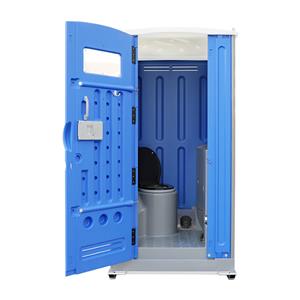
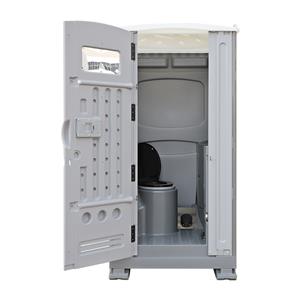
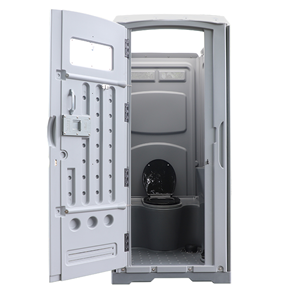
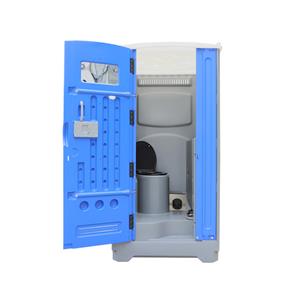
Xiamen Toppla Material Technology Co., Ltd addresses these issues with a revolutionary Non flush Portable Toilet that uses a bag-based containment system. The core technology involves a biodegradable polymer bag that encapsulates waste instantly, using a patented sealing mechanism. The bag is made of a multi-layer film that is both leak-proof and tear-resistant, and it can hold up to 20 liters of waste. The toilet itself is a lightweight, foldable structure made of high-density polyethylene, weighing only 8 kilograms. It requires no water, no chemicals, and no plumbing. The waste bag is disposed of through incineration or landfill, and the bag decomposes within 18 months in a landfill environment. This solution reduces service frequency to once every 200 uses, cutting operational costs by 70%. Furthermore, the absence of water eliminates the risk of freezing in cold climates, and the sealed bags prevent any odor from escaping. The user experience is improved because the toilet is always clean—each use gets a fresh bag, so there is no residual buildup.
To illustrate the real-world impact, consider the case of a construction company in Texas, USA. The company, led by project manager John Miller, was struggling with a 20% downtime due to sanitation issues on a highway project. After switching to Toppla's Non flush units, they reduced service calls from 15 per week to 3, saving $2,500 per month in servicing costs. John noted, "The Toppla toilet is a game-changer. We no longer worry about leaks or odors, and our crew is happier. The ROI was immediate." Another case is a festival organizer in the Netherlands, Maria van der Berg, who used 50 units for a three-day event. She reported a 50% reduction in waste disposal costs and a 90% decrease in complaints from attendees. "The bags are so easy to handle, and the toilets look clean all the time," she said. A third case comes from a remote oil exploration site in Alberta, Canada. The site manager, David Chen, faced extreme cold temperatures that froze traditional units. Toppla's units worked flawlessly at -30°C, and the crew appreciated the comfort. David commented, "We were skeptical, but these toilets have outperformed every other brand we've tried. The fact that they are non-flush means no water to freeze, and the bags are easy to dispose of." A fourth case is a military training exercise in Australia, where logistics officer Sarah Thompson used 20 units for a two-week exercise. She found that the lightweight design reduced transport costs by 30%, and the troops preferred them over traditional field latrines. "The morale impact is significant," she said. Finally, a disaster relief operation in the Philippines used Toppla units after a typhoon. The coordinator, Miguel Santos, highlighted that the units could be deployed by helicopter and set up in minutes. "We provided sanitation to 500 people within 24 hours, and the bags were incinerated on-site, leaving no trace," he added.
The applications for Non flush portable toilets are vast. They are ideal for construction sites, mining camps, agricultural operations, outdoor events, disaster response, military deployments, and even for recreational use like camping and boating. In the agriculture sector, for instance, seasonal workers need sanitation in fields where water is scarce. Toppla has partnered with several agricultural cooperatives in California, providing units that are cost-effective and environmentally friendly. In the event management industry, Toppla works with major festival organizers in Europe, offering a premium experience that reduces environmental impact. The company has also established a partnership with a leading emergency response NGO, ensuring that their products are available in disaster kits. These partnerships demonstrate the trust that industry leaders place in Toppla's technology.
Now, let's address the questions that engineers and procurement managers frequently ask. Q1: How does the bag sealing mechanism work, and is it reliable? The sealing mechanism uses a heat-sensitive adhesive that activates when the lid is closed. A spring-loaded bar presses the bag closed, and a mild heat pulse (from a battery-powered element) melts the adhesive, creating an airtight seal. The reliability is tested to 10,000 cycles without failure, and the mechanism is designed to be user-friendly, requiring minimal force. Q2: What is the disposal process, and are there any environmental concerns? The bags are made from a blend of polyethylene and a starch-based additive that promotes biodegradation. In a landfill, the bag breaks down in 18-24 months, and the waste inside is contained, preventing groundwater contamination. For incineration, the bags have a high calorific value, making them suitable for waste-to-energy plants. We also offer a composting option for organic waste, but it requires a specific facility. Q3: How does the toilet handle high usage and heavy loads? The structural frame is rated for 300 kilograms, and the bag can hold 20 liters of waste. For high-traffic events, we recommend a ratio of 1 toilet per 50 people for an 8-hour shift, which is similar to traditional units. The bags are replaced after every use, so there is no capacity issue. Q4: What is the lifespan of the toilet unit itself? The polyethylene body is UV-stabilized and resistant to cracking, with a lifespan of 10-15 years under normal use. The mechanical parts, such as the lid hinge and sealing bar, are replaceable, and we provide a 5-year warranty on all components. Q5: Can the toilet be customized for specific needs, such as adding a privacy shelter or a hand sanitizer dispenser? Absolutely. We offer a range of accessories, including a pop-up privacy tent, a foot-operated sanitizer dispenser, and a waste bag dispenser. For military use, we can produce units in camouflage colors and with a silent sealing mechanism.
In summary, the Non flush Portable Toilet from Xiamen Toppla Material Technology Co., Ltd is not just a product—it is a solution to the logistical, environmental, and user-experience challenges that plague the portable sanitation industry. By eliminating water and flushing, we reduce operational costs, extend service intervals, and improve hygiene. The case studies from Texas, Netherlands, Canada, Australia, and the Philippines demonstrate its versatility and effectiveness. If you are an engineer or procurement manager looking for a reliable, cost-effective, and eco-friendly sanitation solution, we invite you to download our technical white paper, which includes detailed specifications, test results, and a cost comparison model. For personalized advice, our sales engineers are available for a consultation. Contact us today to schedule a demo and see how our Non flush toilets can transform your operations.