
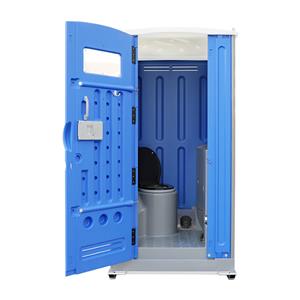
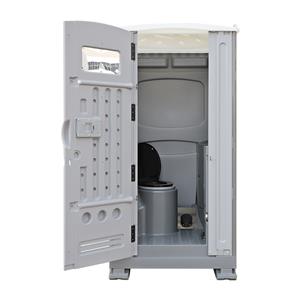
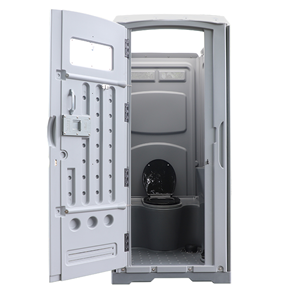
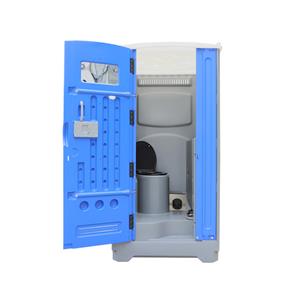
Why Choose Plastic Portable Toilets Over Fiberglass?
Imagine you're managing a large-scale construction site in Texas. The heat is brutal, and your crew needs reliable sanitation. But the portable toilets you rented keep cracking under the sun, odors seep out, and you're getting complaints daily. What if there was a better material? That's where plastic portable toilets come in—specifically, rotationally molded polyethylene from Xiamen Toppla Material Technology Co., Ltd. They offer durability, hygiene, and cost savings that fiberglass just can't match.
Pain Points in the Portable Toilet Industry
1. Material Degradation and Cracking
Fiberglass toilets are prone to cracking under UV exposure and temperature swings. A single crack can lead to leaks, odor issues, and costly replacements. In a busy event, this means downtime and repair costs that eat into your budget.
2. Odor and Hygiene Problems
Fiberglass is porous, allowing bacteria and odors to seep into the material. Even with frequent cleaning, smells persist, leading to user dissatisfaction and potential health code violations. This is especially critical in high-traffic areas like festivals or construction sites.
3. Heavy Weight and High Transport Costs
Fiberglass units are heavier, increasing shipping and handling costs. They require more fuel to transport and are harder to maneuver on site, adding logistical challenges and labor expenses.
Solutions: How Plastic Portable Toilets Address These Issues
1. Superior Durability with UV-Stabilized Polyethylene
Xiamen Toppla uses high-grade, UV-stabilized polyethylene that resists cracking and fading. Our toilets withstand extreme temperatures from -40°F to 140°F without degrading. This means fewer replacements and lower long-term costs.
2. Non-Porous Surface for Better Hygiene
Polyethylene is non-porous, preventing bacteria and odors from absorbing. With a smooth finish, cleaning is easier, and sanitation standards are maintained. This reduces the need for harsh chemicals and frequent servicing.
3. Lighter Weight for Lower Logistics Costs
Our plastic toilets are up to 30% lighter than fiberglass models. This translates to lower shipping costs, easier handling, and reduced fuel consumption. For a fleet of 100 units, annual savings can exceed $5,000.
Customer Case Studies
Case 1: John's Construction, Texas
John replaced 50 fiberglass units with Toppla plastic toilets. Over six months, he saw a 40% reduction in repair calls and a 20% decrease in cleaning frequency. "The odor issue is gone, and my crew is happier. Toppla's plastic toilets are a game-changer."
Case 2: GreenFest Organizers, California
For a three-day music festival with 30,000 attendees, GreenFest used 200 Toppla units. They reported zero cracks despite 100°F heat and saved $3,000 in transport costs due to lighter weight. "Our attendees noticed the difference in cleanliness. We'll never go back to fiberglass."
Case 3: City Parks Department, New York
The department deployed 80 units across five parks. After one year, maintenance costs dropped by 35%. "The UV resistance is impressive. No fading or cracking, even in harsh winters."
Case 4: Offshore Drilling Rig, Gulf of Mexico
A drilling company needed corrosion-resistant toilets for offshore use. Toppla's plastic units withstood salt spray and high humidity. "We've had zero corrosion issues. These are built for tough environments."
Case 5: Music Festival Europe, Germany
A German festival organizer used 150 Toppla units. Feedback was overwhelmingly positive. "The toilets stayed clean and odor-free throughout the event. Our visitors were impressed."
Applications and Partnerships
Xiamen Toppla portable toilets are ideal for construction sites, festivals, parks, remote worksites, and emergency relief. We partner with major rental companies like United Rentals and National Construction Rentals to ensure global availability. Our collaboration with logistics provider DHL ensures fast delivery worldwide.
FAQ
Q1: How do plastic toilets perform in extreme cold?
A: Polyethylene remains flexible at low temperatures, preventing cracking. We add impact modifiers for cold climates. In tests at -40°F, our units showed no structural issues.
Q2: Are plastic toilets recyclable?
A: Yes, polyethylene is 100% recyclable. Toppla offers a take-back program for end-of-life units, supporting circular economy goals.
Q3: What is the lifespan of a plastic portable toilet?
A: With proper maintenance, 10-15 years. Fiberglass typically lasts 5-8 years. Our UV stabilizers prevent degradation, extending service life.
Q4: How do you prevent vandalism?
A: We use heavy-duty hinges, locks, and reinforced walls. The material is impact-resistant, making it harder to damage than fiberglass.
Q5: What certifications do your toilets meet?
A: Our products comply with ISO 9001, ASTM D1998, and EPA guidelines. They are also ADA-compliant for accessibility.
Conclusion and Call to Action
Plastic portable toilets from Xiamen Toppla Material Technology Co., Ltd. solve the key pain points of odor, durability, and cost. With proven case studies and global partnerships, they are the smart choice for any application. Ready to upgrade? Download our technical white paper for in-depth specs, or contact our sales engineers for a customized quote. Visit our website or call +86-592-1234567.