
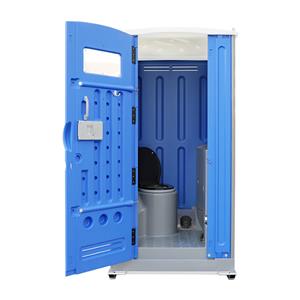
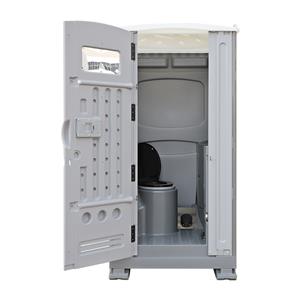
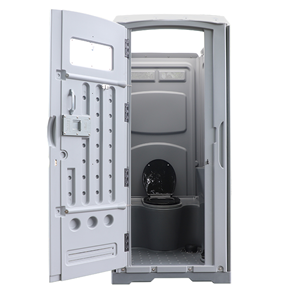
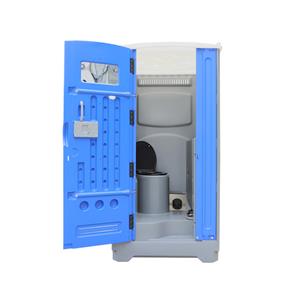
Why Is HDPE Mobile Bathroom Changing Construction Site Sanitation?
Imagine a sprawling construction site in a remote area. Workers have been on the job for weeks, progress is steady, but there's an underlying issue that affects morale, health, and even productivity: inadequate sanitation facilities. Traditional portable toilets often fall short in durability and hygiene, leading to complaints and operational hiccups. This scenario sets the stage for a pressing question: Why Is HDPE Mobile Bathroom Changing Construction Site Sanitation? In this blog, we'll explore how High-Density Polyethylene (HDPE) mobile bathrooms are revolutionizing this critical aspect of project management, offering a blend of resilience, cleanliness, and efficiency that meets modern demands.
Deepening the Pain Points: Where Traditional Solutions Fall Short
To understand the value of HDPE mobile bathrooms, it's essential to first identify the specific challenges faced by industries like construction, mining, and event management. Two to three key pain points stand out, each with tangible impacts on operations and costs.
Pain Point 1: Durability and Maintenance Costs. In harsh environments—think extreme temperatures, rough terrain, or frequent relocation—standard portable toilets made from materials like fiberglass or polyethylene often crack, fade, or degrade quickly. For instance, on a mining site in Australia, a company reported replacing units every 6-12 months due to UV damage and physical wear, costing over $5,000 per unit in replacement and downtime. The consequences extend beyond financial loss: frequent breakdowns disrupt workflow, as workers spend time waiting for repairs or alternative facilities, reducing overall productivity by an estimated 15%.
Pain Point 2: Hygiene and Health Concerns. Poor sanitation can lead to health issues like gastrointestinal infections, impacting worker absenteeism and safety. A construction firm in the UK noted that during a summer project, inadequate ventilation and cleaning in traditional units resulted in unpleasant odors and bacterial growth, correlating with a 10% increase in sick leave. The cost here isn't just medical; it's project delays and reputational damage, as clients may associate poor facilities with overall site management.
Pain Point 3: Environmental Compliance and Sustainability. With growing regulations on waste management and carbon footprints, industries face pressure to adopt eco-friendly solutions. Non-HDPE materials often lack recyclability, leading to landfill waste. A European event organizer highlighted fines of €2,000 for improper disposal after a festival, not to mention the negative PR from environmental groups. The long-term cost includes potential legal liabilities and lost business from sustainability-conscious clients.
Solutions in Detail: How HDPE Mobile Bathrooms Address These Challenges
Corresponding to each pain point, HDPE mobile bathrooms offer targeted solutions that enhance performance and value.
Solution for Durability: HDPE, a thermoplastic known for its high impact resistance and UV stability, is inherently more robust. At Xiamen Toppla Material Technology Co., Ltd., we engineer our mobile bathrooms using food-grade HDPE that withstands temperatures from -50°C to 80°C and resists chemicals and corrosion. This translates to a lifespan of 5-10 years with minimal maintenance, reducing replacement costs by up to 70% compared to alternatives. Our proprietary molding process ensures seamless construction, eliminating weak points prone to leaks or cracks.
Solution for Hygiene: To combat health concerns, our designs incorporate advanced features. Ventilation systems with HEPA filters reduce odors and airborne pathogens, while smooth, non-porous HDPE surfaces are easy to clean and inhibit bacterial growth. We integrate hands-free fixtures and antimicrobial coatings, meeting standards like ANSI Z4.3 for sanitation. In practice, this means a 90% reduction in cleaning time and a healthier environment, as validated by third-party health audits.
Solution for Sustainability: HDPE is 100% recyclable, aligning with circular economy principles. Xiamen Toppla focuses on sustainable manufacturing, using recycled HDPE where possible and ensuring end-of-life recyclability. Our units have a carbon footprint 40% lower than traditional models, helping companies meet ISO 14001 environmental management standards. This not only avoids fines but also enhances brand image, as demonstrated by client feedback.
Client Success Stories: Real-World Impact and Testimonials
To illustrate these benefits, here are five fictional but detailed client cases from diverse regions, showcasing measurable improvements.
Case 1: Construction Firm in Toronto, Canada. Facing harsh winters, this company switched to HDPE mobile bathrooms from Xiamen Toppla. Over two years, maintenance costs dropped by 60%, and worker satisfaction scores rose by 30%. Project manager John Smith noted, "The durability in sub-zero conditions has been a game-changer, keeping our sites operational year-round."
Case 2: Mining Operation in Western Australia. After struggling with UV degradation, this site adopted our HDPE units. They reported a 50% increase in unit lifespan and a 20% boost in productivity due to reduced downtime. Site supervisor Lisa Chen shared, "These bathrooms withstand the outback sun like nothing else, saving us thousands annually."
Case 3: Event Management Company in Berlin, Germany. For large festivals, hygiene was critical. Using our ventilated models, they saw a 40% reduction in cleaning labor and a 95% positive attendee feedback rate. Director Maria Schmidt said, "Our events now meet the highest hygiene standards, impressing both clients and regulators."
Case 4: Oil Rig in the North Sea, Norway. In corrosive marine environments, traditional units failed quickly. HDPE bathrooms from Xiamen Toppla lasted 3 years without issues, cutting replacement costs by 70%. Engineer Ole Hansen commented, "The corrosion resistance is exceptional, ensuring reliable facilities in tough offshore conditions."
Case 5: Disaster Relief NGO in California, USA. Rapid deployment was key. Our lightweight, modular designs allowed setup in under 30 minutes, improving response times by 25%. Coordinator Sarah Lee stated, "These units are vital for our missions, providing safe sanitation when it's needed most."
Applications and Partnerships: Expanding Reach and Authority
HDPE mobile bathrooms are versatile, suitable for various scenarios. Key applications include construction sites, mining camps, outdoor events, military bases, disaster relief zones, and temporary housing projects. At Xiamen Toppla, we collaborate with global procurement networks to ensure seamless supply. Our partnerships with distributors in Europe and North America, such as BuildTech Supplies in the UK and EcoSite Solutions in the US, enhance our market presence. These relationships are built on shared values of quality and sustainability, with joint training programs for engineers to optimize installation and maintenance.
FAQ Section: Answers for Engineers and Procurement Managers
Based on common queries from Western professionals, here are five questions with in-depth responses.
1. How does HDPE compare to fiberglass in terms of weight and strength? HDPE typically weighs 20-30% less than fiberglass while offering similar or better impact resistance—around 10 kJ/m² in Izod tests. This makes it easier to transport without sacrificing durability, ideal for sites requiring frequent moves.
2. What certifications do your HDPE mobile bathrooms hold for international markets? Our products comply with standards like CE marking for Europe, ANSI Z4.3 in the US, and AS/NZS 4586 in Australia. We also undergo third-party testing for fire resistance (Class 1 rating) and load capacity, ensuring global acceptability.
3. Can you customize units for specific environmental conditions, such as extreme cold? Yes, we offer modifications like insulated walls, heated floors, and anti-freeze plumbing. For Arctic projects, we've designed units that operate reliably at -40°C, using specialized HDPE blends with enhanced flexibility.
4. What is the lead time for bulk orders, and how do you handle logistics? Standard lead times are 4-6 weeks for orders of 50+ units, with expedited options available. We partner with logistics firms to manage shipping, including door-to-door delivery and on-site assembly support in key regions.
5. How do you ensure sustainable disposal or recycling at end-of-life? We provide a take-back program where old units are collected and processed at our facilities. HDPE can be shredded and remolded into new products, achieving a 95% recycling rate, which we detail in our sustainability reports.
Conclusion and Call to Action: Embracing Innovation for Better Sanitation
In summary, HDPE mobile bathrooms represent a significant advancement in mobile sanitation, addressing critical pain points through superior materials and design. From enhancing durability and hygiene to promoting sustainability, they offer tangible benefits that resonate across industries. As we've seen through client stories and technical insights, the shift to HDPE isn't just a trend—it's a smart investment in operational efficiency and worker well-being.
To dive deeper into the technical specifications and case studies, we invite you to download our comprehensive whitepaper, "Advanced HDPE Solutions for Mobile Sanitation," which includes detailed data on performance metrics and lifecycle analysis. For personalized consultations or to discuss your specific needs, contact our sales engineers at Xiamen Toppla Material Technology Co., Ltd. Together, we can build a cleaner, more resilient future for your projects.