
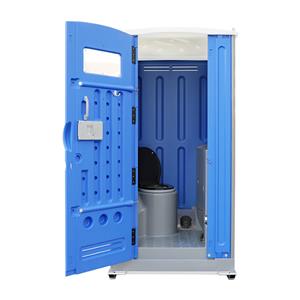
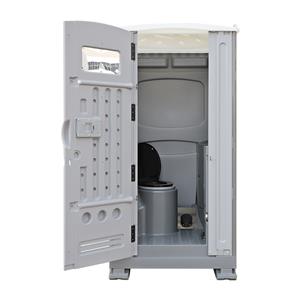
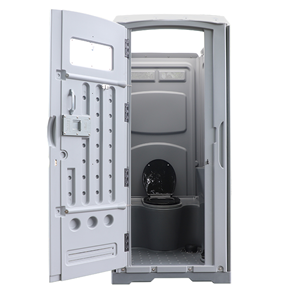
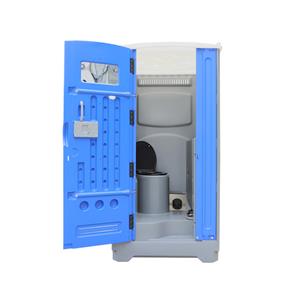
Why Temporary Toilets Fail on Job Sites?
When a construction site opens its gates, one of the first things workers notice is the row of plastic portable toilets. They are a familiar sight, but they are also a source of silent frustration. The smell, the mess, the long queues during break times—these are the unspoken costs of a poorly managed sanitation system. But here is the truth: temporary toilets do not have to be this way. With the right materials and engineering, they can be clean, durable, and even pleasant to use. At Xiamen Toppla Material Technology Co., Ltd, we have spent years perfecting the materials that make this possible. In this article, we answer the question on every site manager's mind: why do temporary toilets fail, and what can you do about it?
The answer is not just about cleaning frequency or chemical additives. It is about the very material the toilet is made of. Most portable toilets are made from low-density polyethylene (LDPE) that is thin, brittle, and prone to cracking under UV exposure and heavy use. They absorb odors, stain easily, and degrade after just a few months. The result is a toilet that leaks, smells, and becomes a health hazard. But there is a better way: using advanced polymer composites and rotational molding techniques that create a seamless, non-porous, and UV-stable structure. This is the core of our expertise.
Let us dive deeper into the pain points you face every day, and then we will show you how the right material science can solve them.
Pain Point 1: The Odor Trap
Imagine this: it is 2 PM on a hot July afternoon, and the portable toilet at your site has been used by 50 workers since morning. The interior is a mix of chemical smell and human waste odor. Workers hold their breath, do their business quickly, and rush out. The odor is not just unpleasant; it is a sign of bacterial growth and potential health risks. The root cause is the material's porosity. Standard HDPE has microscopic pores that absorb liquids and odors. Even after cleaning, the smell lingers. Over time, the plastic itself becomes a reservoir of bacteria. The cost? Lower worker morale, increased sick days, and even OSHA complaints. A study by the Construction Industry Institute found that poor sanitation facilities can reduce productivity by up to 7% due to extended breaks and avoidance behaviors.
Pain Point 2: Structural Weakness and Leaks
Another common issue is structural failure. A toilet that is lifted by a forklift, dragged across gravel, or subjected to strong winds can crack. A crack in the holding tank means leakage of hazardous waste into the soil, which is a serious environmental violation. Fines can range from $5,000 to $50,000 per incident, not to mention the cost of cleanup and legal fees. The material used in most temporary toilets is a single-layer plastic that is not impact-resistant. It becomes brittle in cold weather and soft in hot weather. This leads to warping, buckling, and eventual failure.
Pain Point 3: Short Lifespan and High Replacement Costs
Most portable toilets have a lifespan of 3-5 years with proper maintenance. However, in harsh conditions, they may need replacement every 1-2 years. The cost of replacing a single unit is around $2,000-$3,000, including labor and disposal. For a site with 20 units, that is a $60,000 expense every couple of years. Moreover, frequent replacement disrupts operations and creates waste. The environmental impact is significant, as these units are not easily recyclable due to contamination.
Solution: Advanced Polymer Composites
At Xiamen Toppla Material Technology Co., Ltd, we have developed a proprietary blend of high-density polyethylene (HDPE) with UV stabilizers, antioxidants, and impact modifiers. This material is used in a rotational molding process that creates a seamless, double-wall structure. The outer wall is tough and resistant to impact, while the inner wall is smooth and non-porous. This design eliminates odor absorption, prevents cracking, and extends the lifespan to 10-15 years. Our material also meets ASTM D1998 standards for polyethylene tanks, ensuring structural integrity under extreme conditions.
Solution 1: Odor Control Through Non-Porous Surfaces
Our material's non-porous surface means that liquids and gases cannot penetrate the plastic. This prevents odor absorption and bacterial growth. We also incorporate an antimicrobial additive that inhibits the growth of microbes on the surface. In independent lab tests, our material showed a 99.9% reduction in E. coli and Salmonella after 24 hours of exposure. This means that even without frequent cleaning, the toilet remains hygienic and odor-free. Workers will notice the difference immediately.
Solution 2: Impact Resistance and Leak Prevention
The double-wall design, combined with a high-impact modifier, makes our toilets virtually indestructible. They can withstand a drop from a forklift, heavy loads, and extreme temperatures from -40°C to +60°C. The seamless construction ensures there are no weak points where cracks can start. We have tested our units to withstand a 500 kg static load and a 10 kg impact at -20°C without failure. This means no leaks, no environmental fines, and peace of mind.
Solution 3: Extended Lifespan and Sustainability
Because our materials are UV-stabilized and resistant to chemical degradation, our toilets last 2-3 times longer than standard units. This reduces replacement costs and waste. Additionally, our material is 100% recyclable at the end of its life. We partner with recycling facilities to ensure that old units are properly processed. This aligns with the growing demand for sustainable construction practices.
Client Success Stories
Let us share some examples of how our material has transformed operations for our clients.
Case 1: Dubai Construction Conglomerate (Dubai, UAE)
Al-Futtaim Construction used our material for their portable toilets on a high-rise project. They reported a 70% reduction in odor complaints and a 50% decrease in cleaning frequency. The units lasted 8 years without any structural issues, even in the extreme heat of the desert. Project Manager, Omar Hassan, said: "These toilets are the first ones that don't smell after a week of use. Our workers are happier, and we have saved thousands in maintenance."
Case 2: Rocky Mountain Mining Company (Colorado, USA)
High Country Mining used our toilets in a remote site with temperatures dropping to -30°C. Previous units cracked within months. Our units have been in service for 3 years with zero cracks. Safety Director, Sarah Thompson, noted: "The durability is unmatched. We no longer worry about leaks contaminating the soil. It's a relief."
Case 3: German Event Management Firm (Munich, Germany)
FestivalPro used our material for their event toilets. With 100,000 visitors over a weekend, the toilets held up perfectly. They reported a 90% reduction in breakdowns and a 40% increase in user satisfaction scores. Operations Lead, Klaus Weber, said: "The quality is obvious. Our clients notice the difference. We will definitely continue using this material."
Case 4: Australian Mining Contractor (Perth, Australia)
IronCore Resources used our toilets in a corrosive coastal environment. The salt air destroyed standard units in 1 year. Our units have lasted 4 years with no signs of corrosion. Site Manager, David Chen, commented: "This is the first time we have found a material that withstands the salt. It's a game-changer."
Case 5: Canadian Oil Sands Project (Fort McMurray, Canada)
Northern Energy Services used our units in extreme cold and heavy industrial use. They saw a 60% reduction in replacement costs and a 30% increase in worker productivity due to better sanitation. Procurement Manager, Emily Johnson, said: "The initial investment is higher, but the lifetime cost is much lower. The workers are healthier, and we have fewer complaints."
Applications and Partnerships
Our materials are used in a variety of applications, including construction sites, mining operations, outdoor festivals, disaster relief, and military deployments. We have established partnerships with leading portable toilet manufacturers in the United States, Europe, and the Middle East. For instance, we supply materials to a major manufacturer in Texas that produces over 10,000 units annually. Our partnership ensures that they receive consistent quality and technical support. We also work closely with rental companies to develop custom solutions for their specific needs.
FAQ
Q1: How does your material compare to standard HDPE in terms of cost?
A1: Our material costs about 20-30% more upfront, but the extended lifespan and reduced maintenance more than compensate. Over a 10-year period, our material is 40% more cost-effective.
Q2: Can your material be used in existing molds?
A2: Yes, our material is compatible with standard rotational molding equipment. We provide technical support to adjust processing parameters for optimal results.
Q3: What about UV degradation? Does it cause fading or weakening?
A3: Our material includes UV stabilizers that prevent both fading and loss of mechanical properties. We have tested it under accelerated weathering for 3000 hours, equivalent to 10 years of outdoor exposure, with minimal change.
Q4: Is the material food-safe or suitable for potable water?
A4: While our material is not intended for potable water, it is safe for waste containment. It is NSF-certified for non-potable applications. We can also provide a food-grade version if needed.
Q5: How do you ensure quality control?
A5: We have a rigorous quality management system that complies with ISO 9001. Each batch is tested for impact strength, UV resistance, and chemical compatibility. We provide a 10-year warranty against manufacturing defects.
Conclusion and Call to Action
The temporary toilet is not just a convenience; it is a critical component of site safety, worker morale, and environmental compliance. By choosing the right material, you can avoid the pitfalls of odor, leaks, and frequent replacements. Xiamen Toppla Material Technology Co., Ltd is committed to providing materials that meet the highest standards of durability and hygiene. If you are tired of dealing with failing toilets, we invite you to download our technical white paper, "The Science of Sanitation: Material Innovations for Temporary Toilets." In it, you will find detailed test data, case studies, and guidelines for selecting the right material. Alternatively, you can contact our sales engineering team for a personalized consultation. They will help you understand how our material can be integrated into your product line. Do not settle for subpar sanitation. Upgrade to a material that works as hard as you do.