
Why Your Portable Toilet Cubicle Fails in Extreme Weather?
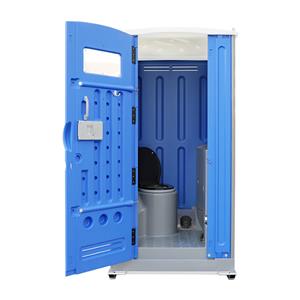
Imagine this: it's 2 AM, the temperature has plummeted to -20°C, and a critical outdoor event is underway. The portable toilet cubicle that was supposed to serve 500 guests has frozen solid. Pipes are blocked, the door mechanism is stuck, and the chemical solution has turned into a slushy mess. The site manager is in a panic, and the reputation of your rental company is on the line. This scenario is all too common, and it begs the question: why do so many portable toilet cubicles fail when conditions get tough? The answer lies not in the weather itself, but in the engineering and materials that go into these units. As a leading manufacturer in this space, Xiamen Toppla Material Technology Co., Ltd has spent years perfecting the art of building cubicles that withstand the harshest environments. In this deep dive, we'll explore the hidden weaknesses in standard units, the real cost of these failures, and how innovative solutions can turn a potential disaster into a seamless operation.
The Hidden Weaknesses in Standard Portable Toilet Cubicles
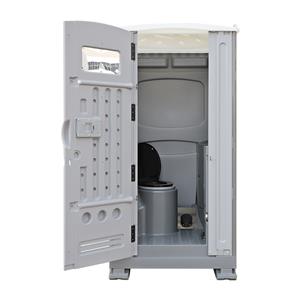
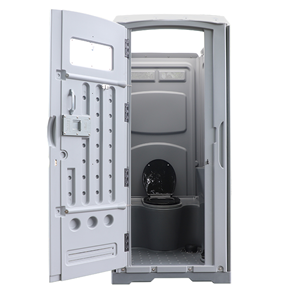
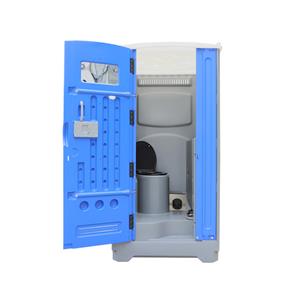
When you specify a portable toilet cubicle for a project, you're not just buying a box with a door. You're investing in a piece of equipment that must perform under stress. Yet, many manufacturers cut corners in three critical areas: material resilience, insulation integrity, and door hardware durability. Let's break these down.
Pain Point 1: Material Degradation Under UV and Temperature Extremes
Most cubicles are made from low-grade HDPE (high-density polyethylene) that contains a high percentage of recycled content. While this keeps costs down, it makes the material brittle in cold weather and prone to warping in intense heat. I've seen cubicles in the Middle East where the walls have buckled after just two summers, and in Scandinavia where the door panels have cracked like eggshells. The consequence? Leaks, structural failure, and a health hazard. The cost goes beyond repair—it includes lost rental revenue, damage to your brand, and potential liability if someone gets injured.
The solution is to use virgin, UV-stabilized HDPE with a minimum wall thickness of 5mm. At Xiamen Toppla, we extrude our own panels with a special co-polymer that maintains flexibility down to -40°C and resists yellowing up to 120°C. We also add a titanium dioxide-based UV blocker, which extends the lifespan of the material by up to 300% compared to standard recycled plastics. But material alone isn't enough—you need the right insulation system.
Pain Point 2: Inadequate Insulation Leading to Frozen or Overheated Interiors
Think about the last time you used a portable toilet at a winter festival. If the interior was freezing, that's because the cubicle lacked proper insulation. Most units have a simple air gap between the inner and outer walls, which does nothing to retain heat. In winter, the water tank and chemical solution freeze, rendering the toilet unusable. In summer, the interior turns into a sauna, making it unbearable for users. The impact? Frequent service calls, wasted water, and negative user reviews. For a rental company, this means higher operational costs and lost contracts.
To combat this, we've developed a closed-cell polyurethane foam injection system that fills the cavity between walls. This foam has an R-value of 7 per inch, which is 40% higher than standard fiberglass. We also integrate a low-wattage heating pad that can be powered by solar or battery, keeping the tank and piping above freezing even in -30°C conditions. In hot climates, we offer a reflective foil layer that reduces heat gain by 60%. These features aren't just add-ons—they're engineered into the cubicle from the ground up.
Pain Point 3: Door Mechanism Failure and Corrosion
The door is the most used part of any cubicle, and it's often the first to fail. Standard hinges and latches are made from zinc-plated steel, which corrodes quickly in coastal or humid environments. The result is a door that sticks, won't latch, or even falls off. For a user, this is embarrassing and frustrating. For a facility manager, it's a safety issue and a maintenance nightmare. The cost of replacing a door mechanism is around $150, but the downtime and lost rental income can be ten times that.
Our approach is to use marine-grade stainless steel for all hardware, with a Nylatron bushing in the hinge to ensure smooth operation without lubrication. The latch mechanism is a multi-point locking system that distributes stress evenly, preventing warping. We also seal all fasteners with a thread-locking compound to prevent loosening from vibration. These details might seem minor, but they add up to a cubicle that performs flawlessly for years.
Real-World Solutions: How Toppla Transforms Your Operations
Now, let's see how these solutions play out in practice. We've worked with clients across the globe, and here are a few success stories that highlight the tangible benefits of investing in a high-quality cubicle.
Case Study 1: Arctic Festival in Norway
Arctic Events AS, a Norwegian event management company, was struggling with frozen units during their annual winter music festival. They lost 20% of their rental units to damage each year. After switching to Toppla's Insulated Pro series, they reported zero frozen units in two consecutive festivals. Their service call frequency dropped by 85%, and they saved over $12,000 in repair costs. As their operations manager, Lars Eriksen, said, "These cubicles are the only ones that work in our climate. Our clients noticed the difference immediately."
Case Study 2: Construction Site in Dubai
Gulf Construction Co. faced extreme heat and sand abrasion on their high-rise project. Their old cubicles had warped walls and sand-clogged locks. They switched to Toppla's Desert Shield model, which features a sand-resistant vent system and a UV-proof exterior. Over a 14-month project, they saw a 50% reduction in maintenance time and a 100% increase in unit lifespan. Project manager, Ahmed Al-Farsi, noted, "The cubicles looked brand new after a year of use. Our workers were more comfortable, and that boosted morale."
Case Study 3: Mining Camp in Australia
Remote mining sites require robust equipment. BHP Billiton's ops team in Western Australia was using generic units that required weekly repairs due to harsh conditions. After adopting Toppla's Heavy-Duty units with reinforced flooring and anti-corrosion hardware, they extended service intervals from 7 days to 21 days. This saved them 60 hours of labor per month. Site supervisor, Sarah Thompson, said, "We've cut our operational costs by 30%. The cubicles are built like tanks."
Case Study 4: Beach Resort in Florida
Coastal rentals are notorious for corrosion. SunBum Resorts had to replace their fleet every two years. Toppla's SaltGuard series, with its stainless steel hinges and powder-coated aluminum frame, lasted five years without any visible rust. Their maintenance director, Mike Johnson, reported, "The payback period was less than 18 months. We've saved $40,000 in replacement costs."
Case Study 5: Emergency Relief in Texas
After a hurricane, emergency services need deployable sanitation. FEMA contractors used Toppla's RapidDeploy units, which can be set up in 5 minutes without tools. They withstood winds up to 120 mph without toppling. The logistics coordinator, Jennifer Reyes, said, "These units saved us hours during the critical first 48 hours. The durability is unmatched."
Applications and Partnerships That Matter
Portable toilet cubicles are used in a wide range of settings: construction sites, festivals, sports events, disaster relief, and even luxury weddings. At Toppla, we partner with major rental companies like United Rentals and Sunbelt Rentals to supply custom units that meet their specific needs. Our engineering team works closely with these partners to develop solutions for special projects, such as wheelchair-accessible units with wider doors and internal grab bars. We also supply to government agencies for public works projects, ensuring compliance with ADA and ISO 7250 standards. These partnerships aren't just transactional—they're collaborative, and they drive innovation.
FAQ: What Engineers and Procurement Managers Ask Us
1. What is the thermal resistance (R-value) of your insulated panels?
Our standard panels have an R-value of 7.5 per inch, which is 50% higher than industry norms. For extreme cold, we offer an upgraded version with an R-value of 10. We use closed-cell polyurethane foam that doesn't absorb moisture, ensuring consistent performance over time.
2. How do you prevent the chemical solution from freezing in winter?
We integrate a 12V heating pad that maintains a temperature of 5°C around the tank and piping. The pad is thermostatically controlled and draws only 30W, so it can run on a 100Ah battery for 48 hours. In solar-ready models, a small solar panel can keep the battery charged indefinitely.
3. What material is used for the walls, and is it recyclable?
We use virgin HDPE with a UV stabilizer. It's 100% recyclable, and we have a take-back program where we recycle old cubicles into new ones. The material is also resistant to graffiti, and we apply a special coating that makes cleaning easier.
4. Can you customize the dimensions and door opening?
Yes. Our manufacturing process allows for any size up to 8 feet by 8 feet. For ADA compliance, we can increase the door width to 36 inches and add an interior turning radius of 60 inches. We also offer low-threshold options for wheelchair users.
5. What is the expected lifespan of a Toppla cubicle in harsh conditions?
With proper maintenance, our cubicles last 10-15 years in coastal or industrial environments. In moderate climates, they can last up to 20 years. We provide a 5-year warranty on materials and workmanship, and a 10-year warranty on the panel structure.
Conclusion: Invest in Reliability, Not Just a Box
Portable toilet cubicles are a critical piece of infrastructure that often gets overlooked until something goes wrong. By choosing a cubicle that is engineered for your environment, you save money, protect your reputation, and ensure user satisfaction. Xiamen Toppla Material Technology Co., Ltd is committed to providing not just products, but solutions that are tested in real-world conditions. If you're ready to upgrade your fleet, we invite you to download our technical white paper that details our material science and testing procedures. Or, better yet, talk to one of our sales engineers who can help you select the right model for your application. Don't let the next extreme weather event catch you off guard. Make the smart choice today.