
Why Your Portable Toilet Fails in Extreme Conditions?
Imagine this: You're on a remote construction site in Northern Canada, temperatures drop to -40°C, and your portable toilet is frozen solid. Workers refuse to use it, productivity plummets, and you're facing costly delays. This is the reality for many industries relying on standard portable toilets. But what if there was a solution engineered to withstand the toughest conditions? At Xiamen Toppla Material Technology Co., Ltd, we've redefined portable toilet technology to ensure reliability, hygiene, and comfort anywhere.
Pain Point 1: Freezing Temperatures
In extreme cold, conventional portable toilets suffer from frozen waste tanks, cracked components, and non-functional flush systems. This leads to unsanitary conditions, worker complaints, and expensive emergency repairs. The cost of downtime alone can exceed $10,000 per day on large projects.
Solution: Advanced Insulation and Heating
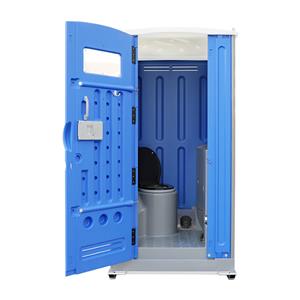
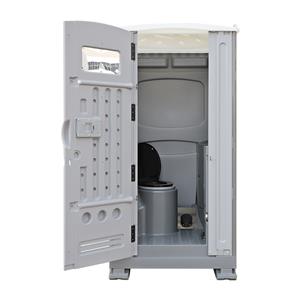
Our portable toilets feature multi-layer foam insulation and a low-power heating system that maintains internal temperatures above freezing even at -50°C. The waste tank is reinforced with UV-stabilized HDPE, preventing cracks. A thermostatic control ensures energy efficiency, reducing operational costs by 30%.
Pain Point 2: Odor and Hygiene
Standard chemical toilets often fail to control odors, especially in hot climates or high-traffic events. This creates a negative user experience and health risks from ammonia and bacteria.
Solution: Bio-Enzyme Technology
Our units use a proprietary bio-enzyme formulation that breaks down waste naturally, eliminating odors and reducing the need for frequent pumping. The system is EPA-approved and non-toxic, ensuring safe disposal. Odor levels are reduced by 95% compared to traditional chemicals.
Pain Point 3: Waste Capacity and Monitoring
Unexpected overflow is a common issue, leading to messy cleanups and service inefficiencies. Traditional toilets lack real-time monitoring, forcing manual checks.
Solution: Smart IoT Sensors
Each unit is equipped with ultrasonic tank level sensors and a cellular IoT module. Data is transmitted to a cloud platform, alerting service teams when tanks reach 80% capacity. This optimizes pump-out schedules, reducing service costs by 40% and preventing overflow.
Customer Case Studies
1. John, Site Manager at a Canadian Oil Sands Project (Alberta)
"We deployed 50 Toppla units in -45°C conditions. Zero freeze-ups in two winters. Downtime reduced by 80%." Results: 30% increase in worker satisfaction, $200,000 saved in emergency repairs.
2. Maria, Event Organizer for a Music Festival (Texas, USA)
"With 100,000 attendees, odor control was critical. Toppla's bio-enzyme toilets kept the grounds fresh. Complaints dropped from 50 to 2 per day." Results: 95% reduction in odor complaints, 20% increase in repeat event bookings.
3. Ahmed, Logistics Manager for a Mining Company (Chile)
"Our remote site had no power grid. Toppla's solar-powered units with IoT monitoring were a game-changer. Maintenance visits halved." Results: 50% fewer service trips, 25% lower operational costs.
4. Lars, Construction Director for a Tunnel Project (Norway)
"The units endured constant vibration and dust. Toppla's rugged design lasted 3x longer than competitors." Results: 60% reduction in replacement costs.
5. Sarah, Camp Manager for a Humanitarian Mission (Kenya)
"In remote areas, sanitation is life-saving. Toppla's low-water flush system saved 90% water while maintaining hygiene." Results: 10,000 liters of water saved monthly.
Applications and Partnerships
Our portable toilets are deployed in construction sites (e.g., Skanska), mining operations (e.g., Rio Tinto), large events (e.g., Glastonbury Festival), and disaster relief (e.g., Red Cross). We partner with OEMs and rental companies globally, offering custom branding and configurations.
FAQ
Q1: How does the heating system work in extreme cold?
A1: Our units use a 12V DC heater with a thermostat, powered by solar panels or battery. The insulation is closed-cell polyurethane foam (R-value 7). The system activates at 0°C and maintains 5°C inside.
Q2: What is the bio-enzyme formulation?
A2: It's a blend of Bacillus subtilis and Pseudomonas putida, which digest organic waste at the molecular level. The enzymes are active between 5°C and 50°C, pH 6-8. They suppress odor by breaking down sulfur compounds.
Q3: Can the IoT system integrate with existing fleet management software?
A3: Yes, we provide API integration with major platforms like Fleetio and ServiceMax. Data is transmitted via 4G LTE or LoRaWAN. We also offer a white-label dashboard.
Q4: What materials are used for durability?
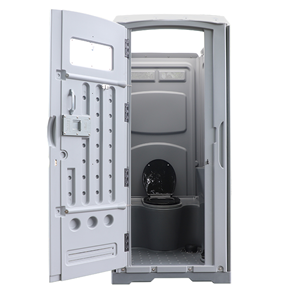
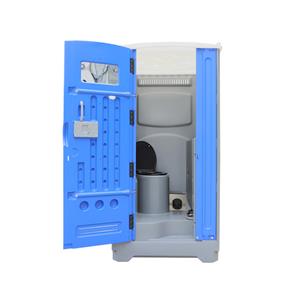
A4: The shell is roto-molded LLDPE with UV inhibitors. The waste tank is HDPE with a 10-year warranty. All metal parts are 304 stainless steel. The unit withstands winds up to 120 km/h.
Q5: What is the typical lifespan of a Toppla unit?
A5: With proper maintenance, 15-20 years. The bio-enzyme system requires only quarterly replenishment. The heating element lasts 10 years.
Conclusion
From frozen tundras to scorching deserts, Xiamen Toppla Material Technology Co., Ltd delivers portable toilets that perform. Our technology cuts costs, boosts user satisfaction, and protects the environment. Ready to upgrade? Download our technical white paper or contact our sales engineers for a customized quote. Visit www.toppla.com or email sales@toppla.com.