
The HDPE Technology Behind Truly Accessible Mobile Sanitation
What Is a Wheelchair Portable Toilet?
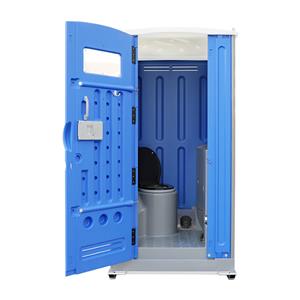
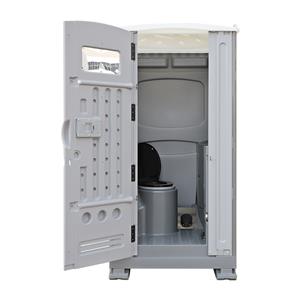
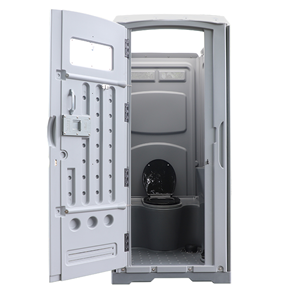
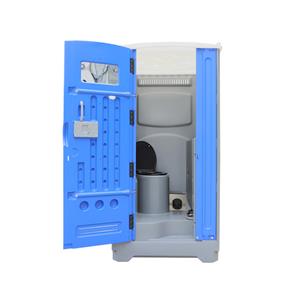
A wheelchair portable toilet is a mobile sanitation unit designed so wheelchair users and people with reduced mobility can enter, maneuver, and transfer safely with minimal assistance. Compared with standard mobile toilets, these units feature a larger footprint, low or ramped thresholds, reinforced grab bars, accessibility‑oriented seat height, and outward‑opening wide doors.
In practice, this turns the unit into a multi‑user solution: seniors, parents with children, and workers in bulky PPE all benefit from the extra space and stability, making each Wheelchair Portable Toilet a high‑value component in any mixed fleet.
From Basic Box to “Smart” HDPE System
How “Smart” Design Changes the Category
User complaints on platforms like Reddit and Quora consistently highlight four issues: cramped interiors, poor cleanliness, instability, and difficult access. A modern Wheelchair Portable Toilet addresses these with engineering rather than gimmicks:
Spatial design: Internal layout supports a wheelchair turning radius while preserving an efficient outside footprint for transport and placement.
Structural stability: Wall and base geometry, combined with appropriate unit weight, keep the outdoor mobile toilet stable in wind and on uneven ground.
Serviceability: Wide doors, smooth interior surfaces, and logical tank layout shorten cleaning and servicing cycles.
Instead of being a simple plastic cabin, the product functions as a controlled, predictable system tailored to B2B operational realities.
Why HDPE Is the Core Advantage
High‑density polyethylene (HDPE) is now the dominant material for leading Hdpe Disabled Portable Toilets. Its advantages include:
Impact and abrasion resistance during loading, unloading, and frequent relocation.
UV stability that resists fading and embrittlement over years of outdoor exposure.
Non‑porous surfaces that clean quickly and help control odor and staining inside the mobile toilet.
For importers, wholesalers, and OEM customers, this translates directly into lower breakage, fewer cosmetic failures, and longer depreciation periods across the Wheelchair Portable Toilet fleet.
Key Application Scenarios
Large Events and Festivals
Event organizers prioritize guest perception and social media reputation as much as raw capacity. For them, wheelchair portable toilets—especially flush or recycle variants—serve as:
High‑visibility proof of inclusivity and regulatory awareness.
Premium portable toilet for events zones (VIP, family, hospitality) where extra space and cleanliness are expected.
Bundling accessible units alongside standard outdoor mobile toilet banks helps rental companies upsell “inclusive packages” and secure longer‑term contracts.
Construction, Mining, and Industry
On work sites, the priority shifts to robustness and predictable servicing. A non‑flush Wheelchair Portable Toilet with a large waste tank and solid HDPE shell offers:
Durability against bumps from machinery, dust, and temperature fluctuation.
Adequate capacity between pump‑outs, even on high‑headcount projects.
Because the units also suit workers with limited mobility, safety and HR teams increasingly view them as standard rather than optional equipment.
Municipal, Parks, and Long‑Term Installations
Municipalities and park operators need mobile toilet solutions that behave almost like small permanent buildings but retain relocation flexibility. HDPE Disabled Portable Toilets meet this need with:
Anti‑UV, weather‑resistant enclosures for year‑round exposure.
Wide doors, lighting options, and clear interior layouts that feel safe and usable in public spaces.
For OEM brands, this segment is ideal for tailored color schemes and logo integration while keeping the underlying structure standardized.
Pain Points B2B Buyers Must Solve
Regulatory Risk and “Fake” Accessibility
One common mistake is purchasing oversized standard units and marketing them as accessible without validating turning space, grab bar positioning, or door width. This can expose organizers and contractors to complaints, penalties, or tender failures.
A compliant Wheelchair Portable Toilet is designed from the floor plan up for wheelchair use; dimensions, thresholds, and interfaces are not afterthoughts.
Lifecycle Cost and Asset Protection
Price‑only decisions often produce fleets that crack, fade, or loosen at hinges within a few seasons. Focusing on HDPE grade, wall structure, and door hardware quality reduces:
For B2B buyers, the key metric is cost per serviceable year, not just purchase price per mobile toilet.
Hygiene and Brand Perception
End users rarely distinguish between brands—but they do remember cleanliness and smell. Wheelchair Portable Toilets with smooth HDPE interior, efficient ventilation, and generous tank capacity help operators:
This is especially critical for high‑profile events where portable toilet for events performance feeds directly into overall satisfaction scores.
Handling, Transport, and Site Setup
Logistics teams focus on how quickly and safely units can be moved, placed, and serviced. Features that reduce friction include:
Integrated lifting points on the roof for crane or forklift handling.
Footprints compatible with trucks and site layouts used for standard units.
These details protect assets and cut labor time in both urban events and remote industrial deployments.
Selection Essentials for B2B Buyers
Structural Dimensions and Accessibility
When assessing Wheelchair Portable Toilets, ask for technical drawings and confirm:
Internal turning space sufficient for wheelchair maneuvering.
Door opening wide and tall enough for wheelchair entry, including powered models.
Seat height optimized for transfers, with grab bars in reachable positions.
If any of these values are missing or vague, the product is unlikely to meet true accessibility expectations.
Material and Construction
Key material questions for Hdpe Disabled Portable Toilets include:
Are walls single‑skin or double‑skin, and how are stress points reinforced?
How are doors, hinges, and frames anchored into the structure?
Clear, detailed answers signal a manufacturer that treats the Wheelchair Portable Toilet as an engineered product, not just a plastic shell.
Sanitation System: Non‑Flush, Flush, Recycle
Different projects require different waste‑handling strategies:
Non‑flush: Lowest complexity; ideal for remote construction and temporary works with limited water.
Flush: Better user experience; suited to premium portable toilet for events or corporate venues.
Recycle: Reuses grey water to reduce consumption, attractive in sustainability‑driven tenders.
Maintaining all three options in your catalog lets you serve budget, mid‑range, and premium clients without redesigning the underlying mobile toilet body.
User‑Facing Details and Accessories
Seemingly small details strongly influence user ratings and repeat business:
B2B buyers can standardize basic packages and reserve some features—like solar lights—for higher‑margin SKUs.
Parameter Suggestions by Use Case
Event Rental Fleets
For event‑focused portfolios:
Emphasize flush or recycle Wheelchair Portable Toilets for hospitality and VIP zones.
Include hygiene and lighting accessories as default to minimize negative feedback.
Offer “accessibility modules” that combine one accessible unit with a set number of standard outdoor mobile toilets.
This packaging strategy scales well for importers and distributors selling into rental companies at different fleet sizes.
Construction and Industrial Projects
For these buyers:
Prioritize rugged non‑flush Hdpe Disabled Portable Toilets with large waste tanks.
Pair accessible units with standard models to meet both compliance and cost targets.
Here, the Wheelchair Portable Toilet becomes a flexible asset that can rotate across projects without special handling rules.
Municipal and Public Sector
For long‑term public deployments:
Balance non‑flush and recycle variants based on water availability and environmental regulations.
Focus on anti‑vandal features, secure locks, and long‑life HDPE.
Align colors and branding with city or park identity to encourage correct use and easier recognition.
OEM customers can build dedicated public‑sector lines using the same base mobile toilet chassis with different branding packages.
Typical Mistakes to Avoid
Assuming “bigger equals accessible” without checking internal turning space, doorway size, and grab bar layout.
Selecting unknown plastics to save cost, then facing early cracking, fading, and odor retention.
Ignoring how units will be lifted, stacked, and moved between sites.
Under‑specifying accessories for portable toilet for events, leading to perception gaps despite solid structures.
Stocking only one configuration (for example, all non‑flush) and missing higher‑margin premium or eco segments.
Short Consumer‑Style Q&A You Can Reuse in Marketing
These concise answers can be used in your product pages, brochures, or social content.
Q: Do wheelchair portable toilets benefit non‑disabled users?
A: Yes. The extra space, grab bars, and wider door make them more comfortable for seniors, families, and workers in bulky clothing.Q: Why is HDPE preferred for disabled portable toilets?
A: HDPE offers superior impact resistance, UV stability, and easy cleaning, which together extend service life and reduce maintenance costs.Q: When should I choose a flush or recycle model?
A: Use flush or recycle systems for premium events and image‑sensitive sites where a more “indoor‑like” experience justifies higher rental or sale prices.Q: Can accessible units be used in off‑grid locations?
A: Non‑flush Wheelchair Portable Toilets with large tanks work well off‑grid and only require periodic pump‑out, not a water connection.Q: How many accessible units are usually enough?
A: As a rule, include at least one Wheelchair Portable Toilet for each block of standard units, adding more for large or long‑duration events.
FAQs for B2B Buyers
FAQ 1: What lifetime can I expect from HDPE Disabled Portable Toilets?
With quality HDPE, UV stabilizers, and correct servicing, many fleets keep units in operation for close to a decade or longer, even under intensive outdoor use.
FAQ 2: Can I customize design for my brand or OEM clients?
Yes. Color, logo placement, and accessory configurations can be tailored while retaining a common structure, simplifying spare parts and training.
FAQ 3: How do I size waste tank capacity to my projects?
For high‑traffic events and busy sites, choose large‑volume tanks and calculate expected users per day; oversizing slightly is safer than risking mid‑event service issues.
FAQ 4: Are wheelchair units harder to move than standard toilets?
They are larger, but integrated lifting points and balanced footprints allow efficient handling with standard equipment when specified correctly.
FAQ 5: What makes accessible models a good business case, not just a requirement?
They unlock premium segments, help win tenders that require inclusive facilities, and improve fleet utilization because they are suitable for almost any user group.
Conclusion
For importers, wholesalers, brand owners, and OEM customers, Wheelchair Portable Toilets are no longer niche products; they are strategic assets that combine accessibility, durability, and strong return on investment. Choosing HDPE Disabled Portable Toilets with well‑designed structures, appropriate sanitation systems, and carefully selected accessories creates reliable outdoor mobile toilet fleets that perform in events, industry, and public spaces alike. By avoiding common mistakes and building a balanced portfolio of non‑flush, flush, and recycle mobile toilet models, B2B buyers can transform accessible sanitation into a visible competitive advantage and a stable revenue source.