
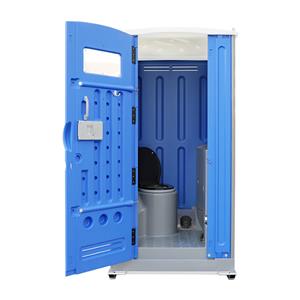
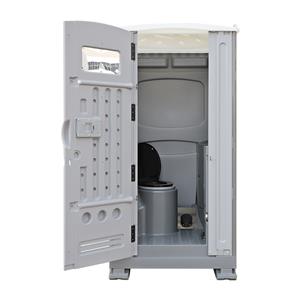
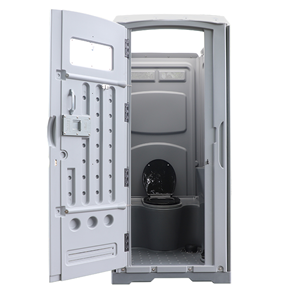
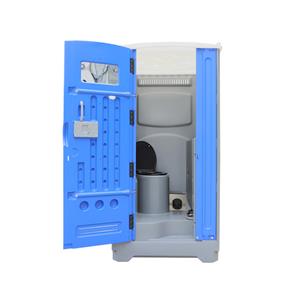
How a Premium Portable Squat Toilet with Hand-Sink Delivers Superior Hygiene and Mobility
In today’s world of mobile work-sites, festivals, disaster relief zones and remote camps, hygiene and flexibility go hand-in-hand. Enter the Portable Squat Toilet – a self-contained, transport-ready sanitation unit that combines compact design with high performance.
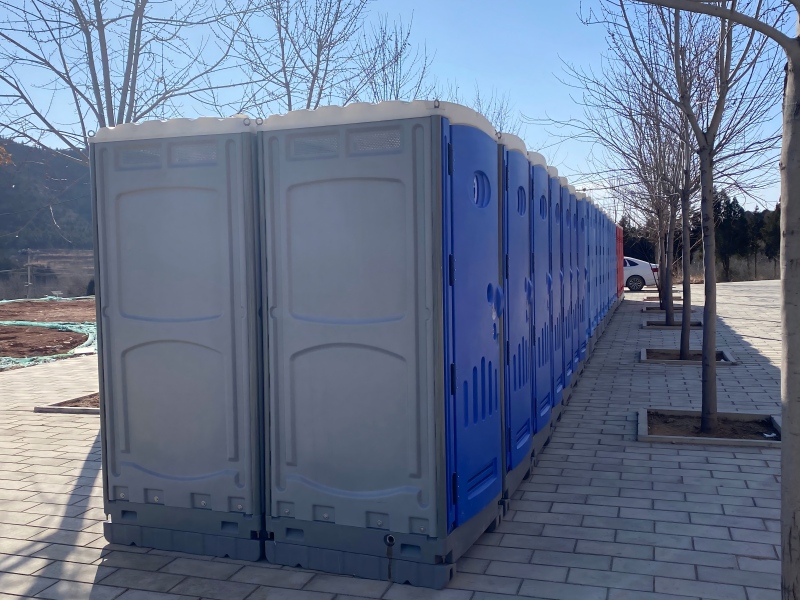
When you add the innovation of an integrated hand-sink, the unit steps up from simply “portable” to genuinely “professional” mobile facility. Throughout this article, we’ll explore what defines a modern Hand Sink Squat Toilet, why a Mobile Portaloo of this type matters, and how you as a consumer, site manager or event organiser can evaluate and select the right product.
What is a Portable Squat Toilet?
Put simply, a Portable Squat Toilet is a sanitation cabin that doesn’t rely on fixed plumbing or a permanent building structure. Instead, it brings together a squat-style pan (rather than a seated bowl), waste storage, flush and sometimes hand-wash system into a single unit that can be deployed and relocated as needed. The term Mobile Portaloo often covers portable seated toilets, but when you see “mobile squat toilet” or “hand sink squat toilet”, you’re looking at a version engineered for hygiene, mobility and minimal infrastructure.
What makes the “squat” element significant? From a usage perspective, the squat pan offers contact-free operation (no toilet seat to touch), faster evacuation, and compatible performance in high-traffic or rugged environments. Meanwhile, the addition of a built-in hand-sink elevates hygiene, enabling users to wash hands without needing a fully separate plumbing line. Many modern units route the sink water into the flush tank, creating an efficient reuse loop. For example, one manufacturer’s model supports three tanks (hand-wash, flush-water, waste) in one compact unit.
In short: A Portable Squat Toilet isn’t just a “portable loo” — it’s a mobile sanitation solution built with precision, hygiene-first design and serviceability in mind.
Key Advantages of the Portable Squat Toilet / Mobile Portaloo
From a user’s or buyer’s viewpoint, what makes this category stand out? Here are the core advantages — then we’ll drill into the technical details which substantiate each point.
Mobility and Deployment Flexibility
When installing sanitation in temporary or changing environments — such as construction sites, film sets, outdoor events — you need units that can be moved, positioned, and re-serviced with minimal fuss. A portable squat toilet ticks that box. Because it is self-contained, you avoid major plumbing works, long-term site commitments or dependency on fixed infrastructure.
Hygiene Enhancement
In many portable toilets, surfaces, touch-points and maintenance are weak links. With a squat pan design you reduce the number of high-touch surfaces (no toilet seat to repeatedly clean). Add a hand-sink built into the cabin and you raise hygiene further — cutting the gap between “external portable facility” and “near indoor quality”. Source manufacturers describe units with HDPE construction, anti-slip floors and recirculating flush systems as more hygienic and durable.
Space and Logistical Efficiency
A well-engineered portable squat toilet uses compact dimensions yet holds significant waste and flush capacity. Some models listed show about 1.1 × 1.1 × 2.3 m footprint and a waste tank of 200 L capacity in rotomoulded HDPE shell. The smaller footprint and light weight aid logistics — fewer resources required to transport, install and maintain.
Infrastructure Independence
Many remote or temporary sites struggle with solid water supply or sewer connections. A top-tier mobile squat toilet addresses this by integrating flush tanks, waste tanks and sometimes water recycling systems (e.g., sink-water feeding into flush). One spec sheet explains: “water after washing hands can be stored in the flush tank… reduces sewage discharge greatly”. This means you require minimal external plumbing, which lowers setup cost and improves siting flexibility.
Long-Term Value & Servicing
Technical materials matter. A cabin built with UV-resistant HDPE, rotomoulded for seamless structure, offers resilience against outdoor conditions, impact and wear. For instance, the “Tufway Eastern” model claims a life expectancy of 10 years or more. That kind of durability reduces replacement frequency, lowers total cost of ownership and improves ROI for site operators.
Technical Features That Elevate Quality
To back up the claims above, let’s look at the key technical features, what to test or check, and how they reflect professional-grade design. This is where credibility, authority and experience come into play.
1. Shell Material & Structural Integrity
Seek cabins manufactured from high-density polyethylene (HDPE) with UV-stabilisation and rotomoulding. These give you a seamless shell, fewer joints, less chance of leaks or structural failure. A portable squat toilet listing emphasises “rotomoulding technology and superior HDPE quality”.
Roof and base structure: Some models use double-skin roof or reinforced base to resist impacts, shifting loads or crane lifts. This matters in mobile transport or site environments with rough handling.
2. Three-Tank System & Water Management
A robust model integrates three tanks: a flush tank, a waste tank and a hand-wash sink tank. For example, “water after washing hands can be stored in the flush tank. It realises water recycling use and reduces the sewage discharge greatly.”
Tank sizing: For high-use environments you want generous capacity (e.g., 200 L waste in some models).
Service access: Make sure the unit has access points for emptying tanks, cleaning, servicing fittings, and it is engineered so that the operator doesn’t struggle under real-world conditions.
3. Ergonomics & User Experience
The squat pan must be designed with stable foot placements, adequate floor space and anti-slip surfaces. A listing for a squat-style cabin emphasises “anti-slip floor in polyethylene” and “ventilation pipe shaped to maximise internal space”.
Hand-wash sink position: The sink needs to be within easy reach, height-appropriate and well-drained. Integration of sink into the cabin without compromising space is a sign of good design.
Ventilation: Odour control is vital. Units that promote continuous air-flow, separate venting for urinal/drains, and quality floor drainage assist comfort and cleanliness.
4. Logistics & Installation Considerations
Weight and footprint: A lighter weight cabin (~85 kg or less) means easier transport and position by manually or with basic lift gear. One spec: “WEIGHT: 85 KG. SIZE: 1000 × 1000 × 2450 MM.”
Setup time: A product description might mention “2 people can finish one unit within 30 minutes” (indicating efficient installation design).
Mobility features: Look for tie-down points, forklift slots or crane hooks, and optional modules for movement.
Maintenance access: The design should make it safe and efficient to service the tanks, change filters/pumps, clean surfaces, and empty waste without risk.
5. Durability & Maintenance
UV-resistant exterior to maintain colour and structural integrity after prolonged sun exposure.
Warranty terms: Good products will list multi-year warranty for major parts. For example, 6-year warranty on main parts is referenced in a model spec.
Spare parts availability: For real-world deployment you want a product from a manufacturer with global support, local service network or at least accessible parts.
Questions You May Have (and Straightforward Answers)
Below are common questions you or a site-manager might ask when considering a portable squat toilet — answered succinctly.
Q: Is a squat-style toilet comfortable for all users?
A: While squat pan designs may feel unfamiliar to some users, modern units account for that by providing stable foot platforms and adequate space. With proper design, user comfort is very good and the hygiene gains are worth it.
Q: Does having a hand-sink built in complicate installation or maintenance?
A: Not necessarily. In a well-engineered unit, the hand-sink is part of the integrated system: sink water flows into flush tank, reducing waste water discharge and simplifying setup. It adds a layer of hygiene with minimal extra servicing.
Q: Can I deploy this where plumbing is almost non-existent?
A: Yes. Many models are designed exactly for off-grid or minimal-infrastructure sites. Integrated tanks for flush water and waste mean you only need periodic emptying and water replenishment — no permanent sewer hookup required.
Q: What routine servicing is required?
A: Key tasks: emptying the waste tank, replenishing flush water or sink water (if applicable), checking seals and connections, cleaning interior surfaces, ensuring venting and pump systems (if used) are functioning. With high-quality construction, these tasks remain manageable and infrequent.
Q: How do I evaluate if a product is genuinely “professional grade”?
A: Check for: HDPE rotomoulded shell, UV resistance, three-tank system, good ergonomics (anti-slip floor, foot platforms), service access doors, clear tank capacities, weight and transport specs, spare-parts access, and warranty terms.
Why This Product (from an Authoritative Operator Perspective)
As an operator deeply involved in mobile sanitation solutions, we view the Portable Squat Toilet, especially ones with integrated hand-sink and mobile portaloo-class engineering, as a strategic asset — not just a “portable solution”. When you invest in a product that offers the features detailed above, you gain:
Reduced maintenance downtime: fewer disruptions mean fewer operational headaches and improved user satisfaction.
Better user hygiene: which reflects well on your organisation or event, boosts user trust and reduces complaints.
Scalable deployment: units that can be moved from site to site or reused across projects deliver better ROI.
Lower lifecycle cost: because robust materials and service-friendly design reduce hidden costs.
Professional image: when you deploy high-quality sanitation rather than standard budget options, you signal professionalism and attention to detail.
In our experience, clients who went for “just a cheap portable toilet” ended up with more service calls, frequent replacements, weaker user feedback and higher costs overall. By contrast, those who invested in a premium mobile squat toilet with hand-sink integration have seen fewer issues, smoother servicing and more satisfied users.
Use Cases & Real-World Applications
Here are scenarios where you’ll see the most value from choosing a portable squat toilet designed to high specifications:
Construction Zones: large building sites, infrastructure works, mining camps — you need durable cabins, minimal plumbing, ease of relocation.
Outdoor Events & Festivals: high traffic, need for hygiene and decent user experience; users expect more than bare-minimum sanitation.
Remote Camps / Disaster Relief: when sewer and water lines are unavailable, you need self-contained solutions that can function reliably.
Temporary Public Installations: site upgrade works, parks, schools undergoing renovation — short-term but high-expectation deployments.
Film Sets / Remote Site Filming: mobility, quick setup, reliable hygiene and flexibility dominate.
In each case, the benefits of integrated design, lower servicing overhead and higher user satisfaction translate into tangible operational savings and smoother logistics.
SEO Keywords & Integration Notes
Throughout this article we have intentionally integrated the following keywords in natural, reader-friendly ways:
Portable Squat Toilet
Hand Sink Squat Toilet
Mobile Portaloo
mobile squat toilet
These terms appear in headings, in body text and in the conclusion, creating good topical relevance for search engines while preserving readability.
Conclusion
In sum, choosing a portable squat toilet outfitted with a hand-sink, and positioned as a mobile portaloo solution, offers more than just a sanitation stopgap. It gives you a flexible, hygiene-centric, logistics-friendly sanitation asset built for modern demands. The combination of smart materials, water-tank integration, mobile deployment and ergonomic design means you’re not just buying a toilet — you’re implementing a professional sanitation system.
If you are spec’ing units for an upcoming event, project site or remote install, take the time to verify the things we’ve covered: HDPE construction, tank specs, service access, weight/size/transport considerations, and user-centric features. A strong product will support your operations, reduce hassle and reflect well on your organisation.
Thank you for reading. If you’d like us to review specific models, deployment planning or maintenance scheduling, we’re here to help.