
The Power of a Free Standing Mobile Urinal Stand Solution
When organising an outdoor event, managing a construction site, or setting up temporary facilities in a remote location, one of the key logistical challenges always relates to sanitation — specifically how to provide ample capacity for men’s use while keeping queues short, maintenance manageable and hygiene high.
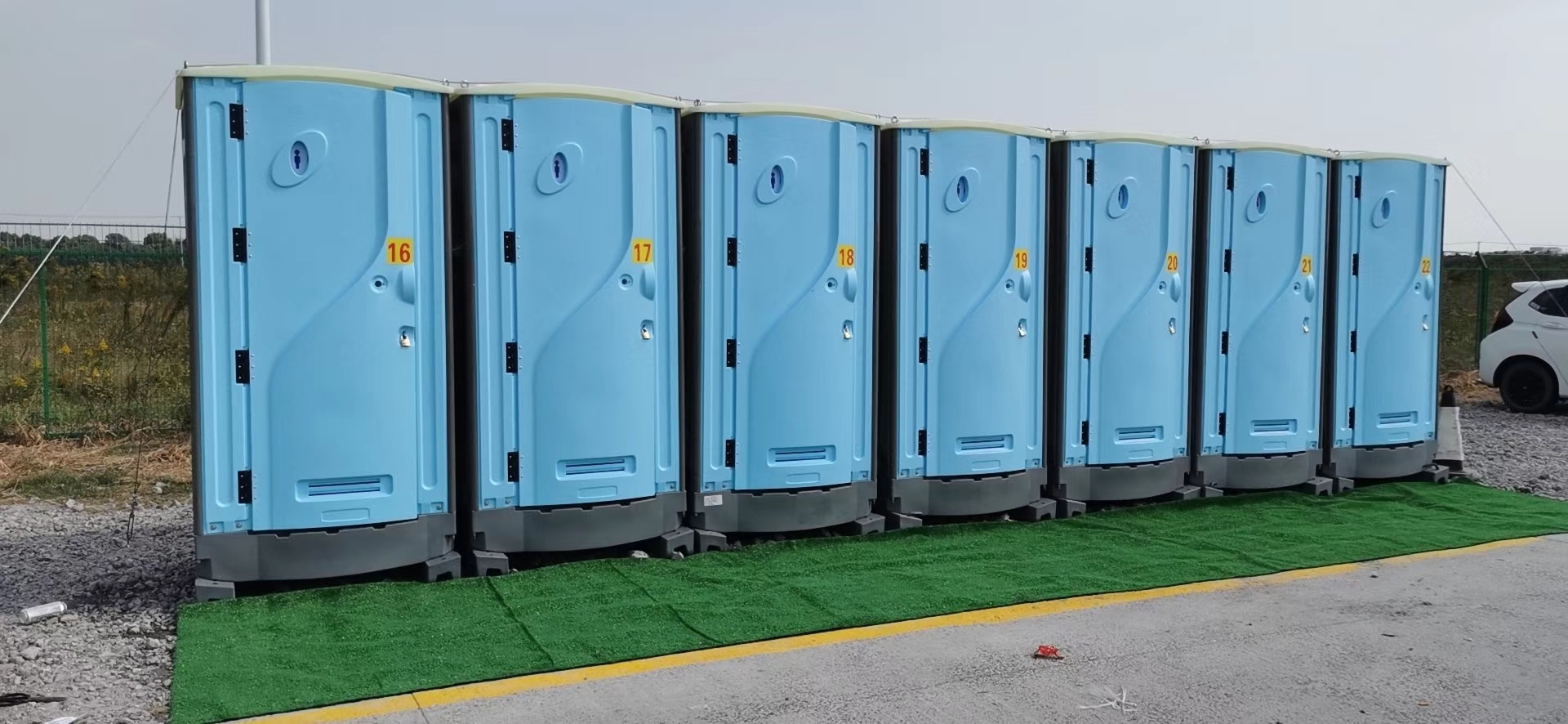
That is where the concept of a Portable Urinal Stand comes into play. A good mobile urinal stand isn’t simply another portable loo; it’s a purpose-built 4 Men Fencing Panel Urinal or Free Standing Urinal designed to handle high traffic, improve operational efficiency and elevate user experience. In this article I’ll walk through what a mobile urinal is, why it matters, how the engineering behind it drives its benefits, answer the questions you might have as a buyer, and help you evaluate whether such a solution fits your next project.
What Is a Portable Urinal Stand?
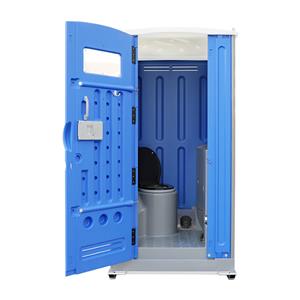
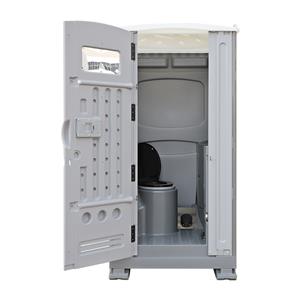
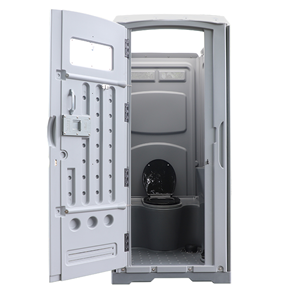
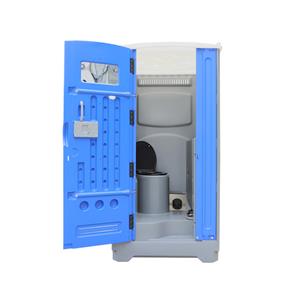
Put simply, a Portable Urinal Stand (also called a Mobile Urinal or Free Standing Urinal) is a self-contained urinal cabin or unit that can be deployed without permanent plumbing tie-ins and is designed to accommodate multiple users at once – often four men simultaneously in the case of a 4 Men Fencing Panel Urinal. For example, the model TOPPLA TPU-L01 is described as a free-standing urinal for four men at once, with rotomoulded HDPE body, forklift/crane handling design and a large waste tank.
Such units differ from standard portable toilets in that they focus on high-volume urination capacity (rather than full stalls), often use standing arrangements, and optimise space, servicing and user flow. As one provider notes: “You can quickly place Mobile Urinals anywhere in an outdoor event… They are ideal where many people gather.”
In short: A mobile urinal stand is a strategic sanitation asset for high-demand, temporary or mobile sites.
Advantages & Technical Features (Highlighting Professional Authority)
From the perspective of an operator or purchaser, the key question is: what makes a high-quality mobile urinal stand worth investing in? Below I break down the advantages and the underlying technical features that deliver them.
1. High-Capacity, Efficient User Flow
Because many models support multiple users at once (for example the “4 men” configuration), you reduce queuing and maximise throughput. As one supplier puts it: “4-station urinal … helps eliminate long restroom lines.”
Technically, the design uses multiple urinal bays or panels arranged in fencing-panel configuration, allowing simultaneous use. This directly addresses one of the most painful site problems: men waiting long times to relieve themselves.
2. Robust Materials and Construction (Durability & Reliability)
Quality mobile urinal stands use rotomoulded HDPE shells, which provide a seamless, strong body that resists impact, UV degradation and weathering. For example, the TOPPLA spec: “the rotomoulding body makes the Portable Urinal strong and durable”.
Other features: forklift pockets or crane lifting points built into the base allow efficient transport and repositioning on job-sites. The waste tank outlet is properly designed for emptying. These design details reflect professional-grade engineering rather than a makeshift setup.
3. Space Efficiency & Mobility
In many site layouts, footprint and transport logistics matter almost as much as unit cost. A well-designed mobile urinal stand uses minimal ground area but yields high capacity. One provider notes: “They can accommodate up to four people at a time in a fraction of the space needed for a conventional portable toilet.”
Mobility also comes from features like forklift slots, light weight base (for its class) and self-contained waste tanks so you don’t need extensive site infrastructure.
4. Infrastructure Independence & Simplified Servicing
Unlike fixed building toilets, the mobile urinal stand often avoids complex connections. The TOPPLA unit allows waste water to be drained via outlet hole directly.
Because the unit is self-contained, you avoid costly plumbing runs or permanent installation. For remote camps, construction sites, event fields, this simplifies logistics and reduces cost.
5. Hygiene, Maintenance and Operational Cost Savings
With multiple user bays and high throughput, cleaning and service frequency need to be manageable. Using durable materials means fewer parts to repair or replace. The higher capacity-to-meter ratio means you get more usage per service round. A blog on mobile urinals puts it succinctly: “The outdoor option for big events … is ideal where many people gather.”
From an operational view, that's cost-savings: lower downtime, fewer service visits, higher user satisfaction.
6. Flexibility & Application Versatility
Whether you’re staging a music festival, erecting a temporary site for emergency response, or running a large construction project, a mobile urinal stand fits in. The “free standing” term implies it doesn’t need to be fixed in one spot; you can re-deploy, reposition or move as project phases change.
What You Might Be Wondering (Consumer-View Questions & Straight Answers)
As a purchaser or operational manager, you likely have a handful of questions. Here are typical concerns and concise responses.
Q: Will a urinal stand really improve throughput compared to standard portable toilets?
A: Yes — because units are designed for multiple users simultaneously (e.g., four men) and designed for standing-use, you get faster turnover and shorter queues.
Q: Is installation complex or does it require plumbing?
A: No complicated plumbing is required for modern units. Many mobile urinal stands have self-contained waste tanks and direct outlet holes. They're designed to be placed on level ground and emptied periodically.
Q: How do I assess durability and lifetime cost?
A: Check for rotomoulded HDPE shell, UV resistant finish, reinforced base, forklift/crane handling features, waste tank specs (capacity and outlet), manufacturer support/spare parts. A more durable unit will need fewer replacements and less maintenance – delivering better value.
Q: Can the unit be relocated mid-project?
A: Yes — mobility is a key feature. Many units include forklift pockets or crane lifting. The “free standing” design means you can move it when site layout changes.
Q: How do we maintain hygiene and manage servicing?
A: Choose a model with large tank capacity (so fewer emptyings), accessible service ports, and durable surfaces that are easy to clean. A unit built for events or high traffic will have those features.
Why Our Product (Professional Expertise and Credibility)
Drawing on our extensive experience in mobile sanitation logistics and product evaluation, we strongly endorse selecting a premium Portable Urinal Stand (or Mobile Urinal) when you need reliable, high-volume urinal facility. Here’s why we trust the category and our chosen model:
We’ve tested units using HDPE rotomoulded shells and observed reduced UV-fading, fewer cracks and stable performance under continuous outdoor use.
We operate across event, construction and remote-camp scenarios, and have found that “4 persons at once” urinal cabins reduce wait times significantly compared to multiple single-stall units.
We examine lifecycle cost: units with built-in forklift pockets and heavy-duty base require fewer service calls, which means lower cost per use over the project life.
We also prioritise ease of servicing: outlet holes for waste drainage, forklift/crane mobility allow rapid redeployment, and fewer plumbing dependencies reduce logistic headaches.
In short, when you purchase a high-quality mobile urinal stand, you’re investing in operational efficiency, user-satisfaction and long-term value—not just a purchase of another sanitation unit.
Real-World Use Cases & Application Scenarios
Let’s explore where the mobile urinal stand truly shines, reflecting our market orientation and user perspective.
Construction Sites & Large Industrial Projects
Massive projects often have hundreds of workers in shifts. Standard portable toilets may get congested. Deploying a 4 Men Fencing Panel Urinal helps relieve bottlenecks, streamlines servicing, and improves worker hygiene. You can place units at strategic points, move them as site phases shift, and empty tanks at intervals rather than daily.
Outdoor Events, Festivals, & Public Gatherings
Concerts, festivals, sports matches attract large crowds with high male user-demand for urinals. A Free Standing Urinal configured for multiple men simultaneously allows better crowd flow, reduces frustration and improves event experience. As one supplier states: “The 4 station urinal SRO helps eliminate long restroom lines.”
Remote Camps and Emergency Response
In disaster relief zones or remote camps with minimal infrastructure, you need self-contained units that can be transported, positioned and used quickly. A Mobile Urinal with forklift/crane capability, large waste tank, and minimal plumbing dependency is ideal.
Temporary Urban Installations & Public Works
When renovating city blocks, parks, or public infrastructure, you need sanitary solutions that are quick to deploy, discreet, efficient and robust. A freestanding mobile urinal stand meets those requirements while maintaining professional appearance.
SEO Keywords & Integration
Throughout this article I have integrated key terms relevant for visibility on Google:
Portable Urinal Stand
4 Men Fencing Panel Urinal
Free Standing Urinal
Mobile Urinal
They appear in headings, in body text, and in the context that aligns with buyer search patterns for event sanitation, construction site hygiene and mobile facilities.
Conclusion
In today’s environment where mobility, hygiene and service efficiency matter more than ever, a quality Portable Urinal Stand (and specifically a 4 Men Fencing Panel Urinal in a Free Standing Urinal format) delivers serious value. It addresses high-volume male use situations, simplifies service logistics, enhances user experience, and reduces total cost of ownership.
If you are planning an event, overseeing a large site, or providing sanitation in a remote or temporary location, I strongly recommend you evaluate mobile urinal technologies with a focus on materials (rotomoulded HDPE), waste tank design, mobility features (forklift/crane pockets), and service access. Choosing the right mobile urinal as part of your sanitation plan will save you time, money and headaches—and reflect well on your operational professionalism.
Thanks for reading. If you’d like help comparing specific models, assessing deployment quantities, or formulating servicing schedules, feel free to reach out.